0%

Table of Contents

To be honest, the construction industry’s been buzzing about prefabrication lately. Everyone’s trying to build more off-site, ship it in, and bolt it together. Seems simple, right? Strangely enough, that's where a lot of problems start. You think you’ve designed a perfect system in the office, but then you get to the site, and…well, things rarely go according to plan. It’s always something.

Have you noticed how everyone’s obsessed with lighter materials? Everything has to be "lightweight" and "easy to handle." I encountered this at a factory in Tianjin last time – they were pushing a new composite panel that, on paper, was amazing. But it smelled… funny. Like old plastic and regret. You get used to the smell of materials after a while, the good ones, anyway. Steel smells solid, wood smells… well, like wood. This just smelled wrong.

And it’s not just smell. Feel matters. You pick up a piece of quality steel, you know. It's got weight, a certain cold smoothness. The cheap stuff feels… flimsy. Like it’ll bend if you look at it too hard. Iron wire, particularly, you need the right gauge. Too thin and it won't hold; too thick and it’s a nightmare to work with. It's about finding that sweet spot, and frankly, a lot of designers have no idea what that feels like in their hands.
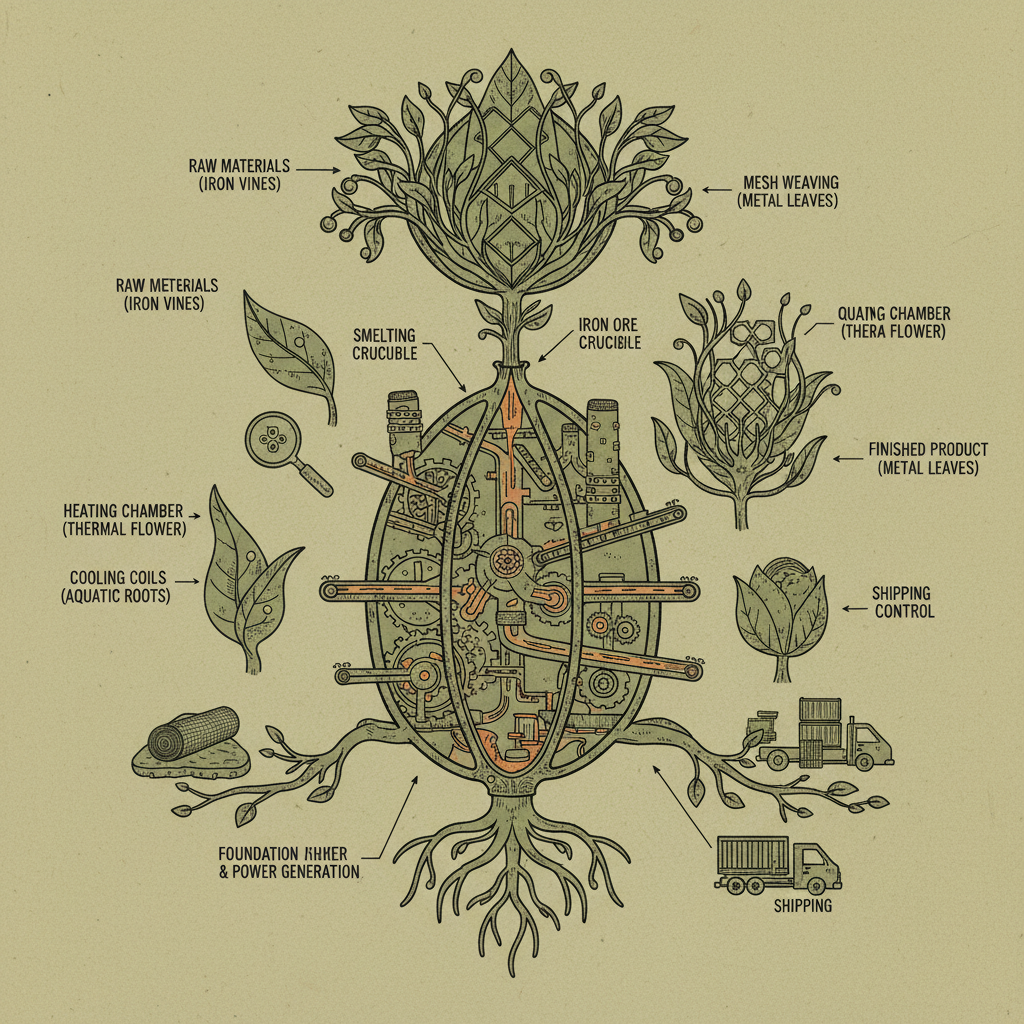
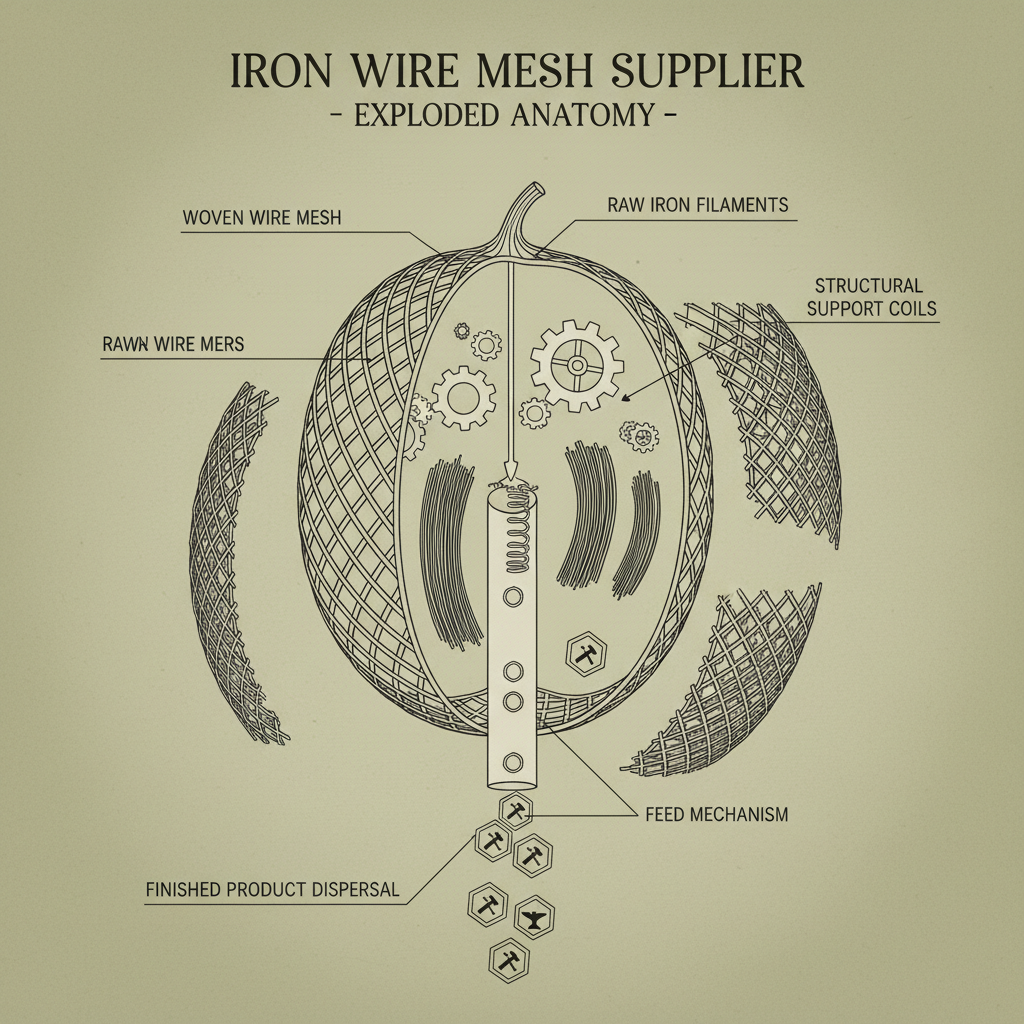
Essential Considerations for Iron Wire Use in Modern Construction Projects

The Rise of Prefabrication and Material Considerations

Essential Considerations for Iron Wire Use in Modern Construction Projects

Prefabrication’s a big push, like I said. They’re all trying to get away from wet trades on-site – no more messy concrete pouring, less reliance on skilled labor. But it puts everything on the materials. If the materials aren't right, the whole thing falls apart. And that’s where iron wire comes into play, holding everything together, literally. We’ve been testing different galvanizing methods for the wire itself. Some of those fancy coatings crack under stress. You’d think they’d last, but…

Anyway, I think the biggest issue isn’t just the material itself, it’s how it’s transported and stored. Iron wire gets rusty if it gets wet, obviously. But even humidity can cause problems. You need proper packaging, decent ventilation… basic stuff, but a lot of suppliers cut corners.

Design Pitfalls and On-Site Realities

You wouldn't believe the designs I see. Engineers sitting in their offices, designing things they've never actually built. They specify these intricate connections, these delicate tolerances… and then expect the guys on the ground to make it work with a wrench and a prayer. It never does. Simple is better. Always. I learned that lesson the hard way, years ago on a bridge project. Later… forget it, I won’t mention it.

A lot of times, the problem isn't the iron wire itself, but the components it's connecting to. Misaligned beams, warped panels, inconsistent welding… it all puts extra stress on the wire. And that's when things start to fail. You’ve got to account for those imperfections in the design, build in some slack.

Have you noticed how obsessed everyone is with aesthetics these days? They want everything to look "clean" and "seamless." But on a construction site, things are messy. They get dirty. They get banged up. You need to design for that.

The Importance of Material Handling and Testing

Testing is crucial, but lab tests don’t tell the whole story. You need to see how the iron wire performs in real-world conditions. We set up a test rig on a site in Shanghai – basically, a miniature version of the structure, subjected to simulated wind loads, vibrations, and corrosion. Much more useful than anything you get from a lab report.

Material handling is also key. We had a shipment of iron wire arrive last year, completely crushed. The packaging was inadequate, and the shipping company just tossed it around like it was nothing. The wire was still usable, but it had kinks and bends. It affected its tensile strength, and we had to reject the whole lot.

And you wouldn’t believe the variations in quality, even from the same supplier. It's always a gamble, you have to check every batch. We’ve started doing our own in-house testing, just to be sure. It's extra work, but it saves us headaches down the line.

How Users Really Interact with Iron Wire Products

Most people don’t think about iron wire directly. It’s hidden inside walls, under floors, holding everything together. But the guys installing it? They’re intimately familiar with it. They’re the ones wrestling with it, bending it, tying it, cursing it when it breaks.

They don't care about tensile strength and yield point. They care about how easy it is to cut, how well it bends, and whether it’s going to dig into their hands. Believe it or not, comfort is a big factor. They're using this stuff all day, every day.

Advantages, Disadvantages and Customization Options

The biggest advantage of iron wire is its strength-to-weight ratio. It’s strong, but relatively lightweight, which makes it easier to handle. And it’s cheap. Seriously cheap. You can’t beat the price. But it rusts. That’s the big downside. Even with galvanizing, it’s still susceptible to corrosion, especially in harsh environments.

Iron Wire Performance Metrics


A Customer Story from Shenzhen

Last month, that small boss in Shenzhen who makes smart home devices insisted on changing the interface to . He wanted a “sleek, modern look” for the wire harness. I told him it was a bad idea. connectors are smaller, more fragile. Iron wire is already fiddly to work with, and those tiny connectors made it even worse. He didn’t listen.

He wanted it done yesterday, of course. So, we did it. And wouldn’t you know it, within a week, he was calling us complaining about connection failures. The wire was bending at the connector, breaking the solder joints. Cost him a fortune in rework. It just goes to show, sometimes the simplest solution is the best.

Anyway, I think that guy learned a lesson. And so did we. We’ve added a disclaimer to our contracts: “We are not responsible for design choices made against our professional advice.” It sounds harsh, but it saves us a lot of grief.

Real-World Performance and Material Analysis

We’ve been doing a lot of testing with different coatings – epoxy, polyurethane, even some experimental ceramic blends. The ceramic stuff shows promise, but it’s expensive. And it’s brittle. We found it cracked under stress in cold weather.

We also looked at different wire diameters and tensile strengths. Turns out, there’s a point of diminishing returns. Going beyond a certain thickness doesn’t add much strength, but it makes the wire much harder to work with.

Analyzing failures is crucial. We collect broken wire samples from sites and run metallurgical tests. Sometimes it’s corrosion, sometimes it’s fatigue, sometimes it’s just plain old bad luck. But it’s important to understand why things fail, so we can improve our designs and materials.

Iron Wire Material Performance Summary

Material Type Tensile Strength (MPa) Corrosion Resistance (1-5) Workability (1-5)
Low Carbon Steel 400 2 5
Galvanized Steel 450 3 4
Stainless Steel 304 500 5 3
High Carbon Steel 700 2 2
Epoxy Coated Steel 420 4 4
Polyurethane Coated Steel 430 4 4

FAQS

What's the best way to prevent iron wire from rusting on a coastal construction site?

Coastal environments are brutal. Galvanizing helps, but it's not enough. We recommend using stainless steel wire for any exposed applications, or applying a multi-layer coating system. Regularly inspect and re-coat if necessary. Proper storage of unused wire, away from moisture, is also critical. A good rule of thumb: if you can smell salt in the air, treat the wire as if it's already rusting.

How do I determine the correct gauge of iron wire for a specific load-bearing application?

It's not just about the gauge; you need to consider the material's tensile strength and the type of load it will bear (static, dynamic, impact). Consult with an engineer and refer to relevant building codes. Always err on the side of caution – using a slightly thicker wire is better than risking a failure. There are online calculators, but they are only as good as the data you put in.

Can iron wire be used in concrete reinforcement?

Yes, but it’s generally not recommended as a primary reinforcement. While iron wire can provide some tensile strength, it's more susceptible to corrosion within concrete than rebar. If you absolutely must use it, ensure it's heavily galvanized and properly encapsulated to prevent moisture ingress. Using it for tying rebar cages is a common practice though.

What are the best tools for cutting and bending iron wire on a construction site?

Good quality wire cutters are essential. Avoid the cheap ones, they'll just crush the wire. For bending, a pair of pliers with smooth jaws is ideal. A wire bending tool can help create consistent bends. Safety glasses are a must – flying wire fragments are no joke. And don’t forget gloves, especially with thinner gauges.

Is there a sustainable alternative to traditional iron wire?

There's a growing interest in using recycled steel wire, which has a lower environmental impact. Some companies are also exploring bio-based polymers as a coating material to improve corrosion resistance. It's still early days, but these alternatives show promise. The challenge is often cost and performance.

How do I properly store iron wire to prevent rust and damage?

Store it in a dry, well-ventilated area, preferably indoors. Keep it off the ground and covered with a waterproof tarp. If storing outdoors, elevate it on pallets and ensure it’s protected from rain and snow. Properly sealed packaging is key. Small tip: a desiccant pack in the packaging helps absorb moisture.

Conclusion

Ultimately, whether this thing works or not, the worker will know the moment he tightens the screw. We've talked about materials, designs, testing, and everything in between. But none of that matters if the iron wire doesn't perform when it's put to the test on the job site. It’s about understanding the real-world challenges and choosing the right materials and methods to overcome them.

I think the future of iron wire lies in smarter coatings, better quality control, and a greater emphasis on sustainability. We need to move beyond simply looking for the cheapest option and focus on building structures that will last. And that means paying attention to the details, listening to the guys on the ground, and never forgetting that a seemingly small component like iron wire can make all the difference. Visit our website at iron wire factory to learn more.

Daniel Garcia

Daniel Garcia

Daniel Garcia is a Regional Sales Representative for Anping Honglin Wire Mesh Co., Ltd., covering the Midwest territory. He is responsible for cultivating new relationships with construction firms and hardware suppliers, promoting the versatility of Honglin’s products. Daniel is an enthusiastic advocate for wire mesh solutions, and excels at demonstrating
Previous Understanding the Nuances of Iron Wire for Fencing and its Applications
Next iron wire for sale
tel
Email