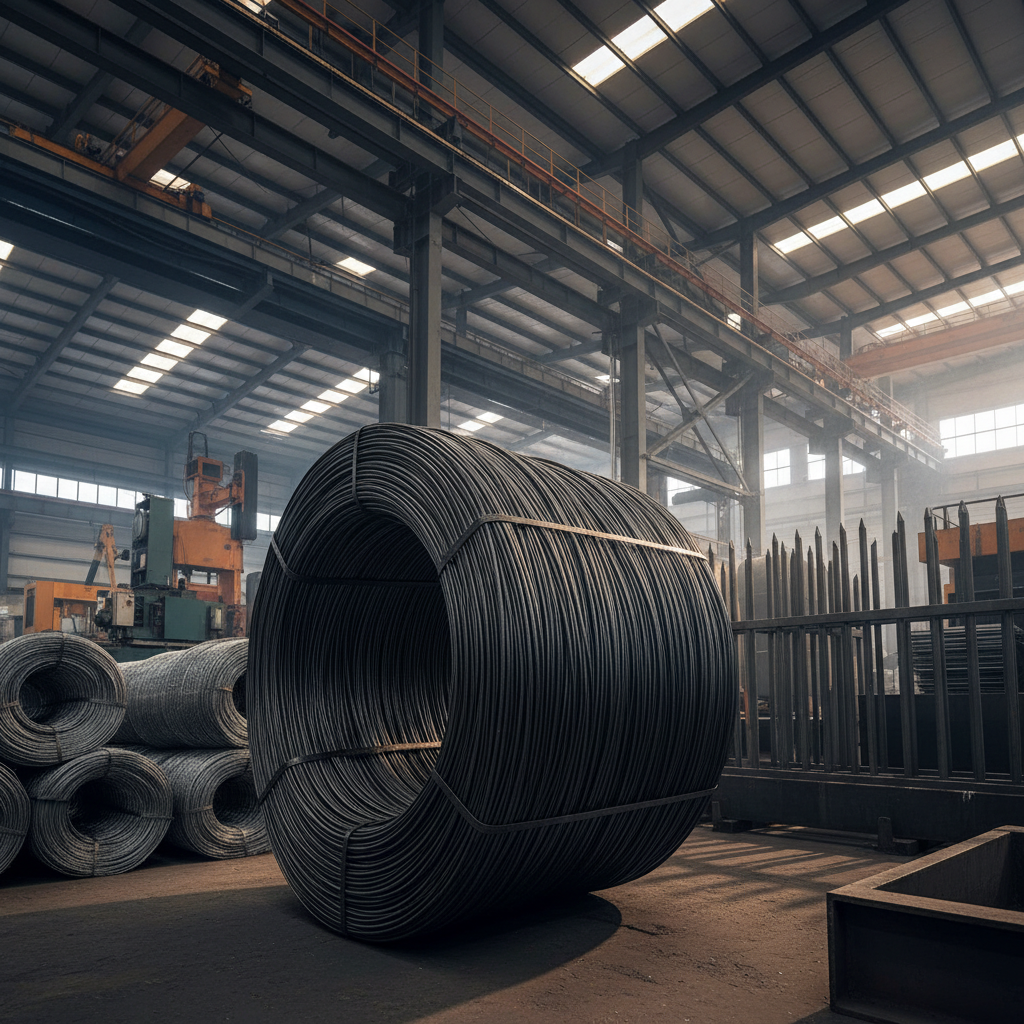
Iron wire craft, encompassing a diverse range of techniques from delicate jewelry making to robust structural supports, represents a surprisingly versatile and enduring human endeavor. Historically a fundamental skill, it continues to play a vital role in modern industries, humanitarian efforts, and artistic expression globally. Its relatively low cost and accessibility make it a key resource in developing nations and a valuable tool in disaster relief.
The global relevance of iron wire craft stems from its adaptability and fundamental properties. Iron wire is readily available, relatively inexpensive to produce, and possesses significant tensile strength. This makes it ideal for applications ranging from fencing and agricultural supports to intricate sculptures and essential components in electrical systems. The versatility of iron wire directly addresses needs in infrastructure, agriculture, construction, and creative sectors worldwide.
Understanding iron wire craft is crucial not just for artisans and engineers, but also for those involved in sustainable development, emergency response, and innovative design. It's a core skill for creating durable, affordable, and locally sourced solutions in countless contexts, promoting economic empowerment and resourcefulness across communities. Its simplicity belies its potential for addressing complex challenges, making it an essential area of study and application.
The Essence of Iron Wire Craft
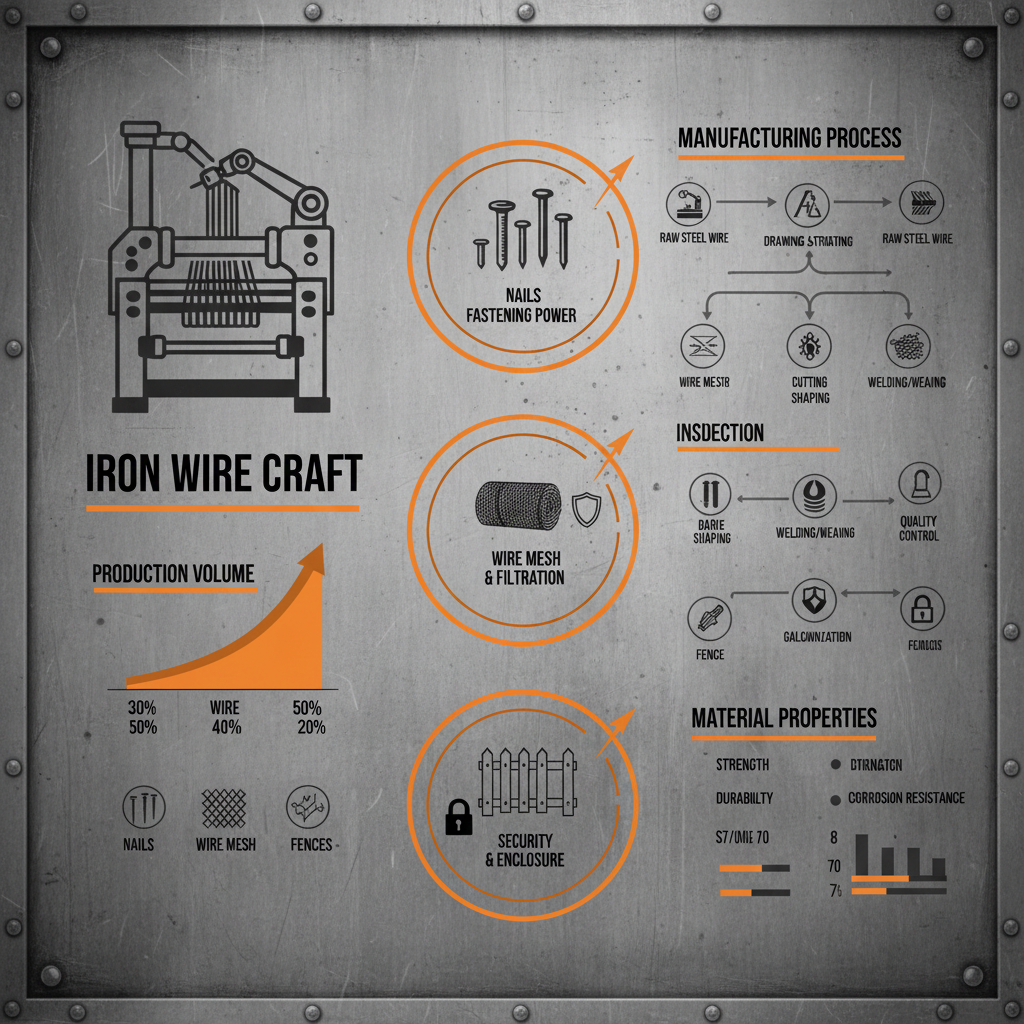
At its heart, iron wire craft is about the manipulation of ferrous metal into functional and artistic forms. This process, refined over millennia, requires understanding the material’s properties – its malleability, tensile strength, and corrosion resistance. Modern techniques often involve specialized tools, but the core principle remains the same: skillfully bending, twisting, welding, and shaping iron wire to meet specific needs.
The impact of this craft extends far beyond simple utility. Iron wire has been historically used for creating essential tools, household items, and even fortifications. Today, it remains an integral part of many industries, from construction and agriculture to electronics and the arts, demonstrating its enduring value and adaptability.
Defining Iron Wire Craft
Iron wire craft is the art and science of shaping iron wire into various structures and objects. Unlike processes involving molten metal, this craft deals directly with the solid wire form, utilizing bending, twisting, welding, and joining techniques. It’s a skill that bridges the gap between raw material and finished product, often requiring minimal specialized machinery beyond basic tools.
The connection to modern industry is undeniable. Iron wire serves as a foundational component in countless manufactured goods, from electrical wiring and reinforcement in concrete to the frameworks of fences and the springs within machinery. Furthermore, it plays a crucial role in addressing humanitarian needs, as seen in the rapid deployment of fencing for refugee camps or the creation of emergency shelter supports.
The craft also possesses a strong connection to cultural heritage, representing an ancient technique that has been passed down through generations. From intricate filigree jewelry to robust agricultural tools, iron wire craft embodies both practicality and artistic expression, preserving traditions while adapting to evolving demands.
Core Components of Iron Wire Craft
Several core aspects define the capabilities and limitations of iron wire craft. Firstly, Durability is paramount. Iron, though susceptible to rust, offers significant strength and longevity when properly treated or alloyed. Secondly, Malleability is essential for shaping the wire into desired forms. Different gauges and tempers of iron wire offer varying degrees of flexibility.
Versatility defines the broad range of applications. Iron wire can be used independently or in conjunction with other materials, adapting to diverse needs. Cost-Effectiveness is another crucial element; compared to many alternative materials, iron wire remains a relatively affordable option, particularly in regions where iron ore is readily available. Finally, Weldability allows for the creation of robust joints and complex structures, expanding the possibilities of the craft.
These components directly impact practical applications. A project requiring high tensile strength utilizes thicker gauge wire and robust welding techniques. A delicate artistic piece necessitates finer wire and intricate bending skills. Understanding these core elements ensures the successful execution of any iron wire craft project.
Applications and Use Cases
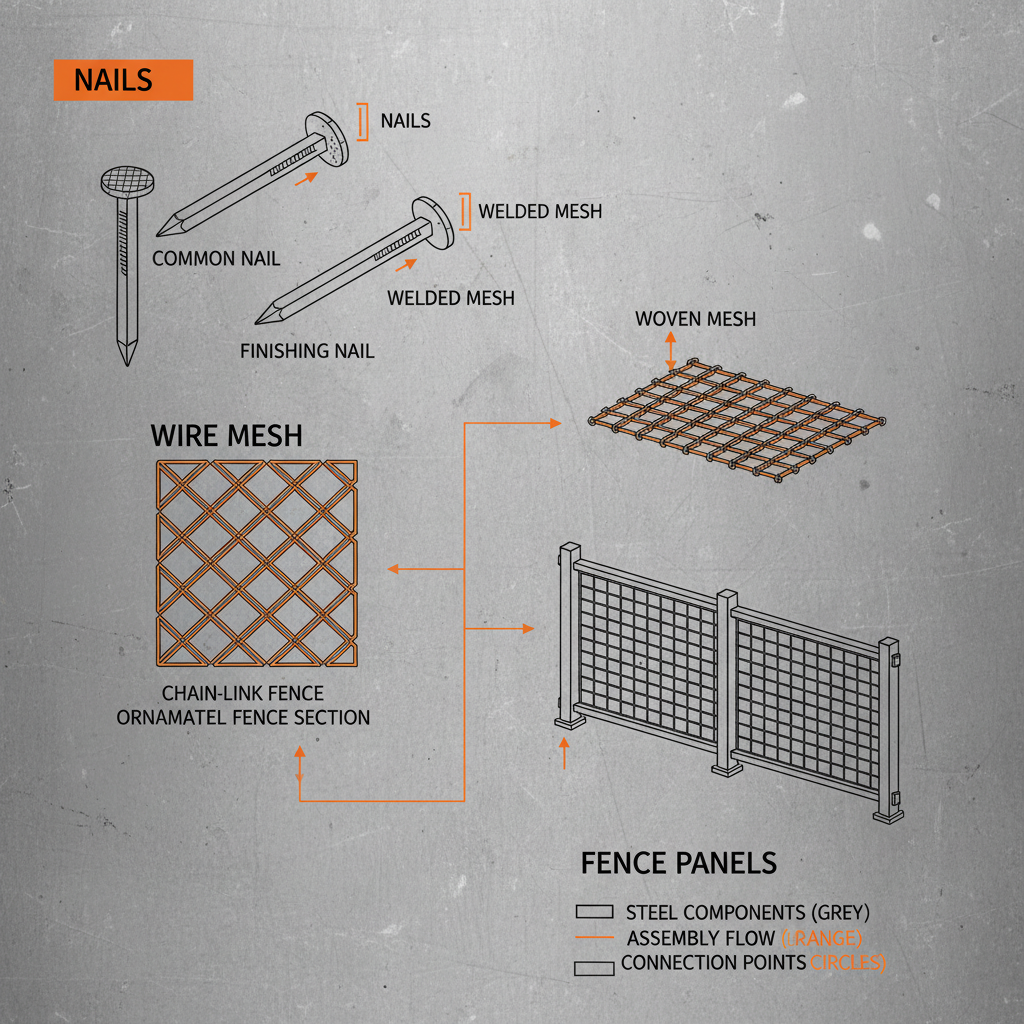
The applications of iron wire craft are incredibly diverse. In agriculture, it provides essential support for climbing plants, creates fencing for livestock, and forms the structure for greenhouses. Construction relies on iron wire for reinforcing concrete, securing formwork, and creating tie wires.
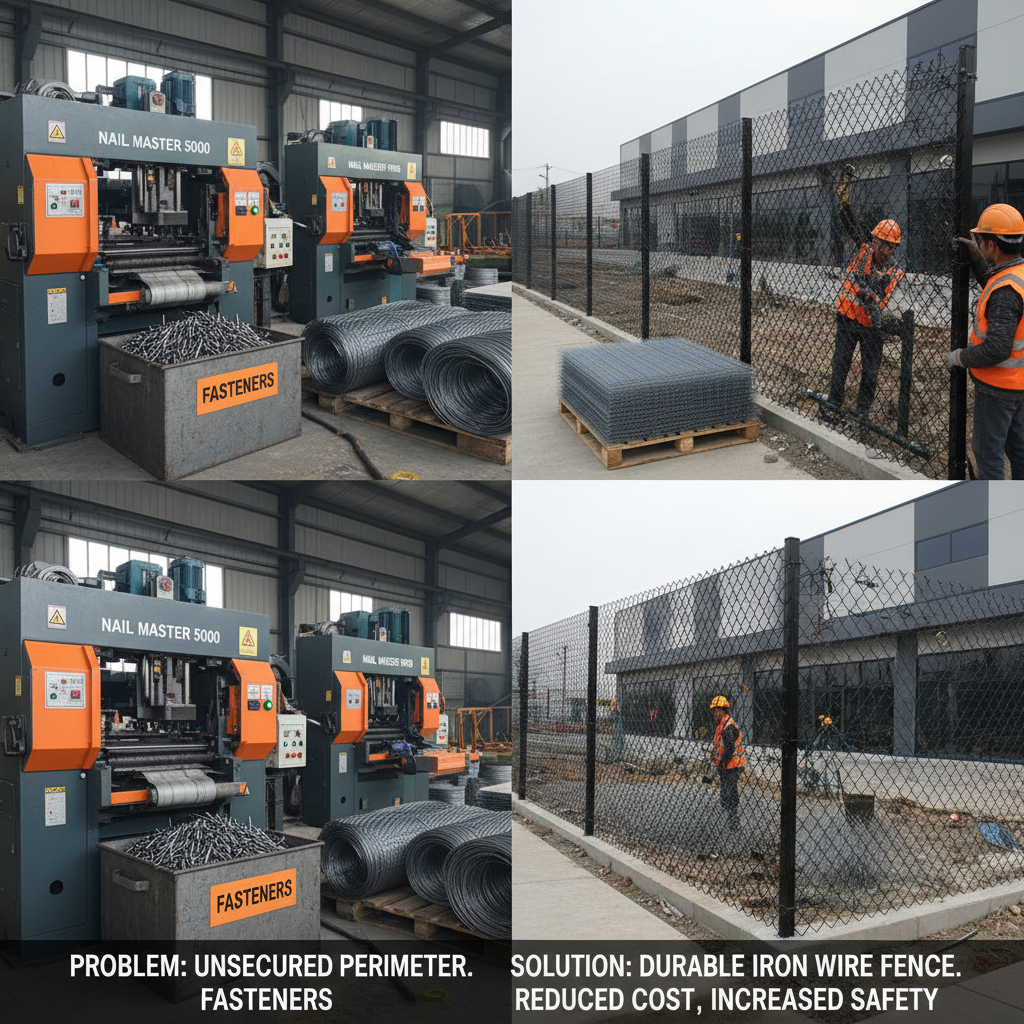
In post-disaster relief operations, iron wire quickly provides shelter support, temporary fencing for security, and materials for building essential infrastructure. Its portability and ease of use make it invaluable in crisis situations. Similarly, in remote industrial zones where access to heavier materials is limited, iron wire provides a readily available solution for constructing basic structures and tools.
Beyond practical applications, iron wire craft flourishes in the arts. Sculptors employ it to create intricate three-dimensional forms, jewelers utilize it for delicate wire-wrapping techniques, and artisans incorporate it into decorative items and furniture, demonstrating its creative potential.
Iron Wire Craft Application Distribution
Advantages and Long-Term Value
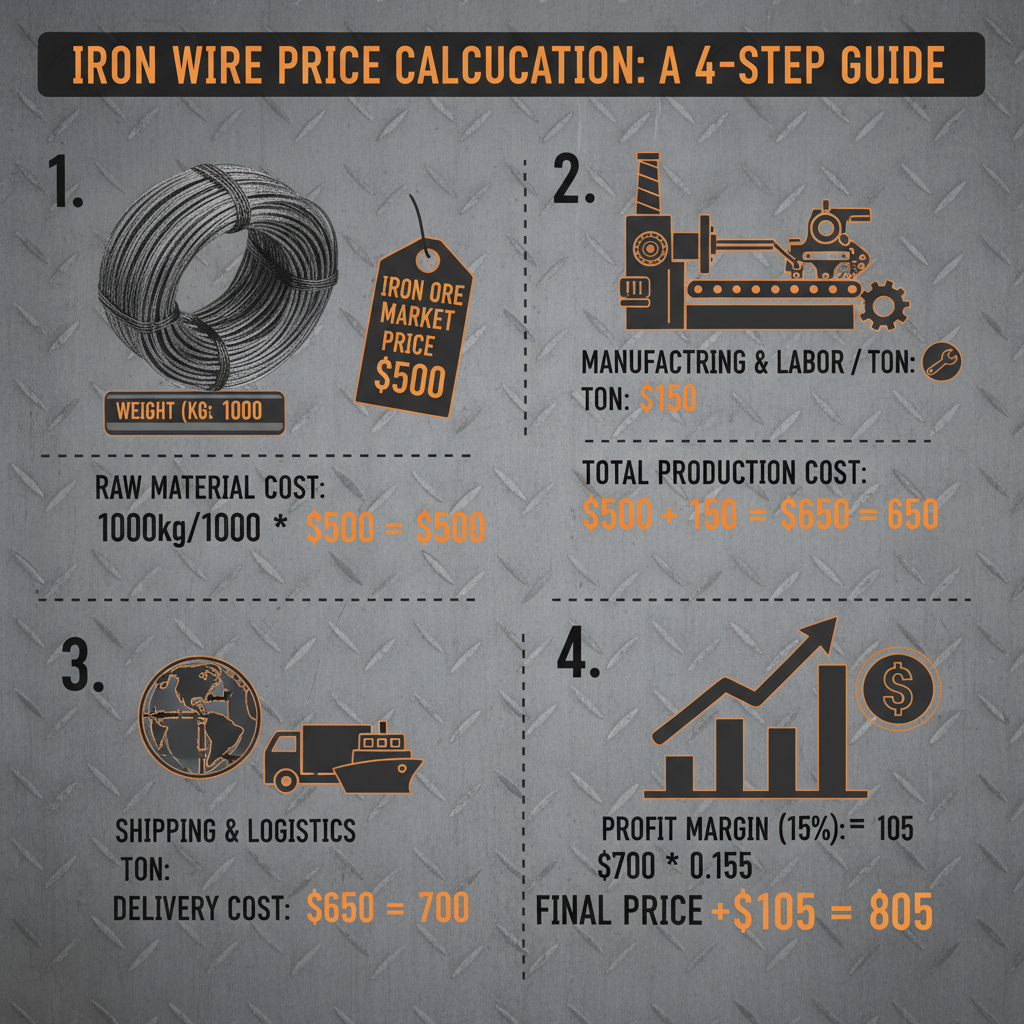
The benefits of employing iron wire craft are numerous and far-reaching. From a cost perspective, it often represents a significantly cheaper alternative to other building materials or finished components, particularly in regions where iron ore is abundant. This affordability makes it accessible to a wider range of users and projects.
Sustainability is also a key advantage. Iron is a recyclable material, reducing the environmental impact of its use. The relatively simple manufacturing process of iron wire requires less energy compared to producing more complex metal products. Furthermore, the long-term reliability of well-maintained iron wire structures contributes to reduced replacement costs and waste. The inherent dignity of creating with one’s own hands, fostering skill-building and community empowerment, adds a valuable social dimension.
Future Trends and Innovations
The future of iron wire craft is intertwined with broader technological advancements. The development of new alloys with enhanced corrosion resistance and tensile strength will expand its applications. Automation in wire forming and welding processes promises increased efficiency and precision.
Furthermore, the integration of digital design tools (CAD/CAM) and robotic fabrication will enable the creation of intricate and customized iron wire structures. The increasing focus on sustainable building practices will likely drive demand for eco-friendly iron wire products and techniques. Exploring bio-based coatings for enhanced corrosion protection also presents a promising avenue for innovation.
Challenges and Solutions
Despite its advantages, iron wire craft faces challenges. Corrosion is a significant concern, particularly in humid or saline environments. This can be mitigated through galvanization, powder coating, or the use of rust-inhibiting alloys. Another challenge is the labor-intensive nature of some techniques.
Addressing this requires investing in training programs that promote efficient and safe working practices. The limitations of manual bending and shaping can be overcome through the adoption of automated wire forming machines. Ensuring consistent quality control throughout the production process is also crucial for maintaining the reliability and longevity of iron wire structures.
Finally, fostering collaboration between artisans, engineers, and materials scientists is essential for developing innovative solutions and pushing the boundaries of iron wire craft.
Analysis of Iron Wire Craft Challenges and Solutions
| Challenge |
Severity (1-10) |
Potential Solution |
Implementation Cost (1-10) |
| Corrosion |
8 |
Galvanization, Powder Coating |
6 |
| Labor Intensity |
7 |
Automated Wire Forming Machines |
9 |
| Material Consistency |
6 |
Rigorous Quality Control Measures |
4 |
| Skill Gap |
5 |
Training Programs & Apprenticeships |
5 |
| Limited Design Complexity |
4 |
CAD/CAM Integration |
7 |
| Waste Generation |
3 |
Recycling Programs & Material Optimization |
3 |
FAQS
Iron wire is extensively used in construction for reinforcing concrete, tying rebar together, creating mesh for plastering, and as a component in fencing and structural supports. Its high tensile strength and relative affordability make it an essential material for ensuring building stability and longevity. Galvanized iron wire is particularly favored for outdoor applications due to its corrosion resistance. Properly applied iron wire enhances the structural integrity and overall durability of various construction projects.
The gauge of iron wire, referring to its diameter, directly correlates with its strength and flexibility. Lower gauge numbers indicate thicker wire, which boasts greater tensile strength and resistance to deformation. However, thicker wire is less flexible and more difficult to bend. Conversely, higher gauge numbers represent thinner wire, offering increased flexibility but reduced strength. The appropriate gauge selection depends on the intended application, balancing the need for strength with the requirement for malleability.
Several methods prevent corrosion in iron wire craft. Galvanization, applying a zinc coating, is a common and effective technique. Powder coating provides a durable, protective layer. Using stainless steel alloys inherently resists corrosion, though at a higher cost. Applying protective oils or paints can also offer temporary protection. The choice of method depends on the environment and desired lifespan of the iron wire object.
Yes, iron wire can be readily welded, although careful technique is essential. MIG (Metal Inert Gas) welding and spot welding are commonly used for joining iron wire. Proper surface preparation, including cleaning and removing any rust, is crucial for achieving a strong weld. Using appropriate welding parameters, such as amperage and voltage, is also important to avoid burning through the wire or creating a brittle weld. Shielded Metal Arc Welding (SMAW) can also be employed with suitable electrodes.
Working with iron wire requires several safety precautions. Always wear safety glasses to protect your eyes from flying wire fragments. Gloves are essential to prevent cuts and abrasions. When bending or cutting wire, use appropriate tools and avoid applying excessive force. Be mindful of sharp ends and dispose of waste wire properly to prevent injuries. When welding, follow all recommended welding safety procedures, including wearing a welding helmet, gloves, and protective clothing.
Iron wire craft can significantly contribute to sustainable design by utilizing a recyclable material. Employing locally sourced iron wire reduces transportation emissions. Utilizing wire efficiently, minimizing waste through careful planning and design, and incorporating reclaimed wire further enhances sustainability. The inherent durability of iron wire structures reduces the need for frequent replacements, lowering life-cycle environmental impacts. Furthermore, iron wire can be combined with natural materials like wood or bamboo to create eco-friendly structures.
Conclusion
In conclusion, iron wire craft remains a remarkably versatile and valuable skill, bridging the gap between traditional techniques and modern innovation. From its essential role in construction and agriculture to its artistic expression and humanitarian applications, the adaptability and cost-effectiveness of iron wire make it a crucial resource globally. Understanding its core components, addressing its challenges, and embracing future advancements will ensure its continued relevance for generations to come.
Looking ahead, investing in training, promoting sustainable practices, and integrating new technologies will unlock even greater potential for iron wire craft. Its role in addressing critical needs, from disaster relief to sustainable building, is undeniable. We encourage you to explore the possibilities and contribute to the ongoing evolution of this enduring craft. Visit our website at iron wire factory to learn more and discover our products.