0%

Table of Contents

Iron wire video technology is rapidly evolving, becoming a crucial component in various industries globally. From infrastructure monitoring to security systems and even artistic expression, the ability to reliably transmit and analyze video data over iron wire networks is paramount. This has led to significant innovations in compression algorithms, transmission protocols, and image processing techniques, ultimately enhancing efficiency and reducing costs. The increasing demand for real-time data and remote access fuels the continued development and refinement of iron wire video solutions.

The global market for video surveillance and analytics, directly impacted by iron wire video infrastructure, is projected to reach substantial figures in the coming years. Reports from organizations like Statista and Market Research Future highlight the increasing adoption of these technologies across diverse sectors including retail, transportation, and public safety. This growth is driven by a rising need for enhanced security measures, optimized operational efficiency, and predictive maintenance capabilities, making iron wire video a cornerstone of modern technological infrastructure.

Understanding iron wire video isn't just about technical specifications; it’s about recognizing its potential to address real-world challenges. It’s about enabling safer communities, streamlining business processes, and fostering innovation. Its scalability and cost-effectiveness make it an attractive solution for both large corporations and small businesses, solidifying its importance in a connected world. Furthermore, advances in this area unlock new possibilities for remote diagnostics and control, driving progress across numerous fields.
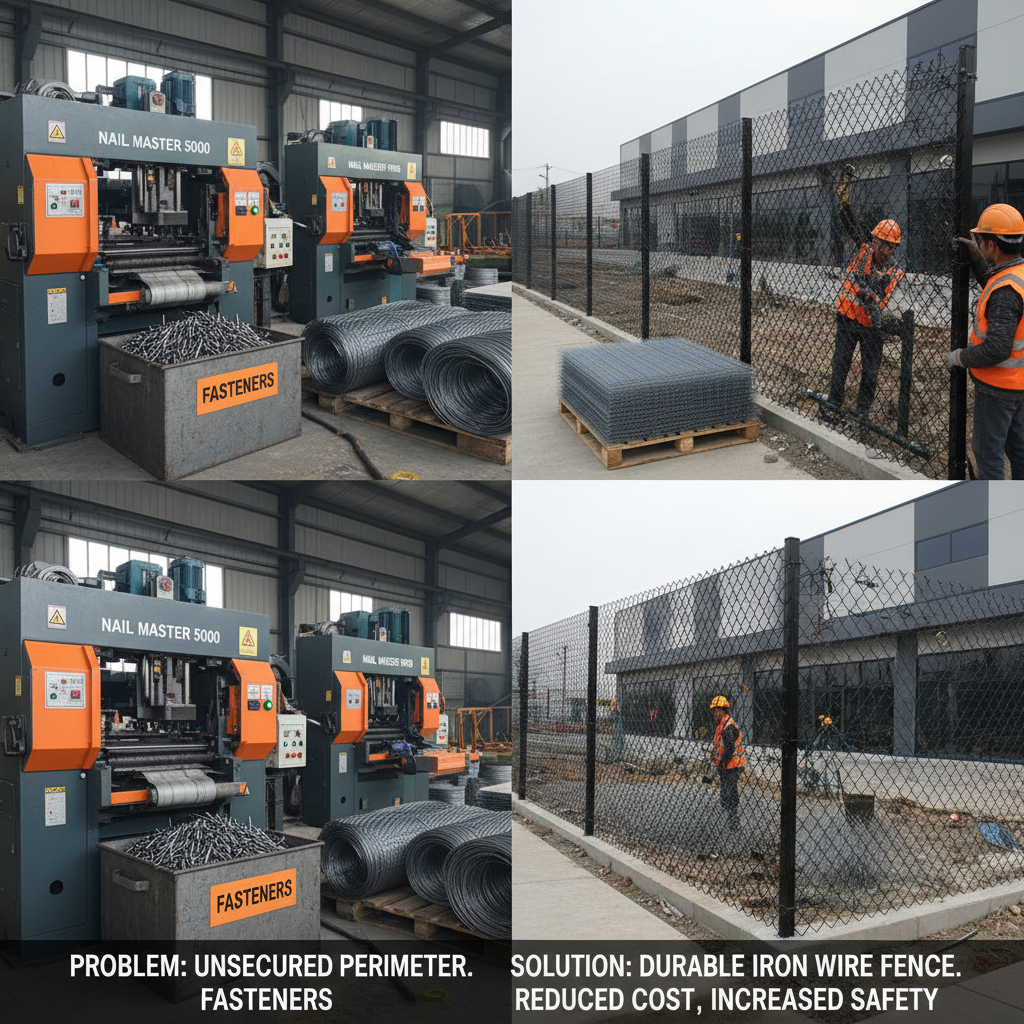
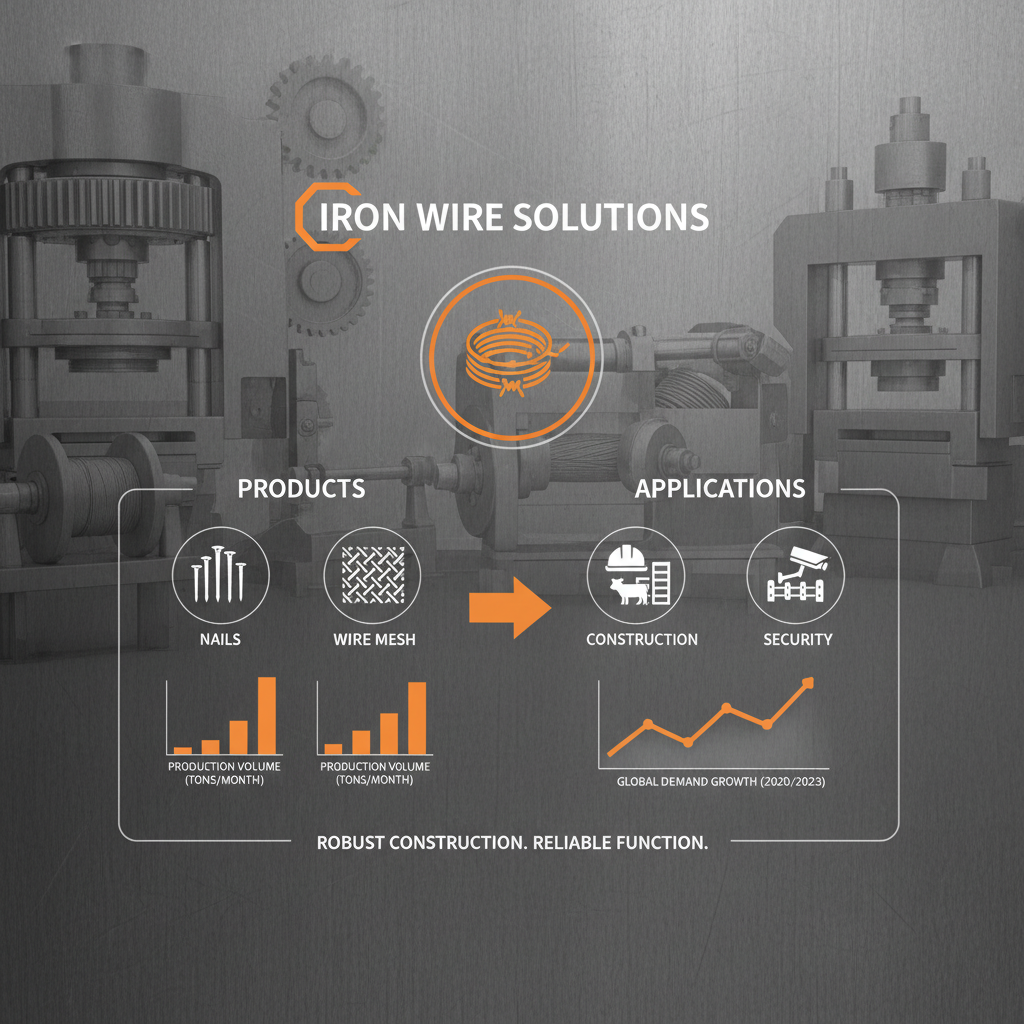
Advancements in Iron Wire Video Technology for Enhanced Global Connectivity

Introduction to iron wire video

Advancements in Iron Wire Video Technology for Enhanced Global Connectivity

Iron wire video represents a specialized approach to transmitting visual data, often employed in scenarios demanding robustness and reliability. It’s particularly relevant in situations where traditional network infrastructure is either unavailable or impractical, such as remote monitoring locations or challenging environmental conditions. This technology focuses on optimizing video signal transfer over existing iron wire infrastructure, minimizing the need for costly new installations. iron wire video represents a cost-effective solution for several industries.

The core strength of iron wire video lies in its ability to leverage established infrastructure. This eliminates the complexities and expenses associated with building new networks, making it ideal for projects with limited budgets or time constraints. Furthermore, the inherent security of a dedicated iron wire connection provides a significant advantage in sensitive applications, safeguarding against unauthorized access and data breaches. The versatility of iron wire video has led to diverse implementation possibilities.

Defining iron wire video

At its simplest, iron wire video involves the transmission of video signals across existing iron wire networks. However, it’s more than just sending a video feed down a wire; it requires sophisticated encoding, modulation, and demodulation techniques to ensure signal integrity and minimize data loss. The video data is converted into a format suitable for transmission over the iron wire, and then reconstructed at the receiving end to produce a viewable image.

This technology stands apart from conventional video transmission methods like fiber optics or wireless networks due to its inherent resilience and independence from external power sources in certain configurations. This independence is crucial in remote locations or disaster-prone areas where power outages are common. The application of iron wire video has expanded beyond simple surveillance to include complex data analytics and remote control systems.

The connection to modern industry stems from the need for reliable and secure data transmission in critical infrastructure monitoring, remote asset management, and process control. Humanitarian applications include emergency communication networks, disaster relief coordination, and remote medical diagnostics in areas with limited connectivity.

Core Components of iron wire video

The foundation of any successful iron wire video system rests on several key components. First, a high-quality video source – a camera capable of capturing clear and detailed images – is essential. This is coupled with a robust encoder, which compresses the video data to minimize bandwidth requirements for efficient transmission. iron wire video solutions often employ advanced compression algorithms to maintain image quality while reducing data size.

Next, a specialized transceiver is needed to modulate the compressed video signal for transmission over the iron wire and demodulate the received signal back into a viewable video format. The quality and sensitivity of this transceiver are paramount for ensuring signal clarity and range. Finally, a robust receiver and decoder are required at the destination to reconstruct the video image.

Effective noise filtering and error correction mechanisms are also critical, as iron wire is susceptible to interference and signal degradation. These components work in harmony to deliver a reliable and high-quality video experience, even in challenging environments.

Key Factors Influencing iron wire video Performance

Several factors significantly influence the performance of iron wire video systems. Signal strength is crucial; longer wire runs and greater distances naturally lead to signal attenuation, requiring the use of repeaters or amplifiers. The quality and age of the existing iron wire infrastructure itself play a vital role; corroded or damaged wires can introduce noise and impede signal transmission.

Environmental conditions, such as humidity and temperature, can also affect performance. Proper shielding and insulation are essential to protect the signal from interference.

iron wire video Performance Metrics


Global Applications of iron wire video

Iron wire video finds application in a wide range of industries and scenarios. In post-disaster relief operations, it provides critical situational awareness, enabling rescue teams to assess damage and coordinate aid efforts in areas where traditional communication networks are down. The ability to transmit video over existing infrastructure makes it invaluable in these circumstances.

In remote industrial zones, such as oil and gas pipelines or mining operations, it facilitates remote monitoring of critical assets, reducing the need for costly on-site inspections. This enhances safety, minimizes downtime, and optimizes operational efficiency.

Advantages and Long-Term Value

The advantages of iron wire video are numerous. Cost-effectiveness is a major draw, as it minimizes the need for new infrastructure investment. Reliability is another key benefit, particularly in challenging environments where traditional networks are susceptible to disruption. The inherent security of a dedicated iron wire connection provides peace of mind in sensitive applications.

The long-term value lies in its scalability and adaptability. As technology evolves, iron wire video systems can be upgraded with more sophisticated encoding and transmission techniques without requiring a complete overhaul of the underlying infrastructure. This ensures a sustainable and future-proof solution.

Beyond practical considerations, iron wire video contributes to increased safety, enhanced security, and improved operational efficiency, fostering trust and driving innovation across various sectors.

Future Trends in iron wire video

The future of iron wire video is bright, with several emerging trends poised to reshape the landscape. The integration of artificial intelligence (AI) and machine learning (ML) will enable intelligent video analytics, allowing for automated threat detection, predictive maintenance, and enhanced situational awareness.

Advances in compression algorithms will further improve video quality and reduce bandwidth requirements, enabling the transmission of high-resolution video over existing iron wire networks. The adoption of edge computing will bring processing power closer to the source, reducing latency and enhancing responsiveness.

Sustainability is also a growing focus, with efforts to develop energy-efficient transceivers and utilize renewable energy sources to power iron wire video systems. These innovations will solidify the role of iron wire video as a key enabler of smart cities, remote monitoring, and critical infrastructure protection.

FAQS

What are the primary benefits of using iron wire video over traditional wireless systems?

Iron wire video offers greater security and reliability, particularly in environments prone to interference or jamming. It’s also less susceptible to hacking and data breaches compared to wireless networks. Furthermore, it can function independently of external power sources in certain configurations, making it ideal for remote locations. It is a long-lasting and cost effective iron wire video solution.

What types of cameras are compatible with iron wire video transmission?

Most standard analog and IP cameras can be used with iron wire video systems, provided they are paired with a compatible encoder. The key is to ensure the encoder can compress the video signal into a format suitable for transmission over the iron wire. Compatibility also depends on the specific transceiver being used. We recommend selecting cameras optimized for low-bandwidth transmission for optimal performance.

What is the maximum transmission distance for iron wire video?

The maximum transmission distance varies depending on the wire gauge, signal strength, and environmental conditions. Generally, distances of up to several kilometers are achievable with proper amplification and signal conditioning. However, for longer distances, repeaters may be necessary to boost the signal and maintain image quality. Consult with a professional to determine the optimal setup for your specific needs.

How can I troubleshoot poor video quality in my iron wire video system?

Poor video quality can be caused by several factors, including signal interference, damaged wires, or incorrect encoder settings. Start by checking the wire connections and ensuring they are secure. Try adjusting the encoder settings to optimize compression and reduce bandwidth. If the problem persists, consider using a signal amplifier or repeater. A professional inspection of the wire infrastructure may be necessary.

Is iron wire video a secure solution for sensitive data transmission?

Yes, iron wire video offers a high level of security, as it utilizes a dedicated physical connection that is less vulnerable to hacking and interception than wireless networks. However, it’s still important to implement appropriate encryption and access control measures to protect against unauthorized access. Ensure the encoder and decoder support robust security protocols.

What is the typical cost of implementing an iron wire video system?

The cost of implementing an iron wire video system varies depending on the complexity of the installation, the number of cameras, and the transmission distance. Generally, it is more cost-effective than installing a new fiber optic or wireless network. Factors such as amplifier requirements, labor costs, and ongoing maintenance should also be considered. Contact us at iron wire video for a custom quote.

Conclusion

In conclusion, iron wire video represents a powerful and versatile technology with a wide range of applications. Its cost-effectiveness, reliability, and inherent security make it an attractive solution for industries and organizations seeking robust video transmission capabilities. From remote monitoring to disaster relief and critical infrastructure protection, iron wire video continues to play a vital role in connecting the world and enhancing our lives.

Looking ahead, continued innovation in compression algorithms, AI-powered analytics, and sustainable energy solutions will further solidify the position of iron wire video as a cornerstone of modern video surveillance and data transmission. Exploring the potential of this technology offers a path toward safer, more efficient, and more resilient systems. Visit our website at iron wire video to learn more.

Daniel Garcia

Daniel Garcia

Daniel Garcia is a Regional Sales Representative for Anping Honglin Wire Mesh Co., Ltd., covering the Midwest territory. He is responsible for cultivating new relationships with construction firms and hardware suppliers, promoting the versatility of Honglin’s products. Daniel is an enthusiastic advocate for wire mesh solutions, and excels at demonstrating
Previous The Versatile Role of Iron Wire Roll in Global Industries and Applications
Next Exploring the Versatile World of Iron Wire Craft and its Global Impact
tel
Email