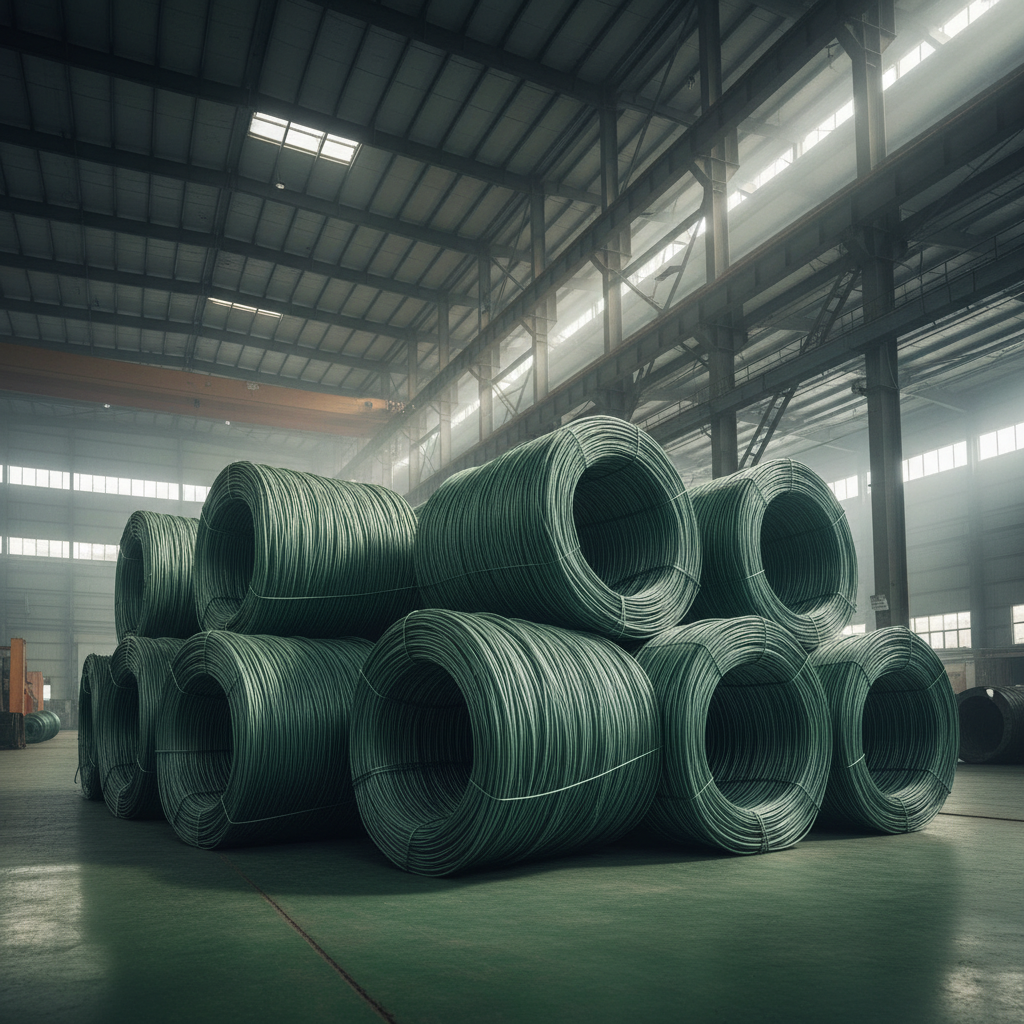
In the demanding world of industrial fencing and agricultural containment, the selection of materials can make a significant difference in both longevity and aesthetic integration. green galvanised wire represents a sophisticated fusion of heavy-duty corrosion resistance and environmental blending, ensuring that infrastructure does not clash with its natural surroundings while maintaining structural integrity.
The global shift toward sustainable urban planning and high-efficiency farming has pushed manufacturers to evolve beyond standard grey zinc coatings. By integrating a specialized green PVC or powder coating over a hot-dipped galvanized core, this material solves the age-old conflict between the need for industrial-strength durability and the desire for a low-profile, "invisible" presence in landscapes.
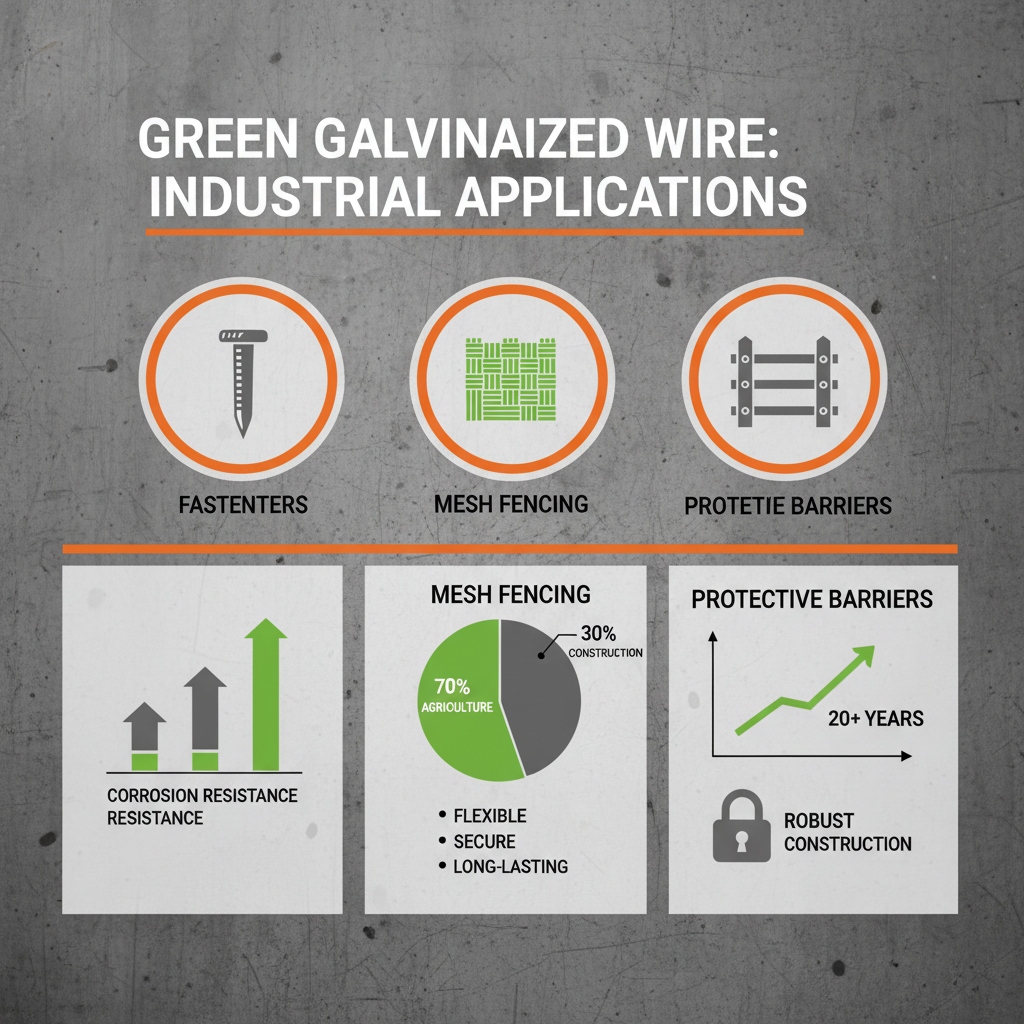
Understanding the technical specifications of green galvanised wire is essential for project managers, farmers, and architects. Whether it is being used for livestock management, security perimeter fencing, or specialized mesh products, the synergy of the zinc layer and the green polymer coating provides a dual-barrier defense against the harshest atmospheric conditions.
The Industrial Significance of Green Galvanised Wire
From a global perspective, the demand for green galvanised wire has surged as industrialization meets stringent environmental regulations. In many regions, particularly across Europe and North America, there is a growing requirement for fencing materials that do not disrupt local ecosystems or visual landscapes. This has turned what was once a niche aesthetic choice into a standard for high-end agricultural and municipal projects.
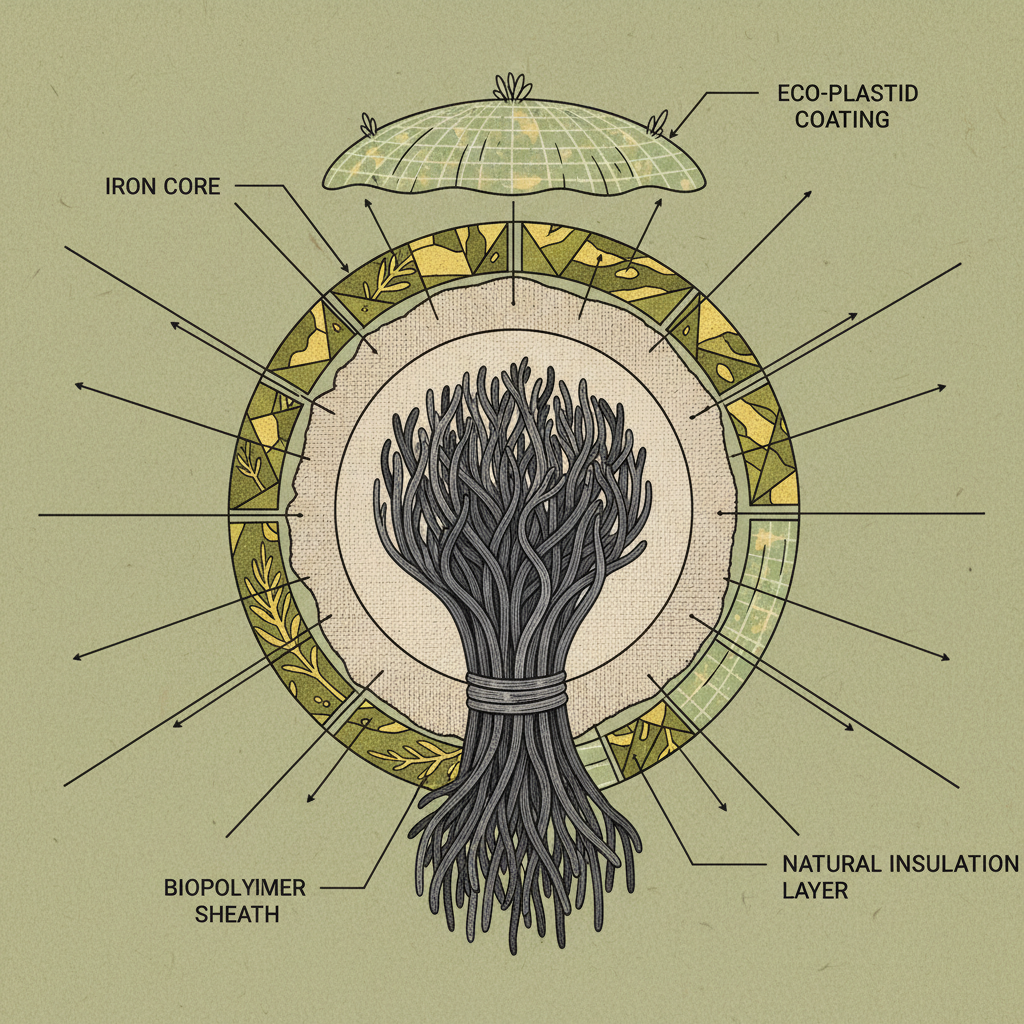
Beyond aesthetics, the industrial significance lies in the "double protection" mechanism. The inner galvanized layer provides sacrificial anodic protection, while the outer green coating acts as a primary physical barrier against moisture and UV radiation. This combination significantly reduces the frequency of replacements, aligning with ISO standards for sustainability and waste reduction in the construction sector.
Technical Composition and Manufacturing Process
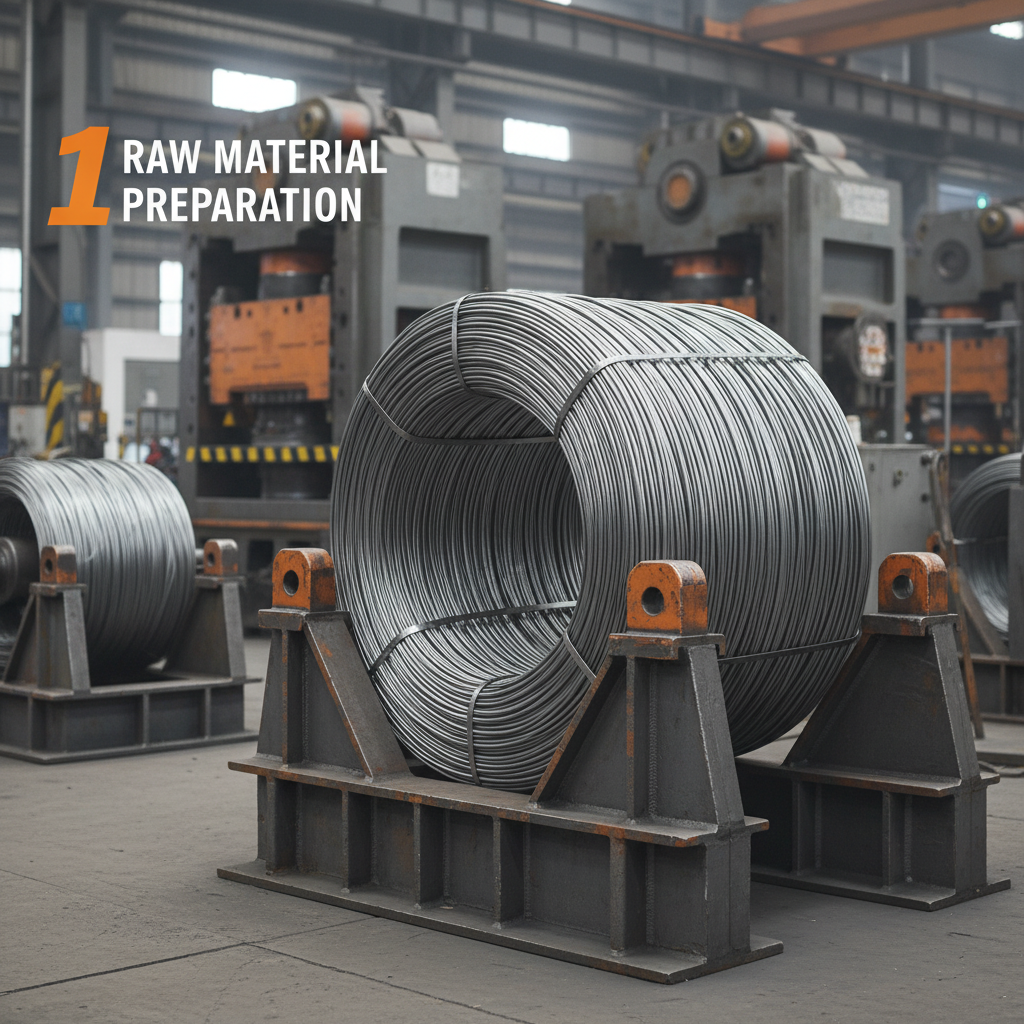
The production of green galvanised wire begins with high-quality low-carbon steel wire. This core is subjected to a hot-dip galvanizing process, where it is immersed in molten zinc at approximately 450°C. This creates a metallurgical bond that prevents rust from spreading even if the surface is scratched, providing the fundamental strength and corrosion resistance required for outdoor exposure.
Once the galvanized base is cooled, it undergoes a rigorous cleaning process to remove oxides and oils, ensuring maximum adhesion for the outer layer. The "green" aspect is achieved through either PVC coating or powder coating. In the PVC method, the wire is extruded through a polymer sleeve, creating a thick, flexible, and waterproof skin that is highly resistant to chemical erosion and weathering.
Finally, the wire is heat-treated or cured to lock in the color and properties of the coating. This multi-stage process ensures that the resulting green galvanised wire can withstand extreme temperature fluctuations and high humidity without peeling or fading, making it an ideal choice for permanent installations in varied climates.
Core Performance Factors for Longevity
One of the primary performance factors of green galvanised wire is its UV stability. Standard plastics degrade under sunlight, but industrial-grade green coatings are infused with UV inhibitors that prevent the material from becoming brittle or bleaching over time, ensuring the fence remains functional and visually appealing for decades.
Mechanical durability is another critical pillar. The bond between the zinc layer and the green polymer in high-quality green galvanised wire is designed to withstand tension and bending. This is particularly important for products like chain link fences or animal cages, where the wire must be manipulated during installation without cracking the protective skin.
Lastly, chemical resistance ensures that the wire remains intact in saline environments or areas with high sulfur concentrations. The dual-layer approach of green galvanised wire protects the steel core from acidic rain and soil corrosion, which would typically destroy untreated wire in a fraction of the time.
Comparative Efficiency in Diverse Environments
When comparing green galvanised wire to standard alternatives, the efficiency gains are most evident in coastal and tropical regions. While standard galvanized wire may succumb to "white rust" in high-salt air, the added polymer layer in green-coated variants blocks chloride ions from reaching the zinc surface, extending the service life by up to 50%.
In agricultural settings, the green hue serves a psychological purpose for livestock, reducing stress and blending with the pasture, which minimizes the risk of animals rubbing against the fence and causing mechanical damage. This blend of logical engineering and environmental psychology makes it a superior choice for modern husbandry.
Environmental Durability Rating of Green Galvanised Wire Variants
Global Applications and Use Cases
Across the globe, green galvanised wire is the gold standard for wildlife preserves and national park boundaries. By utilizing the green coating, park authorities can secure endangered species' habitats without introducing jarring metallic structures that disturb the natural vista or stress the animals.
In urban landscaping, this material is frequently used for decorative trellises, security partitions in public gardens, and "green walls." Its ability to resist oxidation while maintaining a foliage-like color allows architects to integrate security measures—such as 3D welded mesh fences—seamlessly into the city's green belts and parks.
Long-Term Economic and Environmental Value
From an economic standpoint, investing in green galvanised wire reduces the Total Cost of Ownership (TCO). While the initial procurement cost may be slightly higher than untreated wire, the drastic reduction in maintenance cycles and the elimination of the need for periodic painting or treating make it far more cost-effective over a 10-to-20-year horizon.
Environmental value is found in the material's recyclability. High-quality PVC and zinc coatings are designed to be processed at the end of their life cycle. By extending the lifespan of the fence, we reduce the amount of steel scrap generated and the energy required for the smelting of replacement materials, contributing to a circular economy in the metal products industry.
Furthermore, the use of non-toxic, lead-free polymers in modern green galvanised wire ensures that no harmful chemicals leach into the soil or groundwater, making it safe for use in organic farming and sensitive ecological zones.
Future Trends in Coated Wire Technology
The future of green galvanised wire is moving toward "Smart Coatings." Researchers are experimenting with antimicrobial and self-healing polymers that can automatically close micro-cracks in the green layer, further shielding the zinc and steel from the elements and pushing the lifespan of fences into the 50-year range.
Sustainability is also driving the adoption of bio-based plastics for the green coating. These eco-polymers maintain the same durability and UV resistance as traditional PVC but are derived from renewable sources, significantly lowering the carbon footprint of the manufacturing process for green galvanised wire.
Automation in the coating process is also improving consistency. Precision robotics now ensure that every millimeter of the wire has a perfectly uniform thickness of green coating, eliminating weak points and ensuring that the product meets the strictest international quality certifications.
Comparison of Green Galvanised Wire Specifications and Life Cycles
| Coating Type |
Corrosion Resistance |
UV Stability Score |
Est. Service Life |
| Standard PVC Green |
High |
8/10 |
15-20 Years |
| Powder Coated Green |
Medium-High |
9/10 |
12-15 Years |
| Heavy Galvanized + Green |
Very High |
8/10 |
25+ Years |
| Eco-Polymer Green |
High |
7/10 |
10-15 Years |
| Epoxy Coated Green |
Excellent |
6/10 |
15-20 Years |
| Hybrid Zinc-Alu Green |
Ultra High |
9/10 |
30+ Years |
FAQS
The key difference is the underlying protection. Regular painted wire has paint applied directly to steel; once the paint chips, the steel rusts immediately. Green galvanised wire features a hot-dipped zinc layer beneath the green coating. If the outer layer is damaged, the zinc provides sacrificial protection, preventing the rust from penetrating the core steel, which vastly increases the lifespan.
Yes, high-quality industrial green galvanised wire uses non-toxic PVC or powder coatings that are lead-free and phthalate-free. This ensures that animals grazing near the fence or rubbing against it are not exposed to harmful chemicals, making it a preferred choice for chicken cages, rabbit cages, and livestock fencing.
While all materials face some degradation over decades, professional-grade green galvanised wire is treated with UV stabilizers. These additives prevent the pigment from bleaching and the polymer from becoming brittle, ensuring the wire maintains its deep green hue and structural flexibility even in high-UV environments like deserts or tropical coasts.
Absolutely. In fact, it is highly recommended. The combination of the zinc layer and the waterproof polymer coating creates a dual barrier that blocks salt spray and chloride ions. This prevents the rapid corrosion typically seen in standard galvanized products, making it ideal for coastal security fences and seaside infrastructure.
One of the biggest advantages is that it is virtually maintenance-free. Unlike painted fences that require sanding and repainting every few years, green galvanised wire only requires occasional cleaning with water to remove debris. If a deep gouge occurs, a small amount of matching outdoor-grade polymer touch-up paint can be used to seal the area.
Depending on the zinc coating weight and the quality of the PVC, these fences typically last between 15 to 25 years. In moderate climates with low pollution, the lifespan can extend even further, providing a long-term security solution that remains aesthetically pleasing throughout its entire service life.
Conclusion
In summary, green galvanised wire is more than just a visual choice; it is a strategic engineering solution that balances extreme durability with environmental harmony. By combining the anodic protection of hot-dip galvanizing with the physical barrier of a UV-stabilized polymer coating, this material effectively solves the problems of corrosion, maintenance costs, and aesthetic disruption in both industrial and agricultural settings.
As the world moves toward more sustainable and "invisible" infrastructure, the adoption of advanced coated wires will continue to grow. For those seeking a reliable, long-term investment that protects assets without compromising the beauty of the landscape, choosing a high-specification green galvanised solution is the most logical path forward. Visit our website for more professional guidance and product specifications: www.ironwirefactory.com