Iron wire roll plays a crucial role in a surprisingly diverse range of applications globally, serving as a fundamental building block for countless industries. From construction and agriculture to manufacturing and artisanal crafts, its versatility and cost-effectiveness make it an indispensable material. Understanding the properties, applications, and future trends surrounding iron wire roll is essential for professionals across multiple sectors and even for addressing humanitarian needs in disaster relief.
The global market for iron wire and wire products is substantial and continually evolving. According to recent industry reports, demand is driven by infrastructural development in emerging economies, particularly in Asia and Africa. However, challenges like fluctuating raw material costs and the environmental impact of production processes are prompting a focus on sustainable practices and innovative materials. The increasing adoption of automation and digital technologies in manufacturing is also reshaping the landscape of iron wire roll production and consumption.
Ultimately, iron wire roll is more than just a simple material; it's a facilitator of progress, enabling the construction of infrastructure, supporting agricultural yields, and powering manufacturing processes. Recognizing its importance and staying abreast of advancements within the industry is paramount for driving efficiency, sustainability, and innovation.
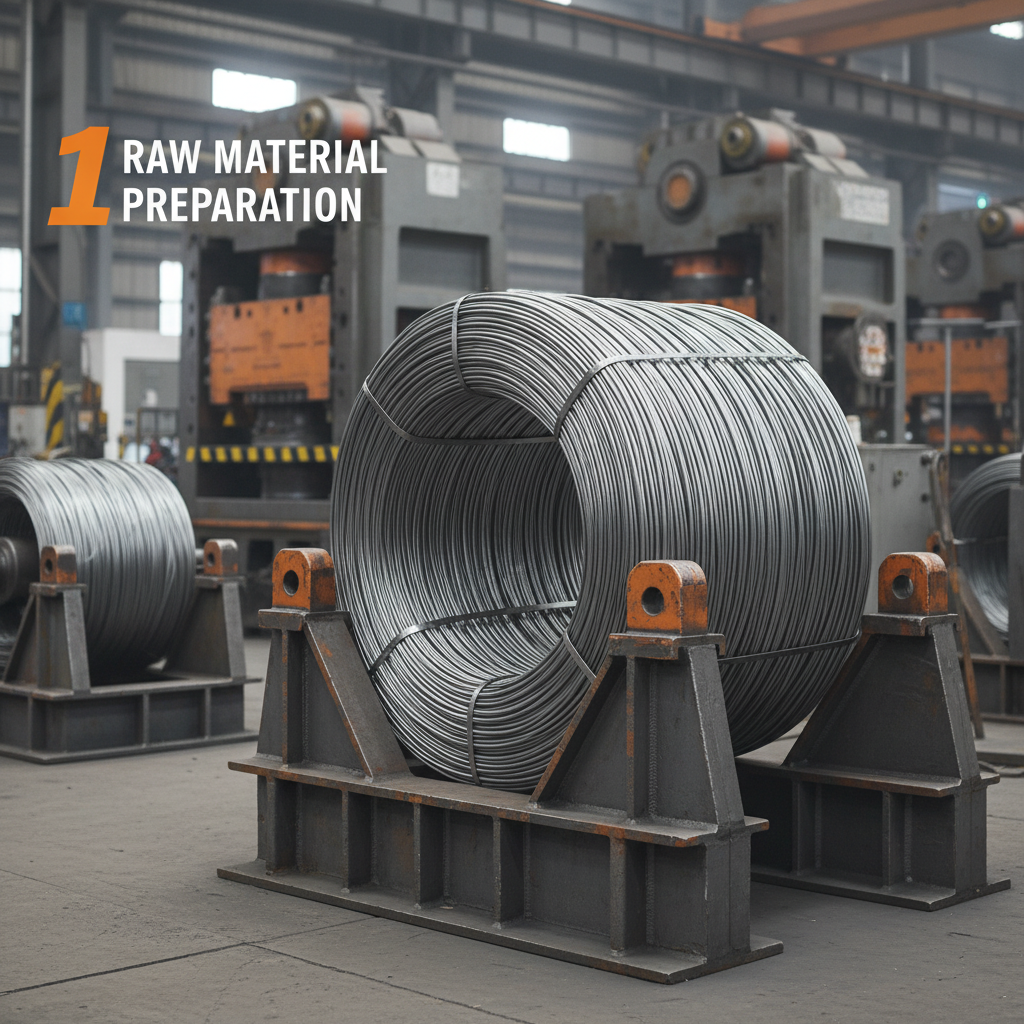
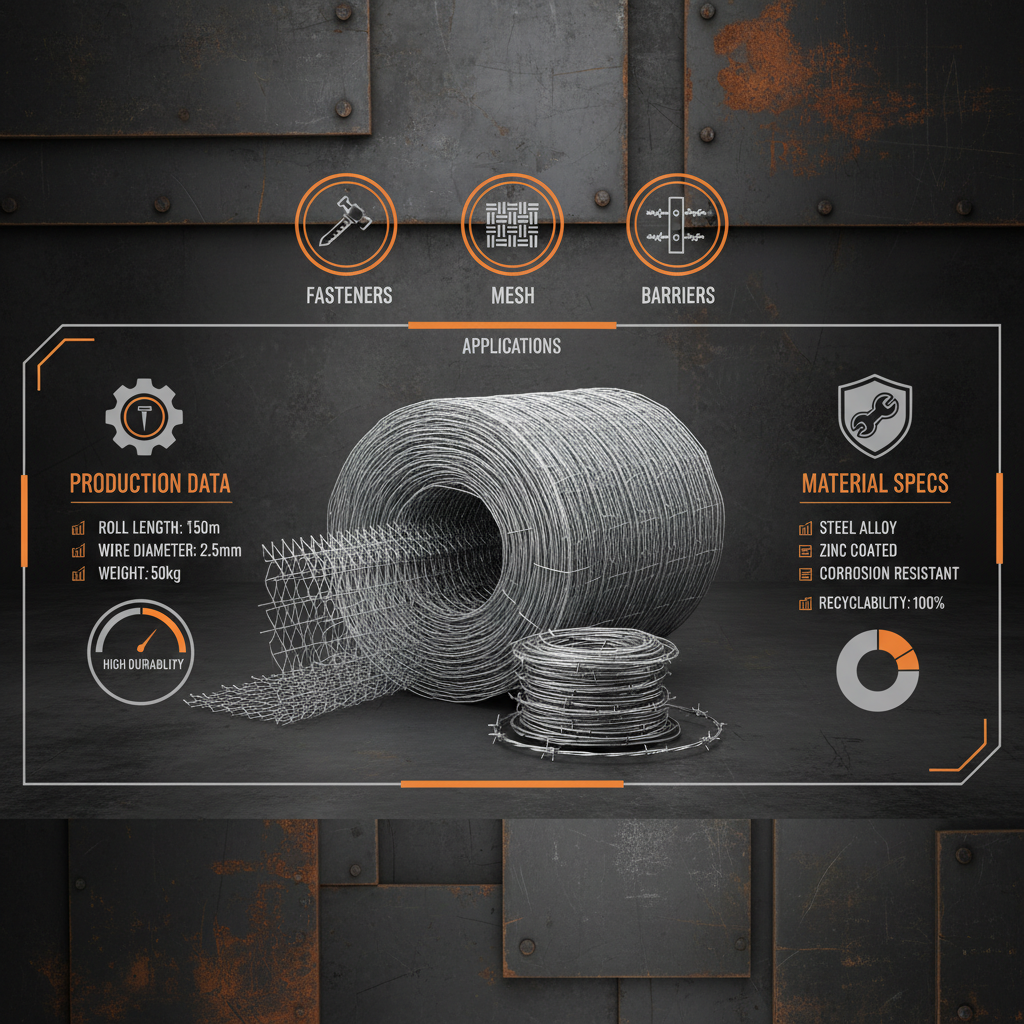
The importance of iron wire roll extends far beyond its simple appearance. It’s a foundational component in countless construction projects, providing essential reinforcement in concrete structures and serving as a key element in fencing and security systems. Its strength and durability make it a reliable material in demanding environments.
Beyond construction, iron wire roll plays a vital role in agriculture, supporting plant growth through trellising and providing secure fencing for livestock. The versatility of this material allows for adaptation to diverse needs and applications across numerous industries, highlighting its widespread significance.
Galvanized iron wire roll is coated with a layer of zinc, providing significant resistance to corrosion and rust. Non-galvanized wire, lacking this protective layer, is more susceptible to environmental degradation. Galvanization extends the lifespan of the wire, especially in outdoor applications, making it suitable for fencing, construction, and agricultural use. The cost of galvanization adds to the initial price, but the long-term benefits of reduced maintenance and replacement often outweigh this expense.
Several factors influence the tensile strength of iron wire roll, including the carbon content of the iron, the manufacturing process, and any heat treatments applied. Higher carbon content generally leads to greater strength, but can reduce ductility. The drawing process, which reduces the diameter of the wire, also increases its tensile strength. Proper annealing – controlled heating and cooling – can optimize both strength and malleability.
Iron wire roll is highly recyclable. It’s typically collected as scrap metal and melted down in electric arc furnaces, where it’s reprocessed into new steel products. Recycling iron significantly reduces the need for virgin iron ore extraction, conserving natural resources and minimizing energy consumption. It also reduces landfill waste and greenhouse gas emissions, contributing to a more sustainable materials cycle.
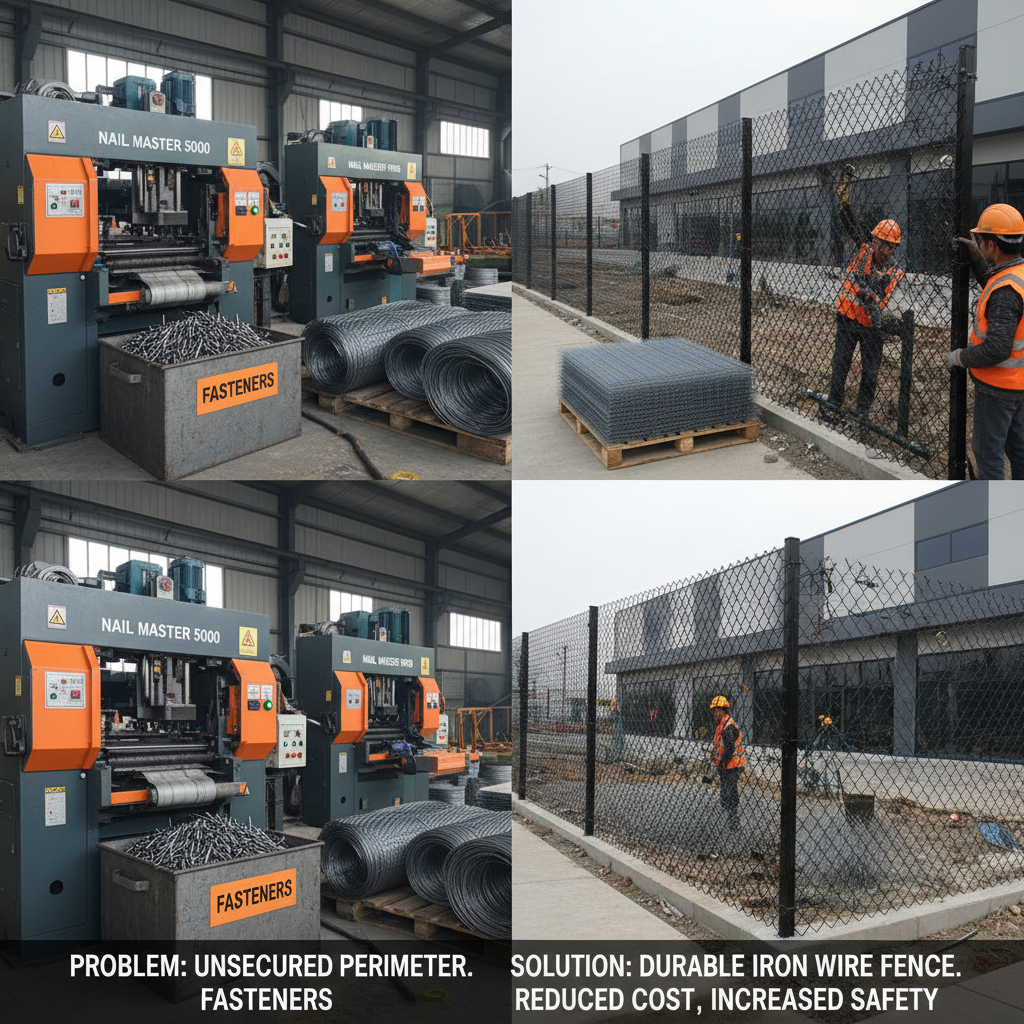
Iron wire roll is widely used in construction for reinforcing concrete, creating welded wire mesh for flooring and walls, and tying rebar together. It's also utilized in the production of nails, staples, and other fasteners. Its strength and durability make it essential for ensuring the structural integrity of buildings and infrastructure projects. Different wire gauges are selected based on the specific load-bearing requirements of the application.
The appropriate gauge of iron wire roll depends on the intended application and the load it needs to bear. Thicker gauges (lower numbers) are stronger and suitable for heavy-duty applications like fencing and concrete reinforcement. Thinner gauges (higher numbers) are appropriate for lighter applications like tying and crafting. It’s crucial to consult engineering specifications or industry standards to ensure the selected gauge meets the required safety and performance criteria.
The lifespan of iron wire roll in outdoor applications varies depending on the environment and whether it’s galvanized. Non-galvanized wire can rust and corrode within a few years, particularly in harsh climates. Galvanized wire, however, can last for decades with minimal maintenance. Factors like humidity, salt exposure, and the presence of pollutants can accelerate corrosion. Regular inspection and preventative measures, such as applying protective coatings, can extend its lifespan.
Iron wire roll, a seemingly simple material, underpins a remarkably diverse range of industries and applications. From the foundations of modern construction and the support of agricultural practices to providing essential components in manufacturing, its versatility, cost-effectiveness, and recyclability make it a cornerstone of global infrastructure and development. Understanding its properties, applications, and emerging trends is crucial for maximizing its potential and ensuring sustainable use.
As we look to the future, innovations in materials science and manufacturing processes promise to enhance the performance and sustainability of iron wire roll. Embracing these advancements – including HSLA steels, automated production, and recycled content – will be vital for addressing the evolving needs of a growing global population. For more information and to explore our range of high-quality iron wire roll products, visit our website: www.ironwirefactory.com