
Jun . 15, 2024 12:40
Back to list
Pet enclosure fence
Cage Fencing A Comprehensive Guide
Cage fencing, also known as aviary netting or bird netting, is a versatile and essential tool for protecting gardens, crops, and other outdoor spaces from unwanted birds. This type of fencing is designed to be installed around the perimeter of an area, creating a barrier that birds cannot easily fly through. In this article, we will explore the various aspects of cage fencing, including its benefits, types, installation methods, and maintenance tips.
Benefits of Cage Fencing
One of the primary advantages of using cage fencing is its effectiveness in keeping birds away from sensitive areas. This is particularly useful for gardeners who want to protect their plants from damage caused by birds feeding on fruits, seeds, and flowers. Additionally, cage fencing can help prevent birds from nesting in trees or other structures, reducing the risk of property damage and potential health hazards associated with bird droppings.
Types of Cage Fencing
There are several types of cage fencing available on the market, each with its own unique features and benefits. Some of the most common types include
1. Monofilament Netting This type of netting is made from a single strand of polyethylene, making it lightweight and easy to handle. It is also very durable and resistant to UV rays, which means it can last for many years without losing its effectiveness.
2. Twine Netting Twine netting is made from woven polyethylene strands, which gives it more strength and durability than monofilament netting. It is also less expensive, making it a popular choice for large-scale installations.
3
3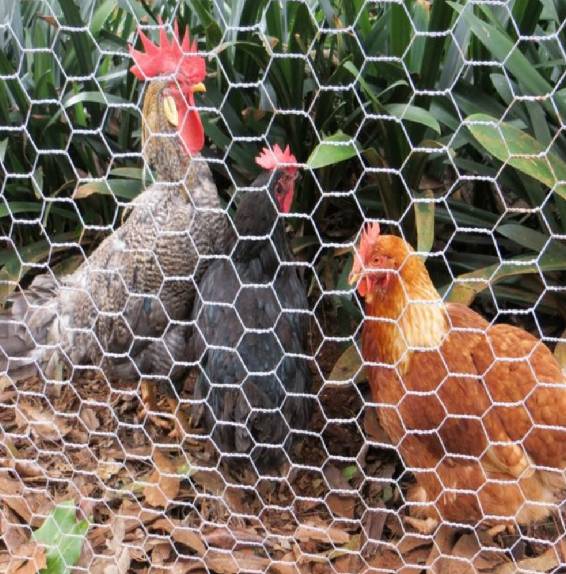 3
3cage fencing. Mesh Netting Mesh netting is similar to twine netting, but it has smaller holes, which makes it more effective at preventing birds from flying through. This type of netting is often used in areas where tighter control is required, such as around fruit orchards or vineyards.
Installation Methods
Installing cage fencing is a relatively simple process that can be done by anyone with basic DIY skills. The first step is to determine the perimeter of the area you want to protect and mark it clearly. Next, unroll the netting and stretch it tightly across the marked area, making sure it is evenly distributed. Finally, secure the netting in place using stakes or tension wires, depending on your specific needs and preferences.
Maintenance Tips
To ensure the longevity and effectiveness of your cage fencing, it is important to follow some basic maintenance guidelines. First, regularly inspect the netting for any tears or damage, and repair or replace any damaged sections immediately. Second, keep the netting clean by removing any debris or bird droppings that may accumulate over time. Finally, make sure to remove the netting at the end of the season to prevent it from becoming tangled or damaged during the off-season.
In conclusion, cage fencing is a highly effective and versatile tool for protecting outdoor spaces from unwanted birds. By choosing the right type of netting and following proper installation and maintenance guidelines, you can enjoy the benefits of a bird-free environment for years to come.
3
3cage fencing. Mesh Netting Mesh netting is similar to twine netting, but it has smaller holes, which makes it more effective at preventing birds from flying through. This type of netting is often used in areas where tighter control is required, such as around fruit orchards or vineyards.
Installation Methods
Installing cage fencing is a relatively simple process that can be done by anyone with basic DIY skills. The first step is to determine the perimeter of the area you want to protect and mark it clearly. Next, unroll the netting and stretch it tightly across the marked area, making sure it is evenly distributed. Finally, secure the netting in place using stakes or tension wires, depending on your specific needs and preferences.
Maintenance Tips
To ensure the longevity and effectiveness of your cage fencing, it is important to follow some basic maintenance guidelines. First, regularly inspect the netting for any tears or damage, and repair or replace any damaged sections immediately. Second, keep the netting clean by removing any debris or bird droppings that may accumulate over time. Finally, make sure to remove the netting at the end of the season to prevent it from becoming tangled or damaged during the off-season.
In conclusion, cage fencing is a highly effective and versatile tool for protecting outdoor spaces from unwanted birds. By choosing the right type of netting and following proper installation and maintenance guidelines, you can enjoy the benefits of a bird-free environment for years to come.
3
3cage fencing. Mesh Netting Mesh netting is similar to twine netting, but it has smaller holes, which makes it more effective at preventing birds from flying through. This type of netting is often used in areas where tighter control is required, such as around fruit orchards or vineyards.
Installation Methods
Installing cage fencing is a relatively simple process that can be done by anyone with basic DIY skills. The first step is to determine the perimeter of the area you want to protect and mark it clearly. Next, unroll the netting and stretch it tightly across the marked area, making sure it is evenly distributed. Finally, secure the netting in place using stakes or tension wires, depending on your specific needs and preferences.
Maintenance Tips
To ensure the longevity and effectiveness of your cage fencing, it is important to follow some basic maintenance guidelines. First, regularly inspect the netting for any tears or damage, and repair or replace any damaged sections immediately. Second, keep the netting clean by removing any debris or bird droppings that may accumulate over time. Finally, make sure to remove the netting at the end of the season to prevent it from becoming tangled or damaged during the off-season.
In conclusion, cage fencing is a highly effective and versatile tool for protecting outdoor spaces from unwanted birds. By choosing the right type of netting and following proper installation and maintenance guidelines, you can enjoy the benefits of a bird-free environment for years to come. Share
Latest news
-
Professional Guide to Choosing Nails for Wooden Fence PanelsNewsApr.16,2026
-
PING HONGLIN WIRE MESH CO.,LTD: African Clients Visit Factory, Deepen Cooperation to Build a Global Quality BenchmarkNewsApr.14,2026
-
Guide to Choosing the Best nails for wood trim for CarpentryNewsApr.09,2026
-
Recognized for Excellence: ANPING HONGLIN WIRE MESH Named Alibaba FY2026 TOP Transaction Merchant, Celebrating 35 Years of Manufacturing HeritageNewsApr.07,2026
-
HONGLIN WIRE MESH Showcases at WORLDBEX Philippines 2026, Earning Strong Recognition from Global Builders & DistributorsNewsApr.07,2026
-
Spanish Client Delegation Visits Our Factory for Exchange, Exploring New Cooperation Opportunities in Welded Wire ProductsNewsApr.07,2026


