
Professional Guide to Choosing Nails for Wooden Fence Panels
Choosing the Best Nails for Wooden Fence Panels: A Professional Guide
Building a durable and aesthetically pleasing fence requires more than just high-quality timber; it demands the right fasteners. Selecting the correct nails for wooden fence panels is critical to ensure that your structure withstands harsh weather conditions, prevents wood splitting, and remains secure for years to come. Many homeowners and contractors make the mistake of using generic nails, only to face rust streaks and loose panels within a few seasons. In this comprehensive guide, we will explore the different types of nails available, their specific applications, and how to choose the most efficient fastening solution for your project to ensure long-term stability.
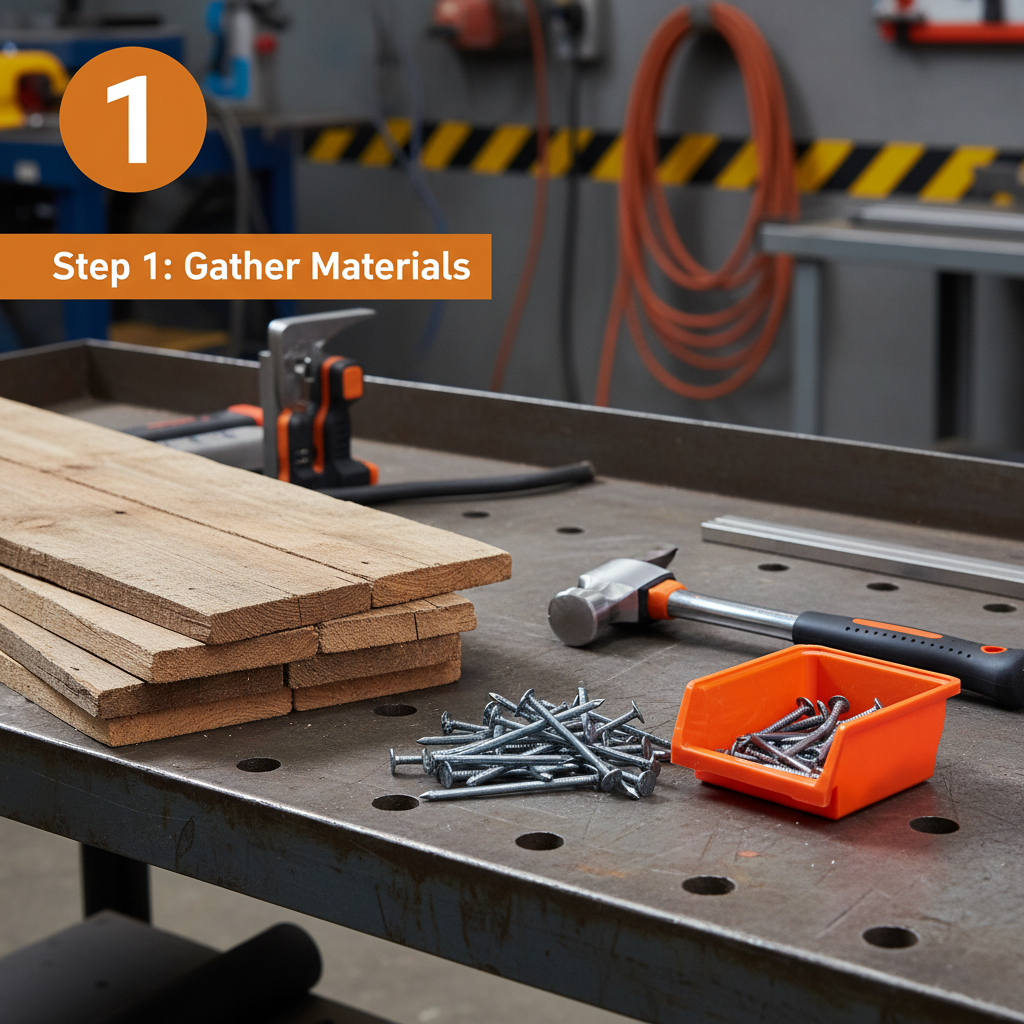
The Importance of Material Coating for Fence Nails
When selecting nails for wooden fence panels, the material coating is the most significant factor in determining the fence's lifespan. Because wooden fences are constantly exposed to rain, humidity, and temperature fluctuations, untreated steel nails will quickly corrode. Hot-dipped galvanized nails are widely considered the industry standard because they provide a thick layer of zinc protection. Alternatively, stainless steel is the premium choice for coastal areas where salt air accelerates corrosion. Using the wrong coating can lead to "nail sickness," where the nail reacts with the tannins in the wood, causing unsightly black streaks to run down your beautiful fence panels.
Pro Tip: Always match your nail material to your wood type. For example, pressure-treated lumber contains chemicals that can eat through standard galvanized coatings; in such cases, high-grade stainless steel is highly recommended.
Comparing Different Types of Nails for Wooden Fence Panels
Not all nails are created equal. Depending on whether you are attaching pickets to rails or securing posts, you will need different shank designs and head styles. Ring shank nails are particularly effective for fencing because the ridges "grip" the wood fibers, making them much harder to pull out than smooth nails. Common nails provide great shear strength but lack the gripping power needed for panels that move with the wind. Understanding these differences allows you to optimize the structural integrity of your fence.
Optimizing Installation for Long-Term Stability
Even the highest quality nails for wooden fence panels can fail if installed incorrectly. One of the most common issues is wood splitting, which occurs when a nail is driven too close to the edge of a picket. To prevent this, professionals often pre-drill small pilot holes, especially in hardwood or very dry timber. Additionally, the placement of nails is key; ensuring that nails are driven straight and flush with the surface prevents moisture from pooling around the nail head, which reduces the risk of localized rotting.
Technical Specifications for Standard Fence Fasteners
When ordering in bulk, it is essential to understand the technical specifications to ensure you have the right size for your project. The length of the nail should typically be three times the thickness of the material being fastened to ensure a secure hold. For standard fence panels, a gauge between 11 and 15 is common, providing a balance between strength and ease of driving. Below is a standard specification table for common fence nail sizes.
Common Mistakes to Avoid When Buying Fence Nails
One of the biggest mistakes buyers make is choosing "Electro-Galvanized" nails over "Hot-Dipped Galvanized" for outdoor use. Electro-galvanized nails have a thinner coating and are intended for indoor use or very sheltered areas. When used for nails for wooden fence panels, they often rust within the first year. Another error is using nails that are too long, which can poke through the other side of the timber, creating a safety hazard and allowing water to penetrate the core of the wood, accelerating rot from the inside out.
Environmental Considerations for Fastener Selection
The environment where your fence is located should dictate your fastener choice. In urban environments with standard pollution, hot-dipped galvanized nails are sufficient. However, if your property is within five miles of the ocean, the salt-laden air will strip zinc coatings rapidly. In these scenarios, Grade 304 or 316 Stainless Steel is the only viable option. While the initial cost is higher, the lifecycle cost is lower because you won't have to replace damaged panels and rusted nails every few years, ensuring your property maintains its value and curb appeal.
Conclusion: Secure Your Investment with Quality Nails
The longevity of your outdoor structure depends on the smallest details. Choosing the right nails for wooden fence panels—considering the coating, shank type, and size—ensures that your fence remains sturdy and beautiful regardless of the weather. By prioritizing materials like hot-dipped galvanization or stainless steel and following professional installation techniques, you can avoid the costly headache of premature fence failure. Invest in quality fasteners today for a worry-free tomorrow.
Frequently Asked Questions (FAQs)
Why should I use ring shank nails instead of smooth nails for my fence?
Ring shank nails feature a series of ridges or "rings" along the shaft. When driven into wood, these rings act like anchors, creating a mechanical bond with the wood fibers. This significantly increases the withdrawal resistance compared to smooth nails, which can slide out as the wood shrinks and expands with the seasons. For fence panels that are exposed to wind loads, ring shank nails are essential to prevent the pickets from loosening over time, ensuring the fence remains tight and secure.
What is the difference between hot-dipped galvanized and electro-galvanized nails?
Hot-dipped galvanizing involves submerging the nail in a vat of molten zinc, creating a thick, durable layer of protection that is highly resistant to corrosion. Electro-galvanizing uses an electrical current to apply a much thinner layer of zinc. While electro-galvanized nails look smoother and are cheaper, they are not designed for outdoor exposure. For any exterior project, especially when using nails for wooden fence panels, hot-dipped galvanized is the minimum requirement to prevent rust.
Will stainless steel nails prevent the black streaks on my cedar fence?
Yes, stainless steel nails are the most effective way to prevent black streaks. Cedar and redwood contain natural tannins that react chemically with zinc (found in galvanized nails) and iron, leading to dark oxidation stains. Stainless steel is chemically inert and does not react with these tannins, making it the ideal choice for high-end wood species. If you want a pristine, streak-free finish on your fence panels, investing in stainless steel fasteners is the best long-term solution.
How many nails should I use per picket?
Generally, it is recommended to use two nails at each point where the picket intersects a horizontal rail. For a standard fence with three rails, this means six nails per picket. Using only one nail per intersection can cause the picket to "cup" or warp because there isn't enough tension to hold the board flat against the rail. Ensuring a consistent nailing pattern not only improves the structural strength but also creates a more uniform and professional appearance across the entire length of the fence.
-
Professional Guide to Choosing Nails for Wooden Fence PanelsNewsApr.16,2026
-
PING HONGLIN WIRE MESH CO.,LTD: African Clients Visit Factory, Deepen Cooperation to Build a Global Quality BenchmarkNewsApr.14,2026
-
Guide to Choosing the Best nails for wood trim for CarpentryNewsApr.09,2026
-
Recognized for Excellence: ANPING HONGLIN WIRE MESH Named Alibaba FY2026 TOP Transaction Merchant, Celebrating 35 Years of Manufacturing HeritageNewsApr.07,2026
-
HONGLIN WIRE MESH Showcases at WORLDBEX Philippines 2026, Earning Strong Recognition from Global Builders & DistributorsNewsApr.07,2026
-
Spanish Client Delegation Visits Our Factory for Exchange, Exploring New Cooperation Opportunities in Welded Wire ProductsNewsApr.07,2026


