The global demand for robust and cost-effective fencing solutions drives significant interest in iron fencing wire price. This isn’t simply about the cost of the wire itself, but encompasses factors like material quality, manufacturing processes, transportation expenses, and regional market dynamics. Understanding these components is crucial for businesses, governments, and individuals seeking secure perimeter solutions, particularly in sectors like agriculture, security, and infrastructure development. The price of iron fencing wire directly impacts project budgets and overall feasibility.
Fluctuations in iron ore prices, global steel production, and geopolitical events all play a role in determining iron fencing wire price. Increased demand from emerging economies, coupled with supply chain disruptions, can lead to price volatility. Conversely, advancements in manufacturing technology and increased competition can help to stabilize or even reduce costs. Monitoring these factors is vital for informed purchasing decisions and effective project planning.
Ultimately, a thorough understanding of iron fencing wire price empowers stakeholders to make strategic choices, optimize resource allocation, and ensure the long-term success of their fencing projects. This knowledge is essential for mitigating risks associated with cost overruns and ensuring a return on investment, especially in large-scale applications such as border security and livestock management.
Introduction to iron fencing wire price
Understanding the nuances of iron fencing wire price is paramount for anyone involved in perimeter security, agricultural enclosure, or infrastructure projects. The cost isn't solely determined by the weight of the wire, but also by its gauge, coating (galvanization, PVC), tensile strength, and manufacturing origin. A comprehensive approach to pricing considers these variables, ensuring optimal value for investment.
The demand for durable and reliable fencing solutions continues to grow globally, prompting manufacturers to innovate and offer a wider range of products at varying price points. Factors such as raw material availability, production efficiency, and transportation costs all contribute to the final iron fencing wire price. Careful analysis of these elements is crucial for making informed purchasing decisions.
Defining iron fencing wire price
Iron fencing wire price refers to the total cost associated with acquiring iron wire specifically designed for constructing fences. This includes not just the per-unit price of the wire itself, but also any applicable taxes, shipping charges, and potential import duties. It’s important to differentiate between the raw material cost of iron and the final price of finished fencing wire, as manufacturing processes significantly add to the overall expense.
The definition of iron fencing wire price also extends to considering different grades and types of iron wire, such as mild steel, high tensile steel, and galvanized iron wire. Each type offers varying levels of strength, corrosion resistance, and cost, impacting the overall project budget. A clear understanding of these distinctions is essential for selecting the appropriate wire for a specific application.
In modern industry, defining iron fencing wire price accurately is critical for accurate cost estimation, project feasibility studies, and competitive bidding processes. It’s a key metric for businesses and organizations relying on effective and affordable perimeter security or enclosure solutions.
Core Components Influencing iron fencing wire price
Several key components significantly influence iron fencing wire price. Firstly, the grade of steel used directly impacts the cost, with higher tensile steel being more expensive due to its superior strength and durability. Secondly, wire gauge (thickness) plays a role; thicker wire inherently costs more. Thirdly, protective coatings, such as galvanization or PVC, add to the price but enhance longevity and corrosion resistance.
Another critical factor is manufacturing location and associated labor costs. Wire produced in regions with lower labor costs may be more affordable. Finally, market demand and supply chain dynamics play a substantial role; periods of high demand or supply shortages invariably lead to price increases.
These components are interconnected, meaning a change in one often affects the others. For instance, opting for high-tensile steel with a robust PVC coating will likely result in a higher overall iron fencing wire price compared to standard mild steel with minimal protection. Understanding this interplay is vital for making informed purchasing decisions.
Global Applications of Iron Fencing
Iron fencing finds widespread application across diverse sectors globally. In agriculture, it’s used extensively for livestock containment, protecting crops from wildlife, and defining property boundaries. In security, iron fencing forms a robust perimeter for residential properties, commercial buildings, and industrial facilities.
Infrastructure projects, such as highway construction and railway lines, utilize iron fencing for safety barriers and demarcation. Government and military applications include border security, protecting sensitive sites, and creating secure zones. In post-disaster relief operations, temporary iron fencing can provide security and establish defined zones.
Regions with significant agricultural economies, like Australia and Argentina, have a high demand for iron fencing. Countries prioritizing border security, like the United States and nations in the Middle East, also represent substantial markets. Industrialized nations worldwide rely on iron fencing for protecting valuable assets and infrastructure.
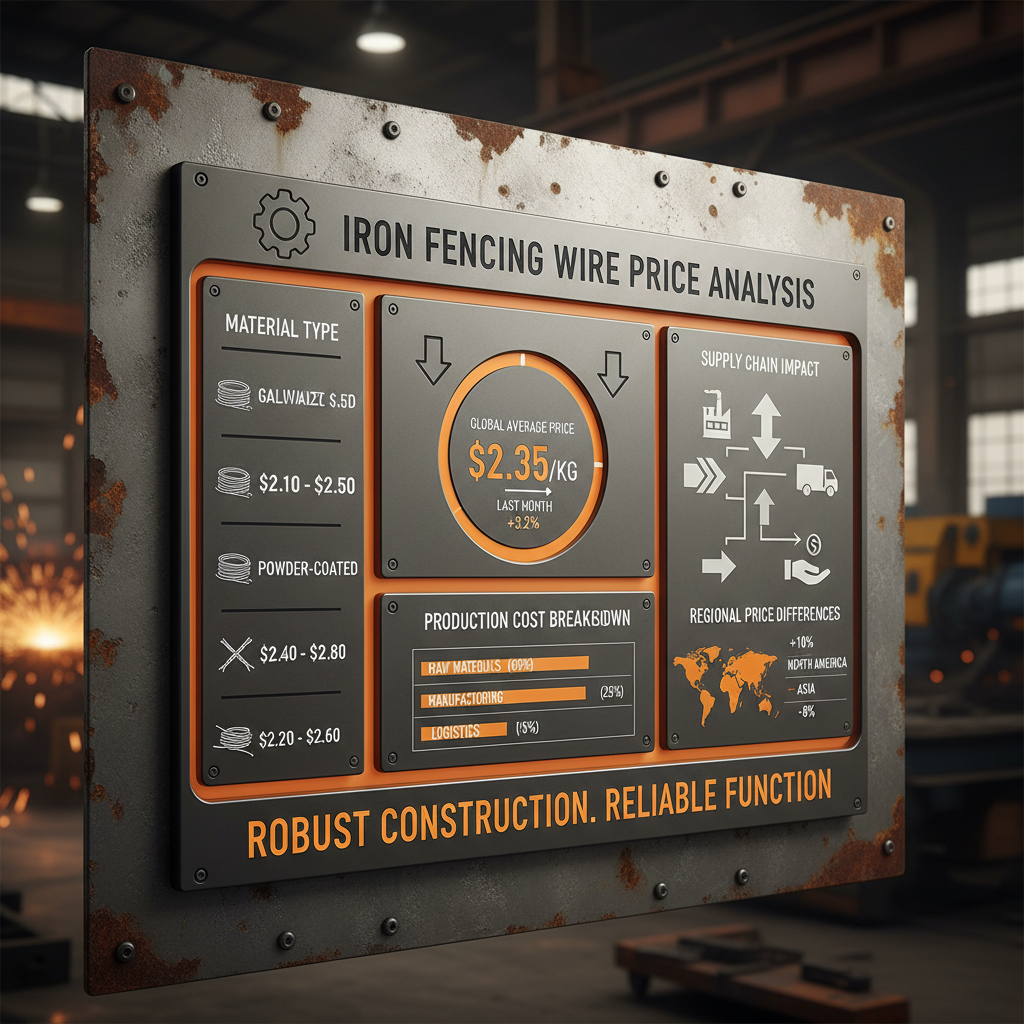
Iron Fencing Wire Price Comparison (per 100 meters)
Advantages & Long-Term Value of Iron Fencing
Iron fencing offers several tangible advantages. It’s significantly more cost-effective than alternatives like wood or aluminum, especially over larger areas. The durability of iron ensures a long lifespan, reducing the need for frequent replacements. It provides robust security, deterring trespassers and protecting property.
Beyond practical benefits, iron fencing offers long-term value through increased property aesthetics and improved land management. A well-maintained iron fence enhances curb appeal, potentially boosting property values. From a sustainability perspective, iron is a recyclable material, minimizing environmental impact compared to some other fencing options.
Future Trends in Iron Fencing Technology
Innovation in iron fencing focuses on enhancing corrosion resistance and reducing maintenance requirements. Advanced coating technologies, such as specialized polymer coatings, are extending the lifespan of iron fences in harsh environments. Automation in manufacturing processes is driving down production costs and improving quality control.
The integration of smart technology, such as sensor-equipped fencing capable of detecting breaches and alerting security personnel, represents a significant future trend. Research into high-strength, lightweight iron alloys promises even greater durability and ease of installation. iron fencing wire price will depend on these innovations.
Challenges & Solutions in Iron Fencing Procurement
A common challenge is price volatility due to fluctuations in the iron ore market. Solutions include establishing long-term supply contracts with reputable manufacturers and hedging against price increases. Another challenge is corrosion, particularly in coastal areas or industrial environments. Employing high-quality galvanization or PVC coatings effectively mitigates this risk.
Logistical challenges, such as transportation costs and potential delays, can also impact iron fencing wire price. Sourcing from regional suppliers and optimizing transportation routes can help to minimize these costs. Finally, ensuring compliance with local building codes and regulations requires careful planning and adherence to industry standards.
Expert advice from experienced fencing contractors can help to navigate these challenges and ensure a successful project. Proper installation techniques are also crucial for maximizing the lifespan and performance of iron fencing.
Summary of Key Challenges and Solutions in Iron Fencing Procurement
| Challenge |
Impact on Iron Fencing Wire Price |
Proposed Solution |
Effectiveness Rating (1-10) |
| Iron Ore Price Volatility |
Directly increases the cost of raw materials |
Long-term supply contracts & Hedging |
8 |
| Corrosion in Harsh Environments |
Reduces fence lifespan, increasing replacement costs |
High-Quality Galvanization/PVC Coatings |
9 |
| Transportation Costs |
Adds to the final delivered price of the wire |
Regional Sourcing & Optimized Routes |
7 |
| Compliance with Regulations |
Potential delays and added costs for non-compliance |
Thorough Planning & Industry Standards Adherence |
9 |
| Supply Chain Disruptions |
Lead times and increased pricing due to availability |
Diversifying Suppliers & Maintaining Inventory |
6 |
| Installation Quality |
Poor installation can reduce fence lifespan |
Professional Installation & Quality Control |
10 |
FAQS
The primary drivers of iron fencing wire price are the grade of steel used (mild steel vs. high tensile), the wire gauge (thickness), the type of protective coating (galvanization, PVC), and the current market price of iron ore. Manufacturing location and transportation costs also contribute significantly. Understanding these variables allows for more informed budget planning.
Galvanization adds to the upfront cost of iron fencing wire, typically increasing the price by 10-20%. However, this investment is often offset by the significantly extended lifespan of the fence due to corrosion resistance. In the long run, galvanized fencing can be more cost-effective than non-galvanized options by reducing maintenance and replacement expenses.
High tensile wire is more expensive initially, but its superior strength allows for greater fence spacing and reduces the need for support posts, potentially lowering overall installation costs. It's particularly valuable in areas with livestock or where security is a concern. The enhanced durability also translates to a longer lifespan, making it a worthwhile investment in many situations.
Consider sourcing materials directly from manufacturers, comparing quotes from multiple suppliers, and opting for a simpler fence design. Exploring regional suppliers can reduce transportation costs. Carefully evaluate the necessity of expensive coatings or high-tensile wire based on your specific needs and budget constraints. iron fencing wire price varies widely.
A properly installed iron fence with adequate corrosion protection (galvanization or PVC coating) can last 20-30 years, or even longer in favorable environments. Regular maintenance, such as cleaning and occasional touch-up painting, can further extend its lifespan. The quality of the initial installation plays a crucial role in determining long-term durability.
Iron is a recyclable material, making it a relatively sustainable fencing option. Choose suppliers committed to responsible manufacturing practices and look for coatings that minimize environmental impact. Properly disposing of any scrap iron during installation and eventual fence removal contributes to a circular economy and reduces landfill waste.
Conclusion
In conclusion, understanding iron fencing wire price requires a comprehensive consideration of material grades, protective coatings, manufacturing processes, and market dynamics. The long-term value extends beyond the initial cost, encompassing durability, security, and potential for increased property value. By carefully evaluating these factors, stakeholders can make informed decisions that optimize resource allocation and ensure project success.
Looking ahead, advancements in coating technology and smart fencing systems promise to further enhance the functionality and lifespan of iron fencing. Staying informed about these trends and proactively addressing challenges related to price volatility and corrosion will be crucial for maximizing the return on investment. For reliable and competitively priced iron fencing wire, visit our website: www.ironwirefactory.com.