Understanding iron fencing wire cost is crucial in a world demanding secure and durable perimeter solutions. From safeguarding residential properties to protecting critical infrastructure, the demand for reliable fencing continues to grow. Effectively managing this cost—considering material quality, installation, and long-term maintenance—is paramount for individuals, businesses, and governments alike. A thorough grasp of the factors influencing iron fencing wire cost empowers informed decision-making, optimizing investment and ensuring lasting protection.
Globally, the fencing market is a multi-billion dollar industry, significantly influenced by factors such as raw material prices (iron ore, steel), manufacturing processes, transportation costs, and regional demand. According to industry reports, the construction sector, a primary driver of fencing demand, is projected to grow steadily in developing economies, particularly in Asia-Pacific and Africa, increasing the importance of understanding the iron fencing wire cost. The escalating need for security due to geopolitical instability and rising crime rates further fuels this demand.
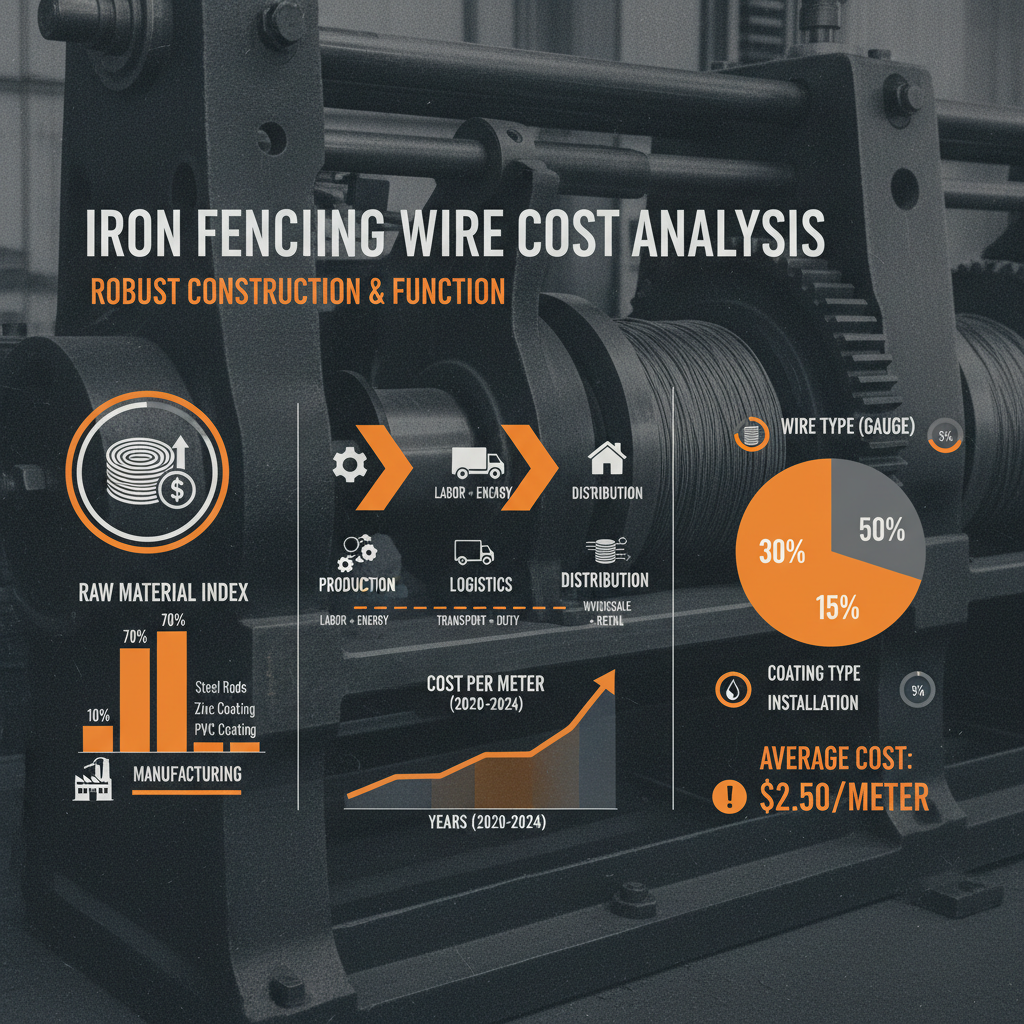
The term "iron fencing wire cost" encompasses all expenses associated with acquiring and installing iron-based fencing. This extends beyond just the price of the wire itself, including labor, posts, gates, hardware, surface treatments (galvanization, powder coating), and transportation. Effectively managing iron fencing wire cost is vital for projects ranging from small residential installations to large-scale commercial or industrial security perimeters. The ability to navigate these costs directly impacts the feasibility and overall success of a fencing project.
The Global Significance of iron fencing wire cost
The global market for iron fencing is strongly correlated with infrastructure development and security concerns. Rapid urbanization and increased demand for secure boundaries drive the need for cost-effective fencing solutions. Understanding the drivers behind iron fencing wire cost is crucial for both suppliers and consumers. Factors like fluctuating raw material prices, geopolitical influences, and regional construction booms directly impact the affordability and accessibility of iron fencing worldwide. iron fencing wire cost plays a key role.
The demand for robust security measures in both developed and developing countries continues to escalate. This is especially true in regions facing social unrest or high crime rates. Iron fencing provides a visible deterrent, contributing to safety and peace of mind. Effective cost management, therefore, is not just an economic consideration but also a factor in public safety and community well-being.
Defining iron fencing wire cost
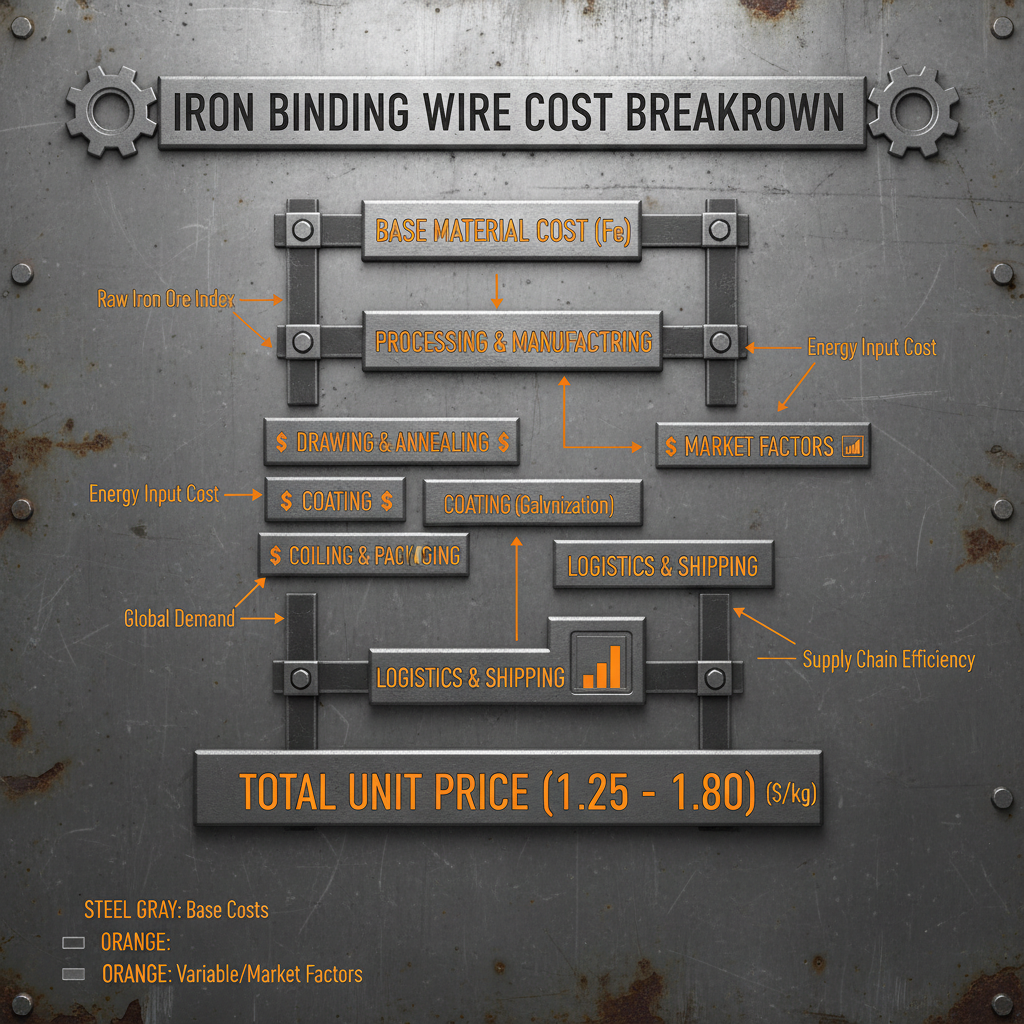
Iron fencing wire cost is a comprehensive metric encompassing all financial outlays related to the procurement and installation of iron-based fencing systems. This isn't merely the price per foot of the wire itself; it incorporates the cost of the iron ore or steel used in its production, manufacturing processes, transportation to the distributor, and ultimately, delivery to the project site. Moreover, it includes the cost of complementary materials like posts, gates, hinges, latches, and any necessary hardware.
Beyond material costs, labor constitutes a significant portion of the overall iron fencing wire cost. Skilled labor is required for proper installation, ensuring the fence's structural integrity and longevity. Furthermore, surface treatments such as galvanization or powder coating add to the cost, but enhance corrosion resistance and extend the fence's lifespan. A comprehensive understanding of these components is vital when evaluating the true cost of an iron fencing project.
In today’s interconnected world, the iron fencing wire cost is impacted by global economic factors and supply chain dynamics. Events like trade wars, raw material shortages, and transportation disruptions can all contribute to price fluctuations. Analyzing these elements is critical for budgeting and project planning, especially for large-scale fencing initiatives.
Core Components Influencing Cost
The type of iron wire used significantly impacts the overall iron fencing wire cost. Mild steel wire is the most affordable option but offers limited corrosion resistance. High-tensile steel wire provides greater strength and durability but comes at a higher price point. Specialized coatings like galvanization (zinc coating) and powder coating further increase the cost, but greatly extend the lifespan of the fence by protecting against rust and environmental damage.
Labor costs vary considerably depending on geographic location, the complexity of the fencing project, and the availability of skilled installers. Complex designs, uneven terrain, or the need for specialized equipment will naturally increase labor expenses. Properly preparing the ground, setting posts securely, and ensuring accurate wire tensioning all require skilled craftsmanship, which influences the final iron fencing wire cost.
Transportation costs are often overlooked but can represent a significant portion of the overall expense, particularly for remote project sites. Fuel prices, distance, and the weight of the materials all contribute to transportation costs. Choosing a local supplier can minimize these expenses, but it’s essential to weigh this against the potential cost savings of sourcing materials from a more distant provider.
Applications Across Industries
Iron fencing finds widespread application across diverse sectors. In residential areas, it provides security for homes and gardens, enhancing property value and peace of mind. Agricultural settings utilize iron fencing to enclose livestock, protect crops, and delineate property boundaries. The iron fencing wire cost in these applications varies based on the scope and required durability.
Industrial and commercial properties rely heavily on iron fencing for perimeter security, protecting assets and preventing unauthorized access. Government facilities, such as schools, parks, and correctional institutions, also utilize iron fencing to ensure public safety. High-security applications often involve specialized fencing systems with enhanced wire gauge and robust locking mechanisms, leading to a higher iron fencing wire cost.
Iron Fencing Wire Cost Breakdown by Application
Advantages and Long-Term Value
Investing in iron fencing offers numerous long-term advantages. Its inherent strength and durability provide a robust and lasting security solution, minimizing the need for frequent repairs or replacements. This translates into lower lifecycle costs compared to less durable fencing materials, making it a cost-effective choice in the long run. The careful consideration of initial iron fencing wire cost provides a foundation for long-term savings.
Iron fencing also enhances property aesthetics, adding a touch of elegance and sophistication. Properly maintained, it can significantly increase property value, representing a solid return on investment. Furthermore, the sustainability of steel—being a highly recyclable material—aligns with environmentally conscious building practices.
Future Trends and Innovation
Innovation in materials science is driving the development of more corrosion-resistant and durable iron alloys, reducing maintenance requirements and extending fence lifespan. Advancements in coating technologies, such as self-healing coatings, promise even greater protection against environmental degradation, ultimately lowering long-term iron fencing wire cost.
Digital technologies are also playing an increasing role in fencing solutions. Smart fencing systems, incorporating sensors and remote monitoring capabilities, offer enhanced security and real-time alerts. Automation in manufacturing processes is improving efficiency and reducing production costs, potentially leading to more affordable iron fencing options.
Challenges and Cost Optimization
Fluctuating raw material prices, particularly for iron ore and steel, pose a significant challenge to maintaining stable iron fencing wire cost. Global supply chain disruptions and geopolitical uncertainties can exacerbate these fluctuations. Effective cost optimization requires strategic sourcing, long-term contracts with suppliers, and careful inventory management.
Skilled labor shortages in some regions can also drive up installation costs. Investing in training programs and promoting the fencing profession can help address this challenge. Adopting standardized installation techniques and pre-fabricated fencing components can further streamline the process and reduce labor expenses, optimizing the overall iron fencing wire cost.
Proper maintenance is crucial for maximizing the lifespan of iron fencing and minimizing long-term costs. Regular inspections, cleaning, and re-coating as needed can prevent corrosion and maintain the fence's structural integrity, providing a sustained return on investment.
Analysis of Factors Impacting Iron Fencing Wire Cost
| Material Grade |
Labor Complexity |
Transportation Distance |
Coating Type & Duration |
| Mild Steel |
Simple, Flat Terrain |
Less than 50 miles |
Basic Galvanization (5 years) |
| High-Tensile Steel |
Moderate, Slight Slopes |
50-200 miles |
Powder Coating (10 years) |
| Weathering Steel |
Complex, Significant Terrain Changes |
200-500 miles |
Duplex System (Galvanization + Powder Coating, 15+ years) |
| Galvanized Steel |
Simple Installation |
Local Supplier |
Standard Galvanization (5-7 years) |
| Stainless Steel |
Complex requiring specialized tools |
International Shipping |
High-Performance Coating (20+ years) |
| Reinforced Steel |
Moderate, requiring multiple installers |
Regional Transport |
Electrostatic Coating (8-10 years) |
FAQS
Several factors contribute to price fluctuations, including the cost of raw materials (iron ore, steel), energy prices, transportation costs, geopolitical events, and supply chain disruptions. Demand and seasonal variations can also play a role. Staying informed about these factors is crucial for budgeting and project planning related to iron fencing wire cost.
The gauge, or thickness, of the iron wire directly impacts both the material cost and the strength of the fence. Thicker wire (lower gauge number) is more expensive per foot but provides greater security and durability. Selecting the appropriate gauge depends on the specific security needs and the intended application, balancing cost with performance.
With regular maintenance, including cleaning, inspection, and re-coating as needed, a properly installed iron fence can last for 50 years or more. The lifespan is heavily influenced by the quality of the materials used, the type of coating applied, and the environmental conditions it’s exposed to. Addressing rust and corrosion promptly is key to extending its life and optimizing the initial iron fencing wire cost.
While DIY installation can potentially save on labor costs, it requires specific skills and tools to ensure a structurally sound and secure fence. Improper installation can lead to premature failure, costly repairs, and even safety hazards. It's important to assess your skill level and consider the potential risks before attempting a DIY installation.
Galvanization (zinc coating) is a standard and effective surface treatment that provides excellent corrosion resistance. Powder coating adds an additional layer of protection and comes in a variety of colors. A duplex system, combining galvanization with powder coating, offers the highest level of corrosion protection and is recommended for harsh environments, justifying the increased iron fencing wire cost.
To obtain accurate quotes, provide detailed specifications to multiple suppliers, including the length and height of the fence, terrain conditions, desired style, coating type, and any specific security requirements. Clarify what the quote includes (materials, labor, installation) and ask about potential hidden costs. Comparing multiple quotes will help you negotiate the best price.
Conclusion
Iron fencing remains a vital component of security and property delineation, offering a durable and aesthetically pleasing solution. Understanding the multifaceted factors that influence iron fencing wire cost – from raw material prices and labor rates to surface treatments and installation complexity – empowers informed decision-making and ensures optimal value for investment. By carefully considering these elements, homeowners, businesses, and government entities can secure reliable and long-lasting fencing systems.
Looking ahead, advancements in materials science, coating technologies, and automation promise to further enhance the performance and affordability of iron fencing. Proactive maintenance, strategic sourcing, and a commitment to quality craftsmanship will continue to be essential for maximizing the lifespan and return on investment. For all your iron fencing needs and to discuss your project's specific requirements, visit our website: www.ironwirefactory.com.