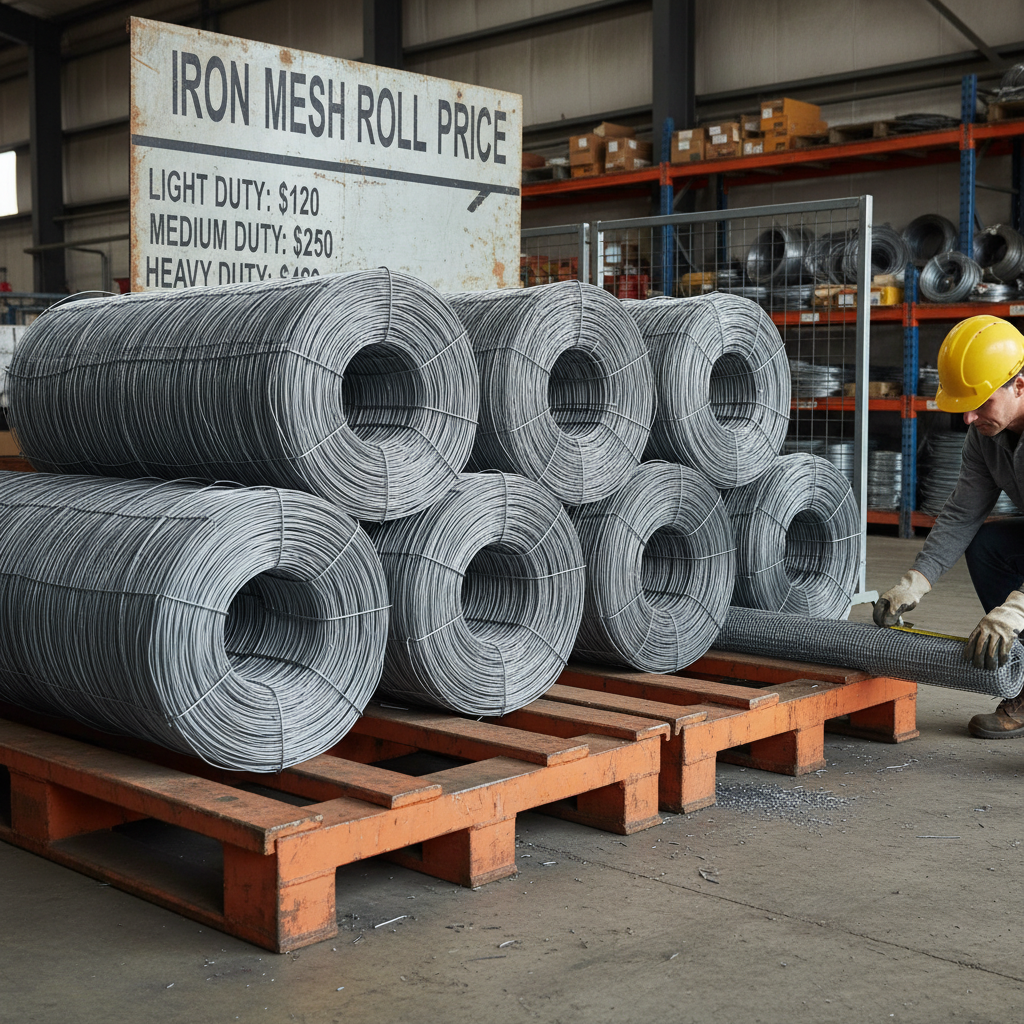
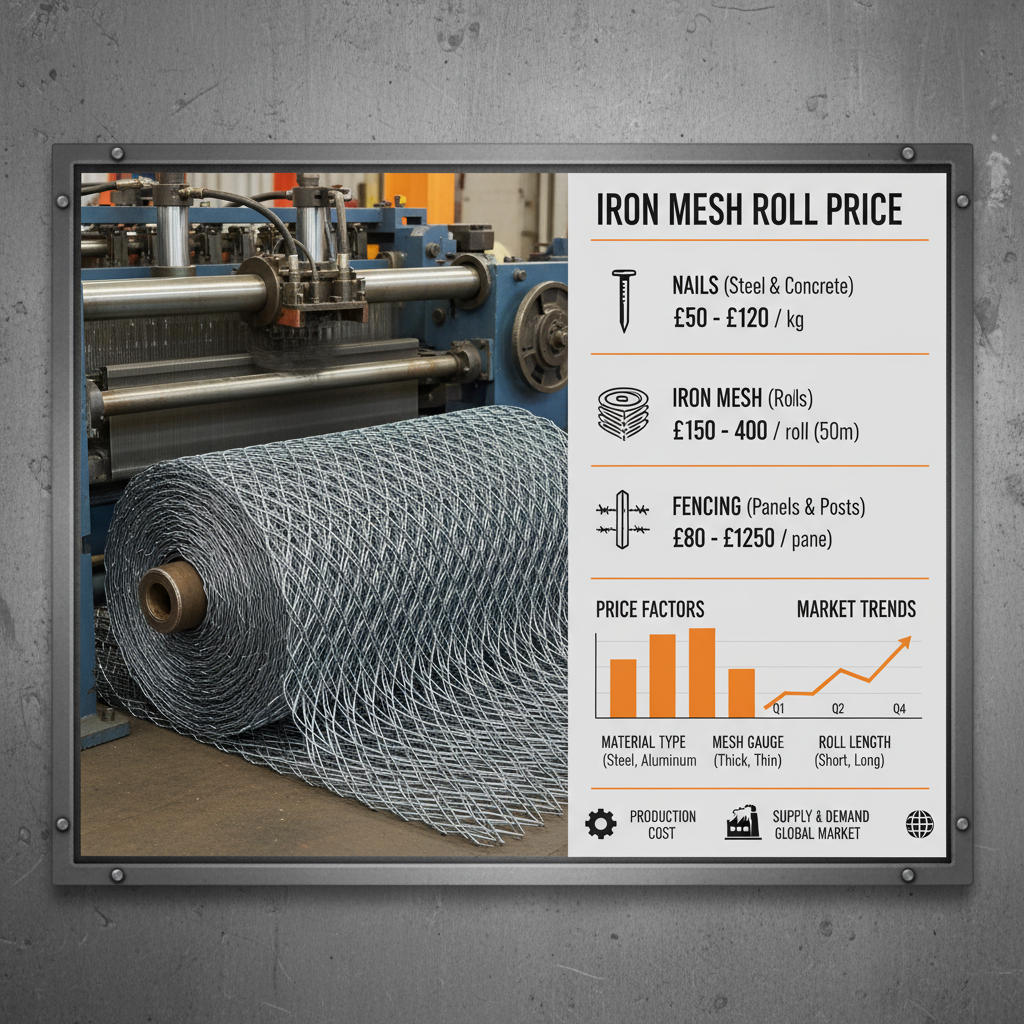
The global demand for robust and cost-effective construction and security materials has driven increasing attention to iron mesh roll price. This isn’t just about the cost per roll; it’s a critical component in infrastructure projects, disaster relief, agricultural applications, and industrial safety. Understanding the factors influencing iron mesh roll price is essential for efficient procurement, project budgeting, and ensuring the quality and longevity of installations.
Fluctuations in raw material costs, manufacturing processes, and global supply chain dynamics significantly impact the iron mesh roll price. Countries heavily reliant on imports for iron ore or finished mesh products are particularly vulnerable to price volatility. Furthermore, the increasing emphasis on sustainable manufacturing and responsible sourcing is also influencing pricing structures, with eco-friendly options often commanding a premium.
Ultimately, a comprehensive understanding of the iron mesh roll price landscape empowers businesses, governments, and organizations to make informed decisions, mitigate risks, and optimize their investments in essential infrastructure and safety solutions. This knowledge extends to selecting the appropriate mesh size, wire gauge, and coating for specific applications, all impacting the final cost-effectiveness.
The Significance of iron mesh roll price
The importance of understanding iron mesh roll price extends beyond simple budgeting. It's a critical factor in ensuring project feasibility and long-term cost-effectiveness. For example, a seemingly small difference in price per roll can translate to significant savings on large-scale infrastructure projects, allowing for better resource allocation and potentially expanding project scope.
Furthermore, the price point often correlates with the quality of the materials used and the manufacturing processes employed. Investing in higher-quality mesh, even at a slightly higher iron mesh roll price, can result in increased durability, reduced maintenance costs, and enhanced safety – factors that contribute to long-term value.
Defining Iron Mesh Roll Price
Iron mesh roll price refers to the total cost associated with purchasing a roll of woven or welded iron wire mesh. This price is determined by a combination of factors, including the type of metal (typically galvanized steel, stainless steel, or plain steel), the wire gauge (thickness), the mesh aperture (size of the openings), the roll width and length, and any protective coatings applied.
The price is often quoted per square foot or per roll, and can vary significantly depending on the supplier, quantity ordered, and current market conditions. It’s crucial to specify the precise requirements when requesting a quote to ensure accurate comparison and avoid unexpected costs. The connection to modern industry lies in its foundational role in construction, security, and manufacturing.
Understanding iron mesh roll price isn’t just a financial consideration. In humanitarian contexts, for example, the affordability of mesh directly impacts the ability to provide safe and secure shelters in disaster-stricken areas or establish effective fencing for refugee camps.
Core Components Influencing iron mesh roll price
Several key components directly influence the iron mesh roll price. The primary driver is the cost of raw materials, particularly iron ore and steel. Fluctuations in these commodity markets have a cascading effect on the price of finished mesh products. The type of steel used – galvanized, stainless, or mild steel – also plays a significant role, with stainless steel generally commanding a higher price due to its corrosion resistance.
Manufacturing processes also contribute to the overall cost. Welded mesh is typically less expensive to produce than woven mesh, impacting the iron mesh roll price accordingly. The labor involved, energy consumption, and quality control measures all add to the production expenses. Furthermore, specialized coatings, such as PVC or epoxy, designed to enhance corrosion resistance or provide aesthetic appeal, will increase the price.
Finally, transportation costs, import duties, and supplier margins all contribute to the final iron mesh roll price. Suppliers with streamlined logistics and strong relationships with raw material providers can often offer more competitive pricing. Considering the entire supply chain is crucial when evaluating different quotes.
Practical Applications & How Price Factors In
The choice of iron mesh and its price point is highly dependent on the intended application. For example, in agricultural fencing designed to contain livestock, a lower iron mesh roll price galvanized steel mesh might be sufficient. However, in high-security applications, such as prison fencing or airport perimeters, a higher-grade stainless steel mesh with a correspondingly higher price is essential to ensure long-term security and corrosion resistance.
Construction projects also necessitate careful consideration. In concrete reinforcement, the iron mesh roll price must be balanced against the required tensile strength and durability. Using a cheaper mesh might compromise the structural integrity of the concrete, leading to costly repairs or even failure.
iron mesh roll price Comparison by Application
Global Applications of Iron Mesh
Iron mesh finds widespread application across diverse sectors globally. In agriculture, it's used for livestock fencing, poultry netting, and crop protection. Construction utilizes it for concrete reinforcement, plastering keys, and facade cladding. Industrial applications include screening, ventilation, and machine guarding. The security industry employs it for perimeter fencing, cages, and security doors.
Regions with significant agricultural activity, such as South America and Southeast Asia, represent substantial markets for iron mesh. Rapid urbanization in developing countries drives demand for construction-related applications. Furthermore, post-disaster relief efforts frequently rely on iron mesh for constructing temporary shelters and reinforcing damaged infrastructure.
Advantages and Long-Term Value
Choosing the right iron mesh offers numerous advantages. Its durability and resistance to corrosion (particularly with galvanized or stainless steel options) minimize maintenance and replacement costs, delivering long-term value. It provides robust security, deterring intrusion and protecting assets. The relative ease of installation further contributes to cost savings.
From a sustainability perspective, steel is a highly recyclable material, minimizing environmental impact. The inherent strength and stability of iron mesh contribute to safer structures and working environments. Investing in quality mesh builds trust and demonstrates a commitment to lasting performance.
Future Trends and Innovations
The future of iron mesh technology is driven by a focus on sustainability, innovation, and enhanced performance. Research and development efforts are centered on developing lighter-weight, high-strength alloys that reduce material consumption and transportation costs. Smart mesh systems incorporating sensors for security monitoring and structural health assessment are also gaining traction.
The adoption of automation in mesh manufacturing processes is improving efficiency and reducing production costs. Furthermore, the integration of digital technologies, such as Building Information Modeling (BIM), allows for more precise mesh design and installation, minimizing waste and optimizing performance. Green manufacturing practices and the use of recycled materials are becoming increasingly prevalent.
Summary of Core Challenges and Solutions in Iron Mesh Utilization
| Challenge |
Impact on iron mesh roll price |
Potential Solution |
Expected Cost Change |
| Raw Material Price Volatility |
Increased iron mesh roll price, unpredictable budgeting |
Long-term contracts with suppliers, diversification of sourcing |
-5% to -10% |
| Corrosion in Harsh Environments |
Higher material costs (stainless steel), frequent replacements |
Advanced coatings (epoxy, PVC), use of corrosion-resistant alloys |
+2% to +8% initial, -15% lifecycle |
| Labor-Intensive Installation |
Increased project costs, potential for errors |
Pre-fabricated mesh panels, automated installation tools |
-8% to -12% |
| Supply Chain Disruptions |
Delayed projects, increased iron mesh roll price due to scarcity |
Local sourcing, strategic inventory management |
-3% to -7% |
| Lack of Standardization |
Difficult comparisons, potential quality issues |
Adoption of industry standards (ISO, ASTM) |
-2% to -5% due to improved transparency |
| Waste During Fabrication |
Increased material costs, environmental impact |
Optimized cutting techniques, use of BIM for precise design |
-4% to -9% |
FAQS
Several factors combine to influence the iron mesh roll price. The primary drivers include the cost of raw materials like steel and iron ore, the type of metal used (galvanized, stainless, or mild steel), the wire gauge, the mesh aperture, and the roll dimensions. Manufacturing processes, protective coatings, transportation costs, and supplier margins also contribute to the final price. Current market demand and global supply chain conditions play a role as well.
Generally, smaller mesh apertures require more wire and a more intricate weaving or welding process, increasing the manufacturing cost. Therefore, meshes with smaller openings tend to have a higher iron mesh roll price than those with larger apertures. However, the type of metal and its coating also influence the final price considerably.
Stainless steel mesh is significantly more expensive than galvanized steel mesh. This is due to the higher cost of stainless steel alloys, which offer superior corrosion resistance and longevity. Galvanized steel provides a protective zinc coating, but it's not as durable as stainless steel in harsh environments. The application's required lifespan and environmental conditions dictate which material offers the best value, considering both initial iron mesh roll price and long-term maintenance costs.
Yes, most suppliers offer discounts on bulk orders. The size of the discount typically depends on the quantity ordered and the supplier's pricing structure. Negotiating with your supplier is always recommended, especially for large-scale projects. Providing accurate quantity estimations can lead to better pricing options and ensure timely delivery.
Beyond the initial iron mesh roll price, consider potential hidden costs such as shipping, handling, installation, and any necessary cutting or fabrication. Protective gear for installation, fasteners (screws, nails, clips), and specialized tools may also add to the overall project cost. Thorough planning and accurate estimations can help you avoid unexpected expenses.
Coatings like PVC or epoxy add to the iron mesh roll price but significantly enhance corrosion resistance and extend the lifespan of the mesh, particularly in harsh environments. While the initial cost is higher, the reduced need for replacements and maintenance can result in long-term cost savings. Choosing the appropriate coating depends on the application and the expected environmental exposure.
Conclusion
In conclusion, the iron mesh roll price is a multifaceted metric influenced by a range of factors from raw material costs and manufacturing processes to application-specific requirements and market dynamics. Understanding these intricacies empowers informed decision-making, optimizing project budgets, and ensuring the selection of the most suitable mesh for its intended purpose. This isn’t simply about finding the cheapest option; it’s about maximizing long-term value through durability, safety, and sustainability.
Looking ahead, the iron mesh industry will continue to evolve with advancements in materials science, manufacturing automation, and digital integration. Embracing these innovations and prioritizing sustainable practices will be crucial for meeting the growing global demand for cost-effective and environmentally responsible solutions. For reliable sourcing and competitive iron mesh roll price options, visit our website: www.ironwirefactory.com