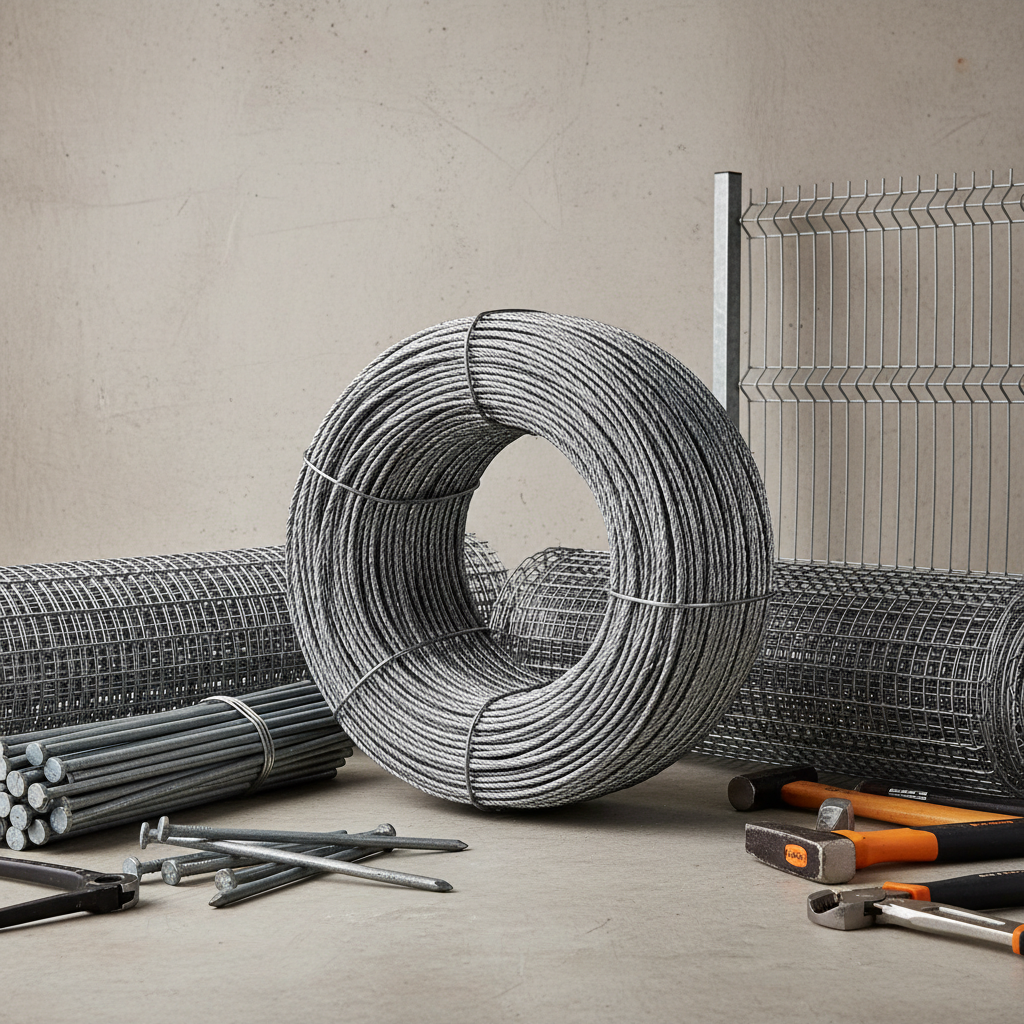
Iron mesh roll, a versatile material comprised of interwoven metallic strands, plays a critical role in a surprisingly broad spectrum of industries and applications globally. From robust construction and agricultural reinforcement to sophisticated security systems and even artistic endeavors, its unique properties – strength, durability, and adaptability – make it an indispensable component of modern infrastructure and innovation. Understanding its capabilities, manufacturing processes, and evolving applications is paramount for professionals across numerous fields, and increasingly crucial for addressing challenges related to rapid deployment and sustainable construction.
The global demand for iron mesh roll is experiencing steady growth, driven by increasing urbanization, infrastructure development in emerging economies, and the escalating need for security measures worldwide. According to a report by the World Steel Association, global steel demand is projected to continue rising, impacting the production and consumption of materials like iron mesh roll. This rise is particularly pronounced in Asia-Pacific, where significant investment in construction and manufacturing fuels demand. However, challenges remain in ensuring sustainable production practices and responsible sourcing of raw materials.
The inherent properties of iron mesh roll address many contemporary challenges. It provides a cost-effective, scalable, and relatively lightweight solution for fencing, reinforcement, filtration, and protection. Its resistance to corrosion, particularly when galvanized or coated, enhances its longevity and reduces maintenance costs. Furthermore, the growing demand for rapid deployment solutions, especially in disaster relief and temporary infrastructure, is driving innovation in iron mesh roll design and application.
Introduction to Iron Mesh Roll
Iron mesh roll is fundamentally a woven or welded grid of iron wires, offering exceptional structural integrity and a high strength-to-weight ratio. Its versatility stems from the varied weaving patterns, wire gauges, and coatings available, allowing for customization based on specific application requirements. This makes it a critical component in numerous fields, providing both functional and aesthetic solutions.
The proliferation of iron mesh roll reflects a broader trend toward efficient, adaptable, and cost-effective material solutions. As industries seek to optimize their processes and reduce material waste, iron mesh roll offers a compelling alternative to solid materials, often requiring less material to achieve comparable strength and stability. This characteristic supports sustainability initiatives and contributes to a circular economy.
Defining Iron Mesh Roll
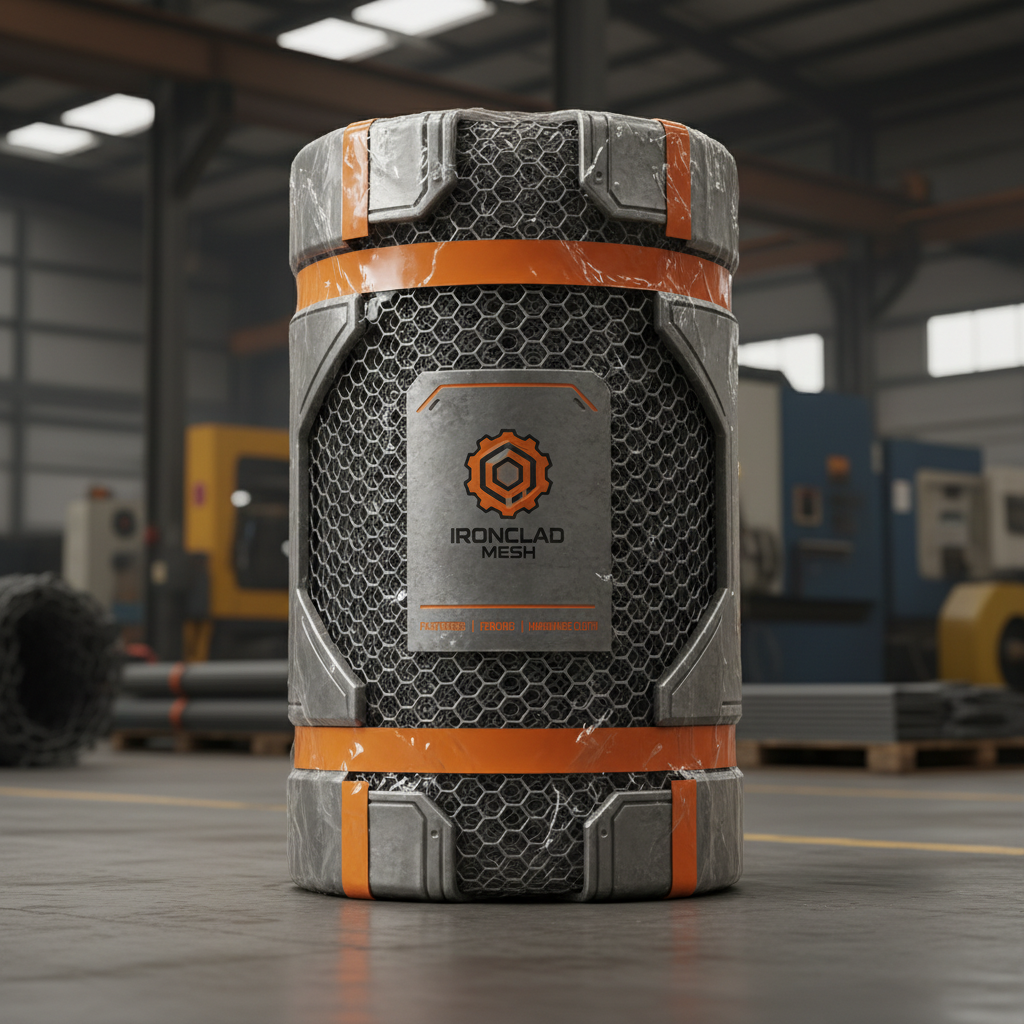
At its core, iron mesh roll is a fabricated material made from interlocking or fusing iron wires to create a mesh-like structure. The ‘roll’ designation signifies its typical method of delivery – wound onto a spool for convenient handling and deployment. It differs from sheet metal in its open structure, granting it properties like permeability, flexibility, and a reduced overall weight.
This material finds crucial application in modern industrial needs, from securing perimeters and providing structural reinforcement to facilitating filtration and offering protective barriers. In humanitarian contexts, iron mesh roll is used in rapid deployment housing, animal enclosures, and temporary fencing, addressing immediate needs in disaster-stricken areas or refugee camps.
Understanding the difference between various types of iron mesh roll is crucial. Welded mesh, for example, provides a more rigid and uniform structure, while woven mesh offers greater flexibility and conformability. Galvanization, PVC coating, or other surface treatments further enhance its durability and resistance to environmental factors, broadening its application range.
Core Properties of Iron Mesh Roll
Several key properties define the functionality and value of iron mesh roll. First, its strength and durability are paramount, allowing it to withstand significant tensile forces, impact, and environmental stressors. This characteristic is crucial in applications like security fencing and animal enclosures.
Secondly, versatility is a defining feature. The ability to manipulate wire gauge, mesh size, and coating materials allows for customization to meet a wide variety of specific requirements. This adaptability extends to fabrication techniques, allowing for cutting, bending, and welding into complex shapes.
Thirdly, iron mesh roll is remarkably cost-effective. Compared to solid metal alternatives, it requires less material to cover a given area, reducing material costs and overall project budgets. This affordability makes it an attractive option for large-scale projects and applications where budget constraints are a concern.
Practical Applications Across Industries
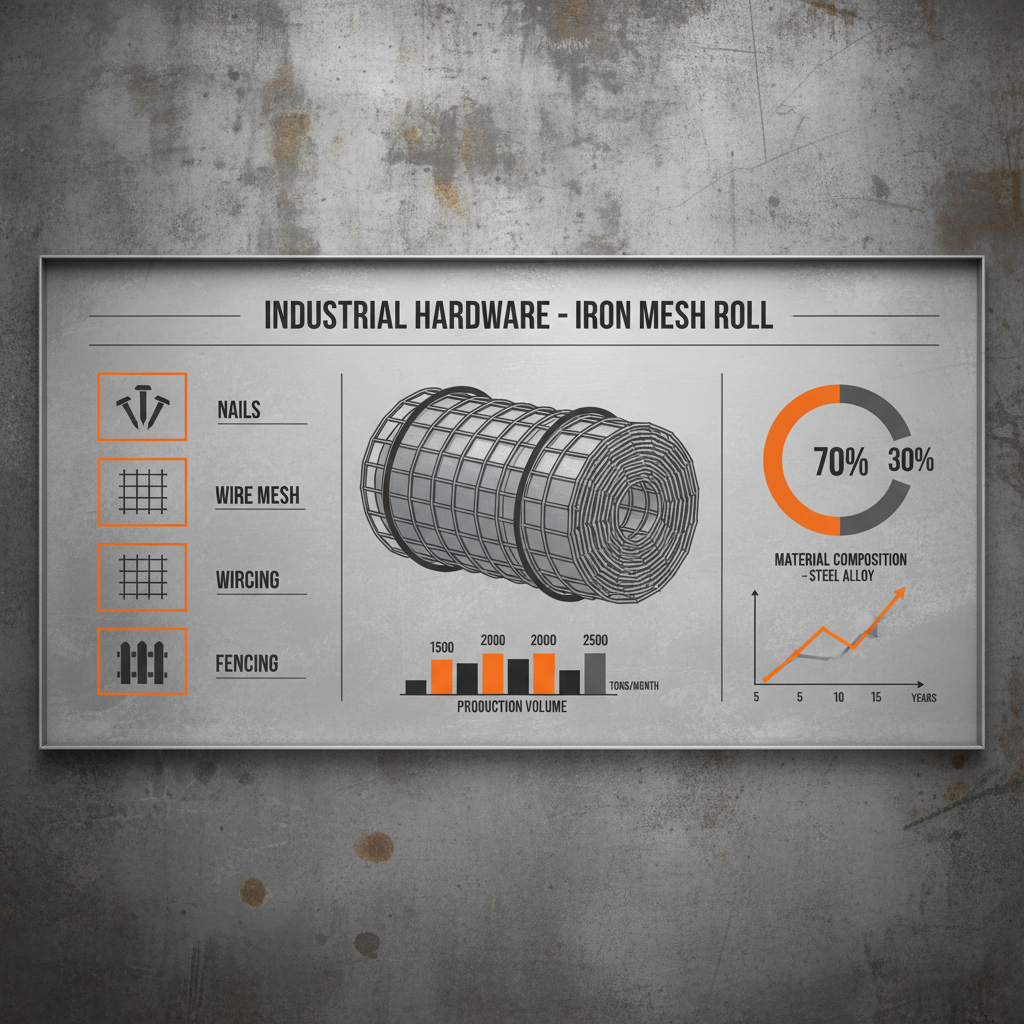
The applications of iron mesh roll are remarkably diverse. In the construction industry, it's used as reinforcement in concrete, creating stronger and more durable structures. It’s also a vital component in prefabricated fencing solutions, offering perimeter security and aesthetic appeal.
The agricultural sector relies heavily on iron mesh roll for animal enclosures, protecting livestock from predators and containing them safely. It’s also employed in greenhouse construction, providing support for climbing plants and protecting crops from harsh weather conditions.
Iron Mesh Roll Application Ratings
Global Usage and Market Impact
The demand for iron mesh roll is most prominent in regions undergoing rapid infrastructure development, such as Asia-Pacific, Latin America, and Africa. These regions are witnessing a surge in construction projects, driving the need for cost-effective and durable building materials.
North America and Europe represent established markets, with consistent demand driven by renovation projects, security concerns, and the agricultural sector. Furthermore, the increasing focus on sustainable construction practices is fostering innovation in eco-friendly iron mesh roll products, such as those utilizing recycled materials.
Advantages and Long-Term Value
The benefits of utilizing iron mesh roll extend beyond immediate cost savings. Its long-term durability translates to reduced maintenance costs and increased lifespan, providing significant value over time. This durability also contributes to sustainability by minimizing the need for frequent replacements.
From a societal perspective, iron mesh roll provides security and protection, fostering a sense of safety and well-being. In disaster relief efforts, it offers a rapid and cost-effective solution for temporary shelters and perimeter security, helping to restore stability and dignity in affected communities.
Furthermore, the continued innovation in iron mesh roll manufacturing and coating technologies promises even greater advantages in the future, including enhanced corrosion resistance, improved aesthetics, and reduced environmental impact. This ongoing evolution ensures its continued relevance and value in a changing world.
Future Trends and Innovations in Iron Mesh Roll
Several emerging trends are poised to reshape the iron mesh roll industry. The development of high-strength steel alloys will lead to lighter and more durable mesh products, expanding their application potential. Furthermore, advancements in coating technologies will offer improved corrosion resistance and aesthetic options.
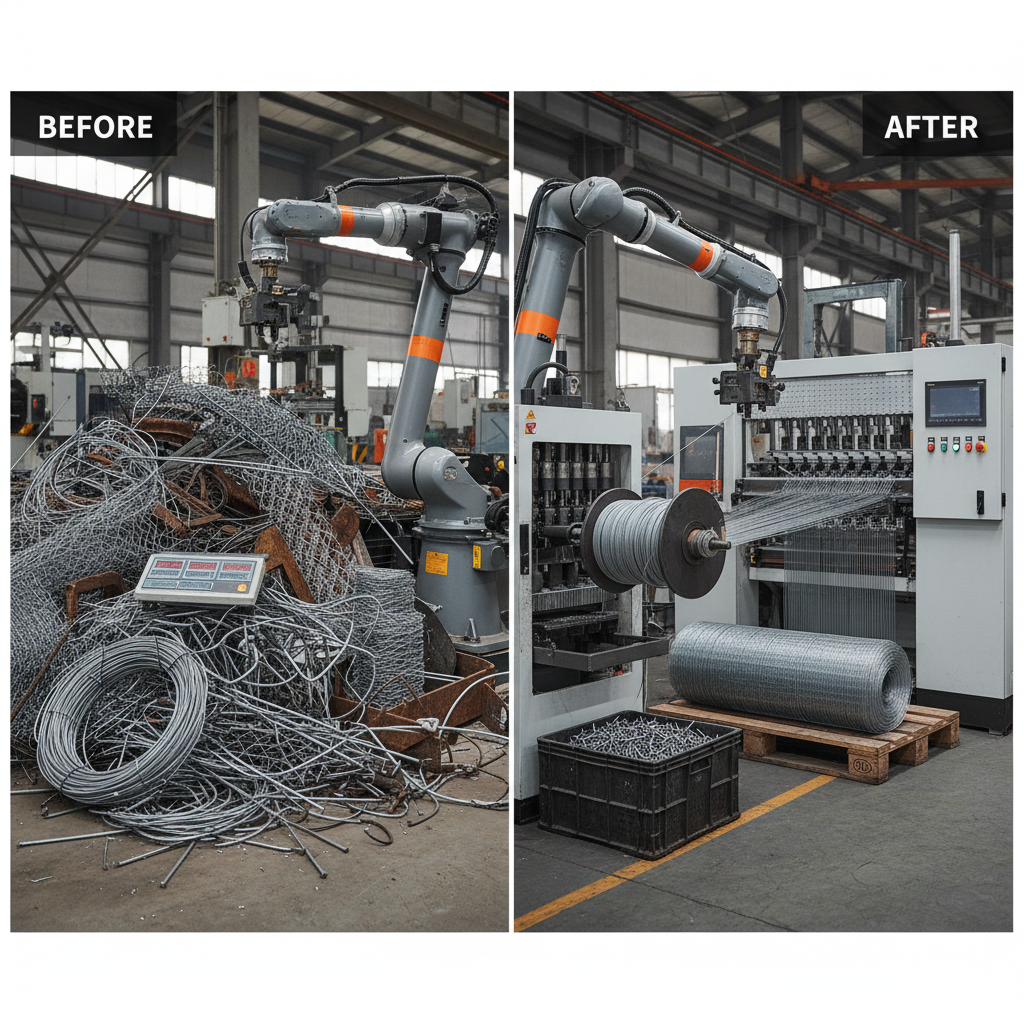
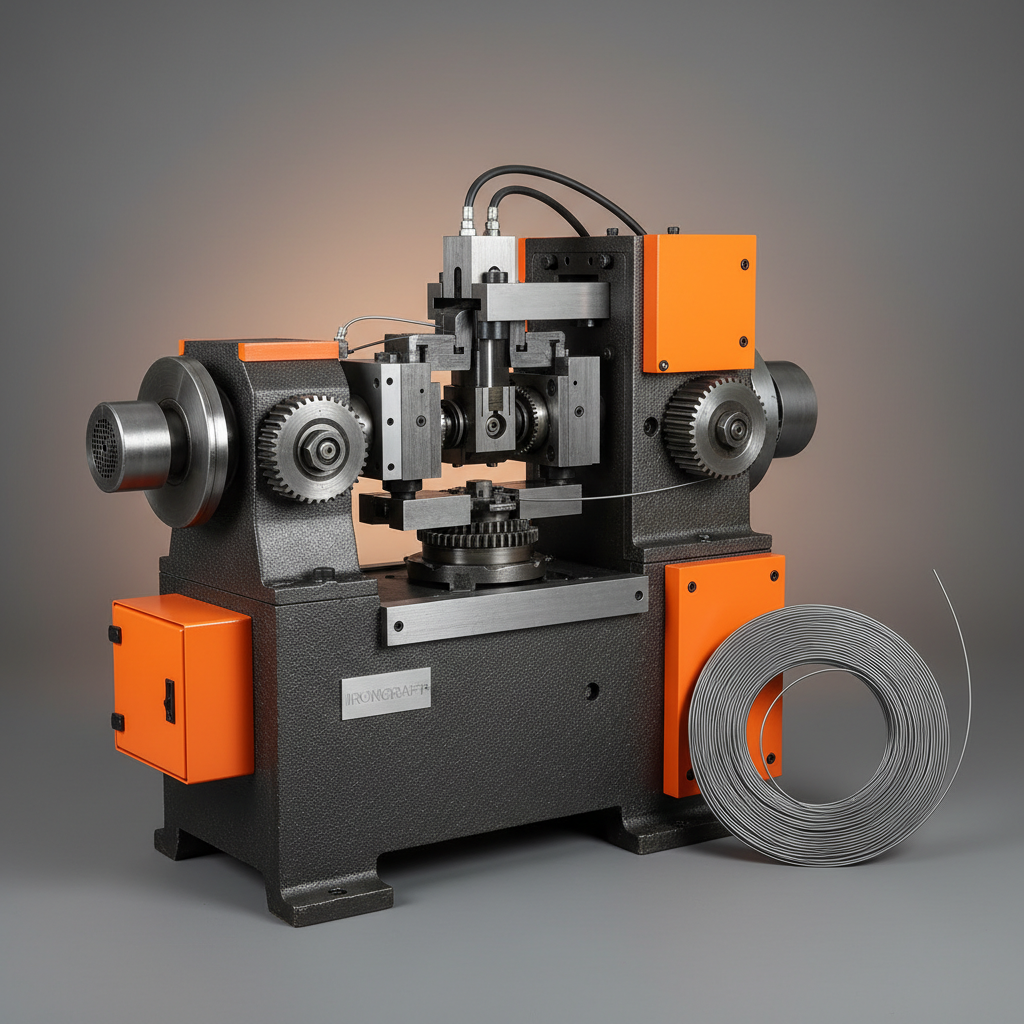
The integration of digital technologies, such as automated welding and robotic fabrication, will enhance production efficiency and precision, reducing manufacturing costs and improving product quality. The growing emphasis on sustainability will drive the demand for recycled iron mesh roll and eco-friendly manufacturing processes.
Finally, the exploration of innovative weaving patterns and mesh designs will unlock new functionalities, such as improved filtration capabilities and enhanced structural performance. These advancements will solidify iron mesh roll's position as a versatile and indispensable material for a wide range of applications.
Summary of Challenges and Potential Solutions Related to Iron Mesh Roll
| Challenge |
Impact on Iron Mesh Roll |
Potential Solution |
Implementation Difficulty (1-5) |
| Corrosion Susceptibility |
Reduced lifespan, increased maintenance costs. |
Advanced coating technologies (galvanization, PVC, epoxy) |
2 |
| Raw Material Price Volatility |
Fluctuating production costs, impacting profitability. |
Diversification of sourcing, utilization of recycled iron. |
3 |
| Manufacturing Inefficiencies |
Increased production costs, reduced output. |
Automation of welding and fabrication processes. |
4 |
| Sustainability Concerns |
Environmental impact of iron production and disposal. |
Increased use of recycled iron, development of biodegradable coatings. |
3 |
| Lack of Standardization |
Inconsistent quality, difficulty in comparing products. |
Industry-wide adoption of standardized specifications and testing procedures. |
5 |
| Limited Design Innovation |
Restricted application possibilities, lack of differentiation. |
Investment in R&D to explore new weaving patterns and mesh designs. |
4 |
FAQS
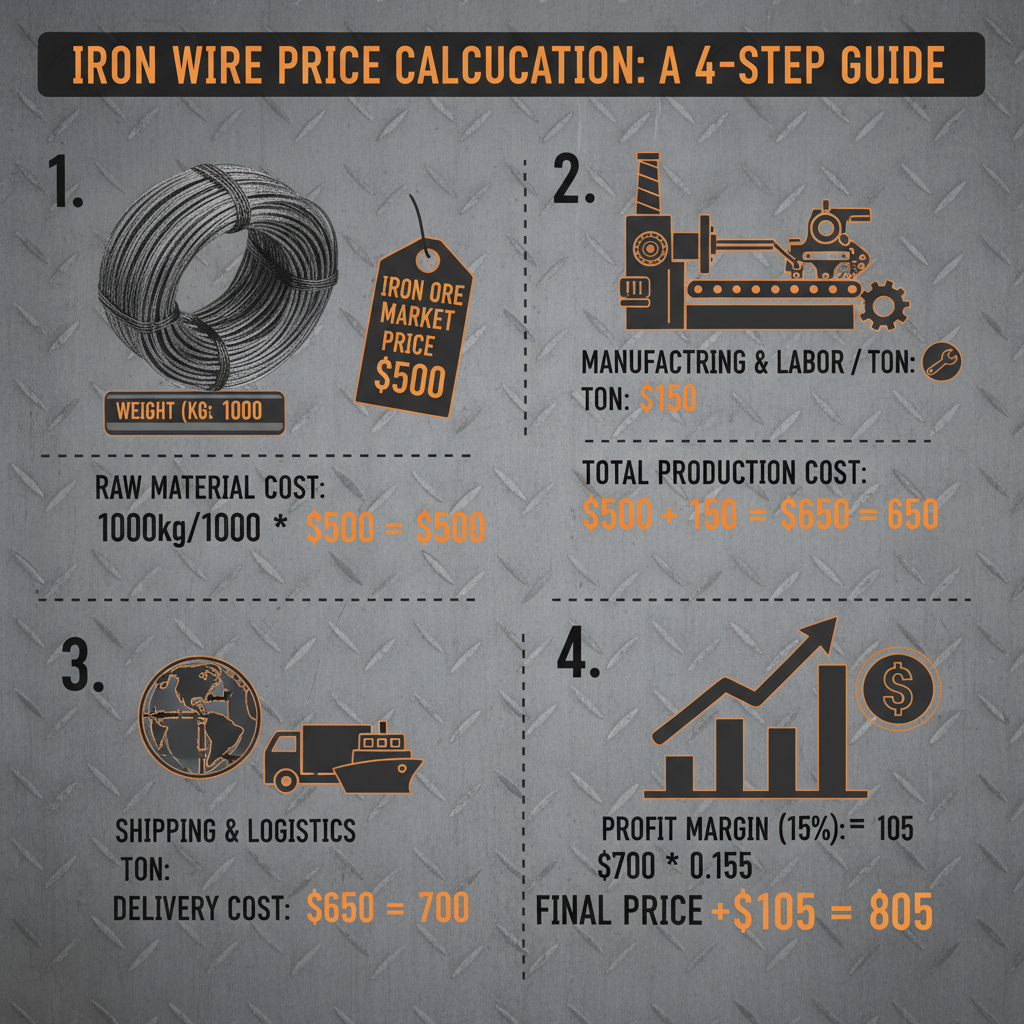
The cost of iron mesh roll is influenced by several key factors, including the gauge of the wire used, the mesh size (aperture), the type of coating applied (galvanized, PVC, etc.), the width and length of the roll, and overall market demand for steel. Fluctuations in raw material prices, particularly iron ore, also play a significant role. Shipping costs and supplier location contribute to the final price. Understanding these components helps in accurate budgeting and sourcing decisions.
While both galvanized iron and stainless steel mesh offer excellent corrosion resistance, stainless steel generally outperforms galvanized iron in harsh environments, particularly those exposed to saltwater or highly acidic conditions. Galvanized iron provides a good level of protection at a lower cost, making it suitable for many applications. However, stainless steel’s inherent resistance to rust and corrosion results in a significantly longer lifespan and reduced maintenance requirements, justifying the higher initial investment in specific circumstances.
The appropriate mesh size for animal enclosures depends on the size and species of the animal being contained. For poultry and small birds, a mesh size of 1/2 inch or smaller is typically used to prevent escapes. Larger animals like rabbits and goats require a mesh size of 1 to 2 inches, while livestock like sheep and cattle may use 4-inch mesh. It’s crucial to choose a mesh size that is small enough to prevent the animal from squeezing through but large enough to provide adequate ventilation and visibility.
Yes, iron mesh roll is readily weldable and can be cut to custom shapes using various tools, including wire cutters, bolt cutters, and plasma cutters. Welding allows for the creation of robust and permanent connections, while cutting enables the fabrication of specific shapes and sizes for diverse applications. However, it’s important to use appropriate safety precautions when welding or cutting metal mesh, including wearing protective eyewear and gloves.
PVC-coated iron mesh roll is widely used in applications requiring enhanced corrosion resistance and aesthetic appeal. Common applications include chain-link fences, animal enclosures, garden fencing, and industrial screening. The PVC coating provides a durable, weather-resistant barrier that protects the underlying iron from rust and degradation. It is also available in a range of colors, allowing for aesthetic customization.
Yes, the availability of eco-friendly and recycled iron mesh roll options is increasing. Many manufacturers now offer products made from recycled steel, reducing the environmental impact of production. Furthermore, some coatings are being developed using more sustainable materials. When sourcing iron mesh roll, inquire about the manufacturer’s sustainability practices and look for certifications that demonstrate their commitment to environmental responsibility.
Conclusion
Iron mesh roll stands as a testament to the power of simple yet versatile materials. Its inherent strength, adaptability, and cost-effectiveness have cemented its role as a critical component across diverse industries, from construction and agriculture to security and disaster relief. Understanding its properties and potential applications is crucial for professionals seeking innovative and sustainable solutions.
As we look to the future, continued innovation in materials science and manufacturing processes will further enhance the capabilities of iron mesh roll. By embracing sustainable practices, exploring new applications, and leveraging digital technologies, we can unlock even greater value from this essential material, contributing to a more resilient and sustainable world. For your iron mesh roll needs, visit our website: iron mesh roll