Understanding the iron wire rate is essential for procurement managers and engineers in the metal fabrication industry, as it directly impacts project budgeting and material selection. In a global market where raw material prices fluctuate daily, knowing how to analyze the current rate allows businesses to optimize their supply chains and avoid unexpected cost overruns.
The iron wire rate is not merely a price point but a complex indicator reflecting the interplay between steel production costs, energy prices, and international trade tariffs. From the construction of large-scale 3D fences to the production of intricate animal cages, the cost efficiency derived from a stable wire rate ensures that infrastructure projects remain viable and competitive.
By mastering the variables that influence the iron wire rate, manufacturers can better predict market trends and secure long-term contracts with suppliers. This strategic approach not only safeguards profit margins but also ensures a consistent supply of high-quality galvanized or annealed wire for critical applications across the agricultural and industrial sectors.
Global Market Dynamics of Iron Wire Rate
The volatility of the iron wire rate is heavily influenced by the global commodities market, specifically the fluctuations in iron ore and coking coal prices. As industrialization accelerates in emerging economies, the demand for fundamental wire products—such as galvanized wire and black annealed wire—has surged, creating a tighter supply chain that often pushes rates upward during peak construction seasons.
Moreover, international trade policies and tariffs play a pivotal role in shaping regional pricing. For instance, shifts in export duties from major producing nations can lead to abrupt changes in the iron wire rate for importers in North America and Europe, forcing companies to adopt more agile procurement strategies to maintain their operational stability.
Defining the Iron Wire Rate in Modern Industry
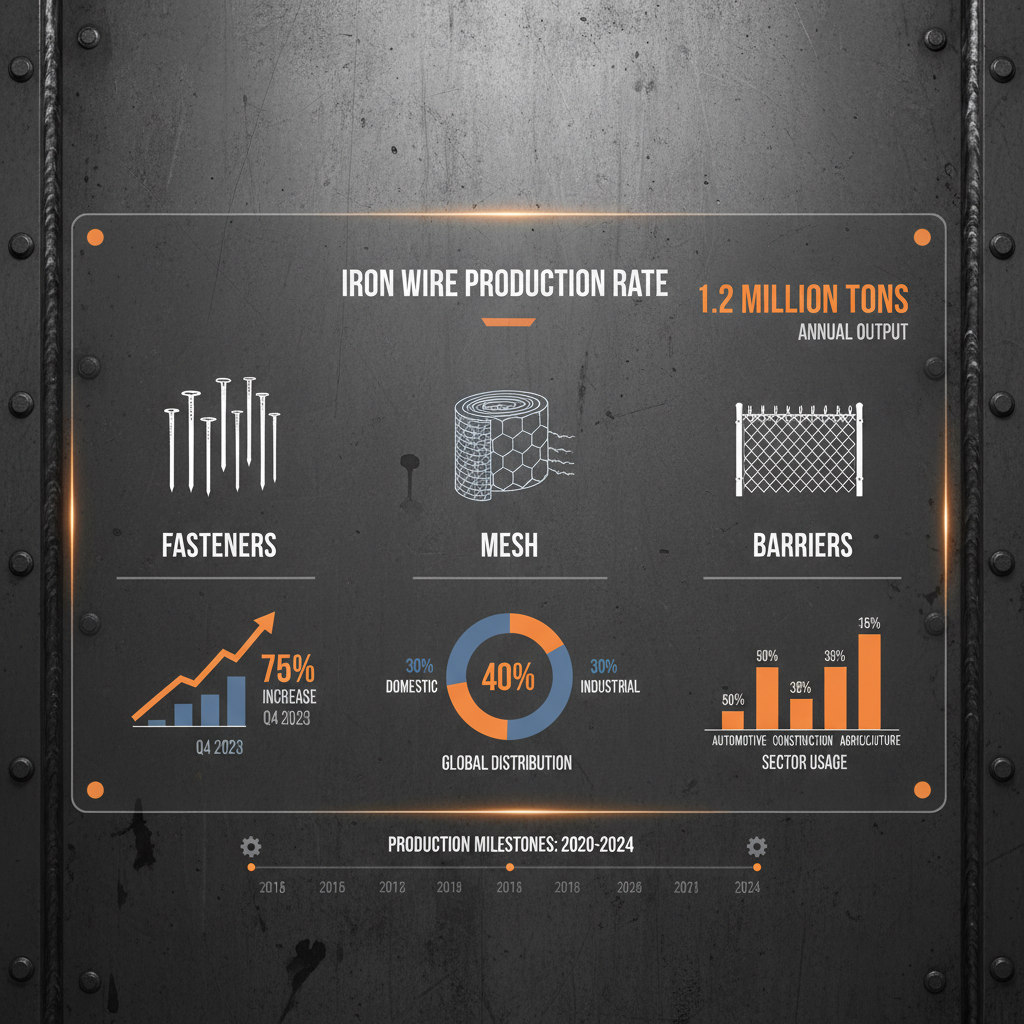
In simple technical terms, the iron wire rate refers to the current market valuation of iron wire per unit of weight (typically per ton or kilogram), inclusive of the processing costs associated with drawing, coating, and annealing. It serves as the baseline cost for a vast array of downstream products, ranging from simple coil nails to complex 358 security fences.
Beyond the price tag, the rate is a reflection of the material's grade and the technology used in its creation. A "premium" rate often indicates a higher zinc coating thickness in galvanized products or a more precise gauge in stainless steel wire, ensuring that the final product meets rigorous ISO standards for durability and tensile strength.
In the context of humanitarian and infrastructure needs, the iron wire rate determines the feasibility of deploying rapid-response solutions, such as temporary fencing for refugee camps or gabion boxes for flood prevention. When rates are optimized, it allows NGOs and governments to cover larger areas with the same budget, maximizing the social impact of the project.
Core Factors Influencing Material Costing
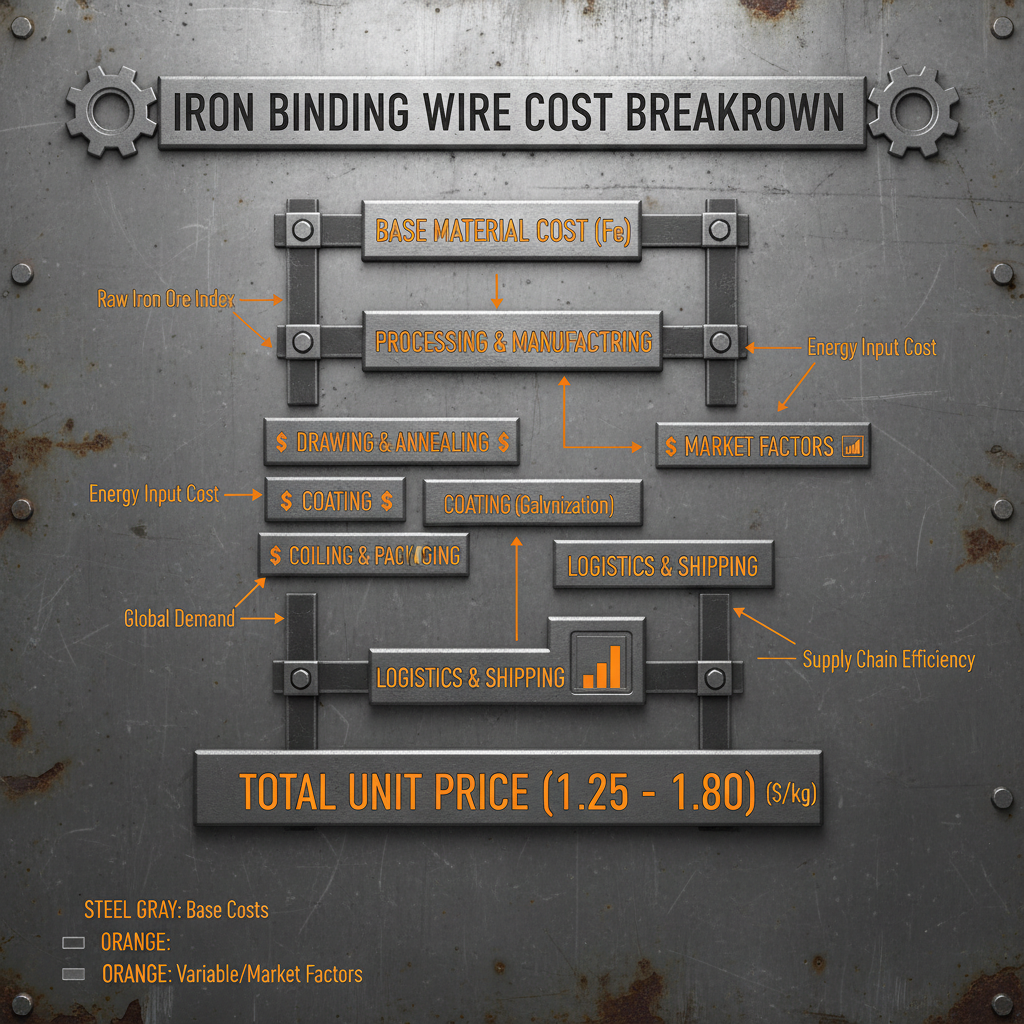
One of the primary drivers of the iron wire rate is raw material purity and the cost of alloying elements. The transition from standard carbon steel to high-tensile alloys increases the baseline cost but significantly improves the product's longevity and load-bearing capacity.
Energy consumption during the drawing and annealing process is another critical component. Since the iron wire rate is sensitive to electricity and natural gas prices, manufacturers often implement energy-efficient furnaces to keep production costs low and maintain a competitive market rate.
Lastly, the coating process—whether it be hot-dip galvanizing or PVC coating—adds a layered cost structure to the final rate. The current price of zinc on the LME (London Metal Exchange) directly correlates with the pricing of galvanized wire mesh and fencing, making market monitoring a necessity for any serious buyer.
Comparative Analysis of Pricing Models
Different procurement models can either mitigate or exacerbate the risks associated with the iron wire rate. Spot pricing allows for immediate acquisition at current market values, which is beneficial during a price dip, whereas long-term fixed contracts provide budget certainty for multi-year infrastructure projects.
To better understand these dynamics, it is helpful to evaluate the performance of various pricing strategies based on stability, cost-efficiency, and risk management. By comparing these methods, businesses can decide whether to hedge their materials or rely on just-in-time delivery.
Comparison of Iron Wire Rate Pricing Strategies
Global Applications and Sector Use Cases
The practical application of products influenced by the iron wire rate spans across multiple industries. In agriculture, the cost of hexagonal wire mesh and rabbit cages is directly tied to the wire rate, affecting the overhead for small-scale farmers and industrial livestock operations alike.
In the urban security sector, the installation of 3D fences and razor barbed wire for critical infrastructure relies on the balance between the iron wire rate and the required tensile strength. High-security installations in remote industrial zones often prioritize long-term durability over initial cost, choosing higher-grade materials despite a premium rate.
Long-term Value and Economic Reliability
Investing in materials with a stable and transparent iron wire rate provides businesses with more than just financial predictability; it fosters trust between suppliers and contractors. When pricing is fair and based on objective market indices, the likelihood of project delays due to payment disputes is significantly reduced.
From a sustainability perspective, a well-managed rate encourages the use of recycled steel. As the industry moves toward "green steel," the iron wire rate for recycled materials is becoming more competitive, offering a logical path for companies to reduce their carbon footprint without sacrificing structural integrity.
Ultimately, the long-term value lies in the reliability of the product. A low initial rate may seem attractive, but if the wire fails prematurely due to poor galvanization, the replacement costs will far outweigh the original savings. True value is found in the intersection of a fair market rate and uncompromising quality.
Future Innovations in Wire Production Rates
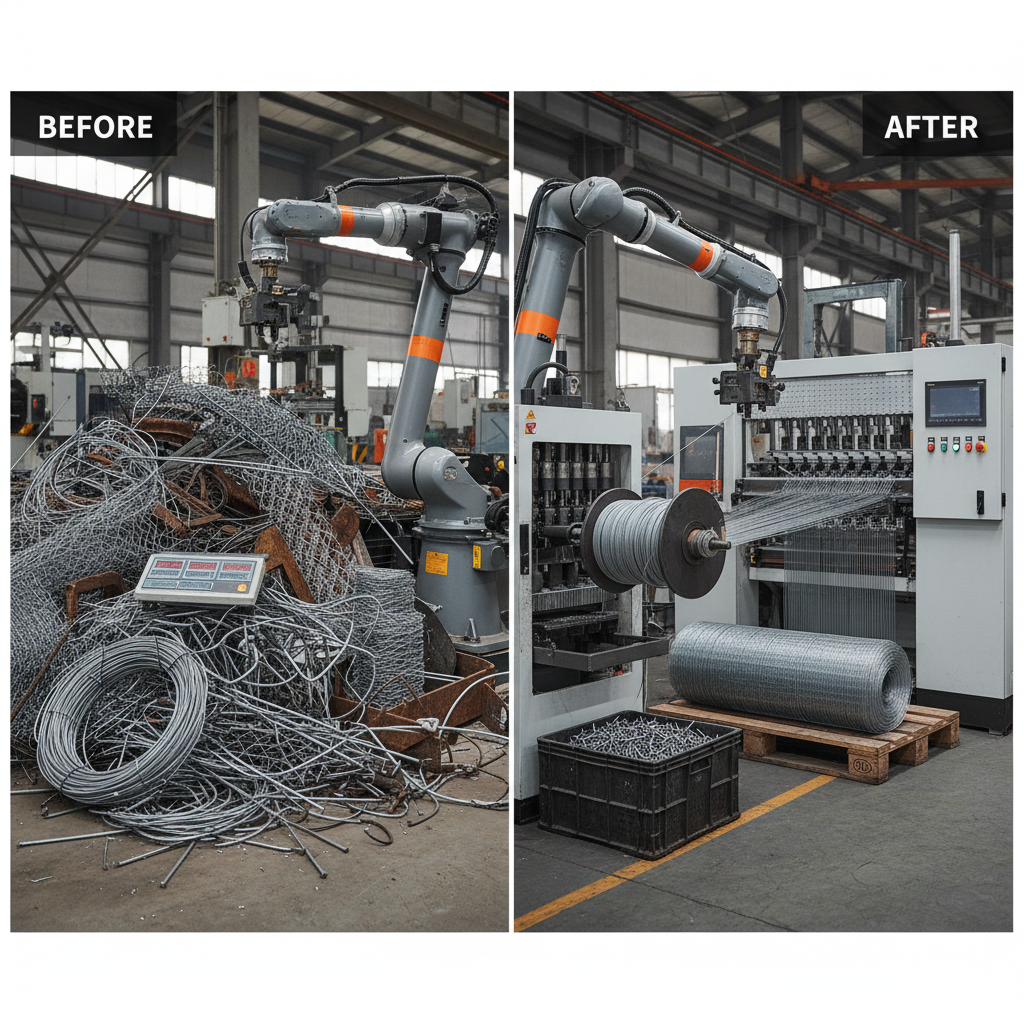
The future of the iron wire rate will be shaped by automation and AI-driven supply chain management. Smart factories are already implementing real-time monitoring to reduce waste during the drawing process, which will eventually lower the baseline production rate for high-precision products like cutting wire and coil nails.
Furthermore, the development of advanced nano-coatings is expected to replace traditional galvanization in some sectors. While these technologies may initially carry a higher rate, their extreme resistance to corrosion will extend the lifespan of fences and cages, lowering the total cost of ownership over several decades.
Digital transformation is also enabling "dynamic pricing" models, where the iron wire rate is adjusted in real-time based on global demand and logistics costs. This transparency allows buyers to time their purchases perfectly, ensuring they get the best possible value for their investment.
Analysis of Future Iron Wire Rate Impact by Product Category
| Product Category |
Expected Rate Trend |
Innovation Driver |
Cost Efficiency Score |
| Security Fencing |
Stable/Increasing |
Nano-Coatings |
8/10 |
| Agricultural Cages |
Decreasing |
Automation |
9/10 |
| Galvanized Wire |
Volatile |
Zinc Market Flux |
6/10 |
| Stainless Steel Wire |
Increasing |
Alloy Purity |
7/10 |
| Welded Wire Mesh |
Stable |
Robotic Welding |
8/10 |
| Iron Nail Series |
Decreasing |
Mass Production |
10/10 |
FAQS
The daily rate is primarily determined by the cost of raw steel billets, the current market price of zinc (for galvanized wire), and operational overheads including energy and labor. Additionally, regional demand spikes and shipping costs can cause short-term fluctuations in the iron wire rate.
Since iron wire is the primary component of 3D fencing, any increase in the iron wire rate leads to a direct increase in production costs. However, manufacturers can offset this by optimizing the wire gauge or utilizing automated welding to maintain a stable final product price.
It depends on your project timeline. Spot rates are ideal for small, immediate needs or when the market is trending downward. Fixed contract rates are superior for large-scale projects, as they protect the buyer from sudden spikes in the iron wire rate, ensuring budget adherence.
Yes, significantly. PVC-coated wire typically has a higher rate than black annealed wire due to the added material and processing steps. Similarly, hot-dip galvanizing increases the rate compared to electro-galvanizing but provides much higher corrosion resistance.
The most accurate rates are found by monitoring industrial commodity exchanges and requesting quotes from certified manufacturers. Checking the LME for zinc prices is also a professional way to anticipate changes in the galvanized iron wire rate.
Yes, the use of recycled scrap steel can reduce raw material costs, potentially lowering the iron wire rate. Many modern factories are shifting to circular economy models to offer eco-friendly wire products at competitive prices without compromising strength.
Conclusion
In summary, the iron wire rate is a multifaceted metric that encapsulates raw material costs, technological efficiency, and global economic trends. By understanding the variables that drive these rates—from zinc market volatility to energy consumption—businesses can make informed decisions that optimize their procurement and enhance the quality of their final installations.
Looking forward, the integration of sustainable materials and automated production will likely stabilize rates and open new avenues for cost-effective, high-performance wire products. We encourage procurement professionals to maintain a strategic outlook and partner with manufacturers who offer transparency in their pricing models. Visit our website for more insights: www.ironwirefactory.com