In the modern landscape of industrial security and land management, the implementation of high-quality boundary iron wire serves as the first line of defense for countless commercial and residential properties. From defining agricultural perimeters to securing high-risk industrial zones, the reliability of the fencing material directly impacts the safety of assets and personnel. Understanding the nuances of material grade, coating, and tensile strength is essential for any project manager seeking a long-term security solution.
Globally, the demand for robust boundary iron wire has surged as urban expansion encroaches on rural lands and industrial complexes require more stringent access control. The integration of advanced metallurgy has transformed simple iron strands into high-performance barriers capable of withstanding extreme weather conditions and physical intrusions. This evolution ensures that boundary demarcation is no longer just about marking a line, but about creating a sustainable, durable shield.
By exploring the technical specifications and practical applications of these wiring solutions, stakeholders can make informed decisions that balance cost-efficiency with maximum security. Whether utilizing galvanized coatings for corrosion resistance or high-carbon steel for increased tension, the right choice of boundary iron wire prevents unauthorized entry and minimizes maintenance overhead. This guide delves into the professional standards and innovative trends shaping the industry today.
Global Relevance of Boundary Iron Wire
On a global scale, the use of boundary iron wire is inextricably linked to the protection of national sovereignty, agricultural productivity, and industrial safety. According to international trade data and ISO quality standards, the infrastructure sector continues to rely on iron-based wiring due to its unmatched versatility and strength-to-cost ratio. In developing regions, these wires are critical for livestock management, while in developed economies, they are integrated into sophisticated security grids for critical infrastructure.
The primary challenge facing the industry today is the battle against environmental degradation and corrosion. In coastal regions or high-humidity climates, standard iron wires can fail prematurely, leading to security breaches and expensive replacements. This has driven a global shift toward specialized galvanization and PVC coatings, ensuring that the boundary iron wire remains intact for decades rather than years, thereby reducing the ecological footprint of frequent manufacturing cycles.
Defining the Technical Standards of Boundary Iron Wire
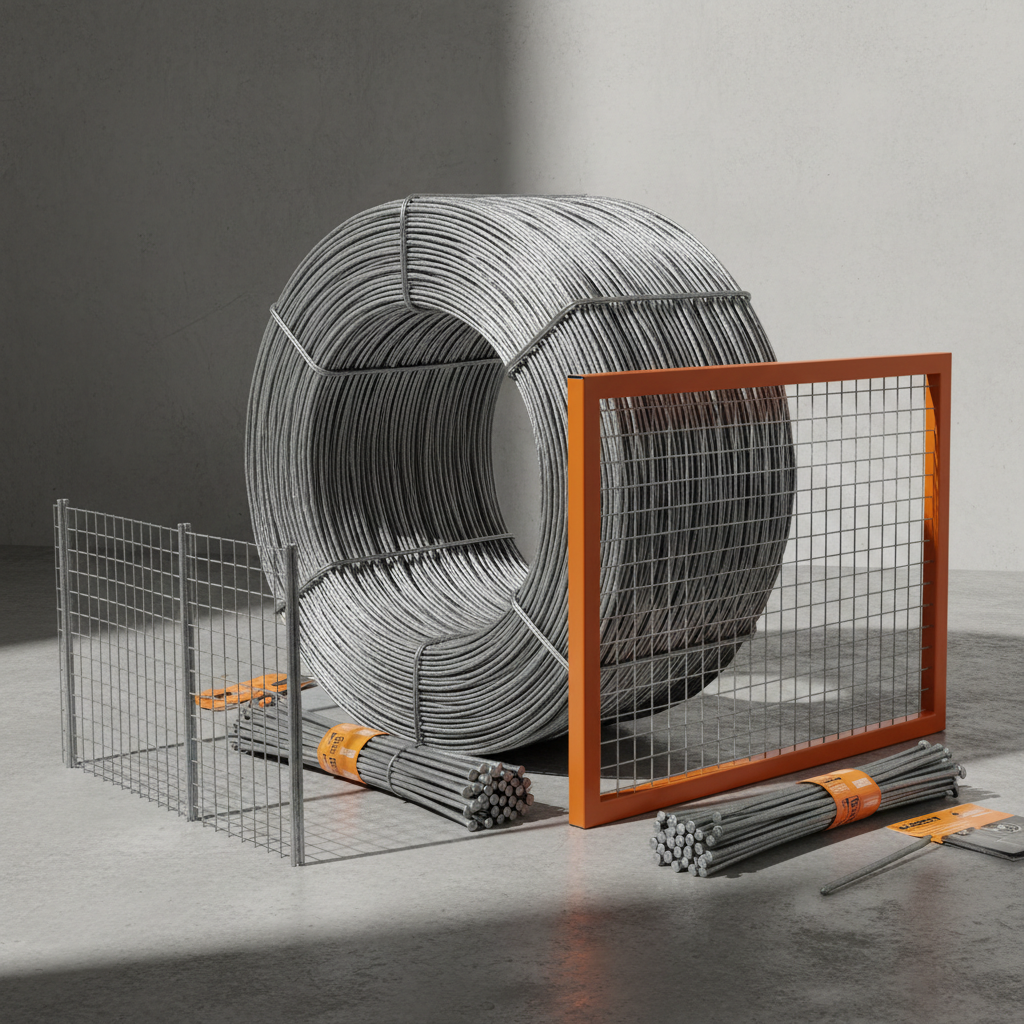
In simple professional terms, boundary iron wire refers to a specialized category of steel-based wiring engineered specifically for perimeter demarcation and security. Unlike general-purpose wire, it is manufactured to meet specific tensile strength requirements, ensuring it can be stretched across long distances without sagging or snapping under pressure. It serves as the skeletal structure for various fencing systems, including chain link and welded mesh.
Modern industry has evolved the definition of these products to include not just the raw metal, but the chemical treatment applied to the surface. For instance, hot-dipped galvanization is now a baseline standard for high-grade boundary iron wire, creating a zinc-iron alloy layer that prevents oxidation. This technical evolution addresses the humanitarian need for secure enclosures in refugee camps and the industrial need for safe hazardous material storage.
Furthermore, the versatility of boundary iron wire allows it to be adapted for various gauges and diameters depending on the threat level of the area being secured. From thin, flexible wires used for animal containment to thick, high-tensile strands used for high-security military installations, the product is defined by its ability to balance flexibility during installation with rigidity during operation.
Core Components Affecting Wire Performance
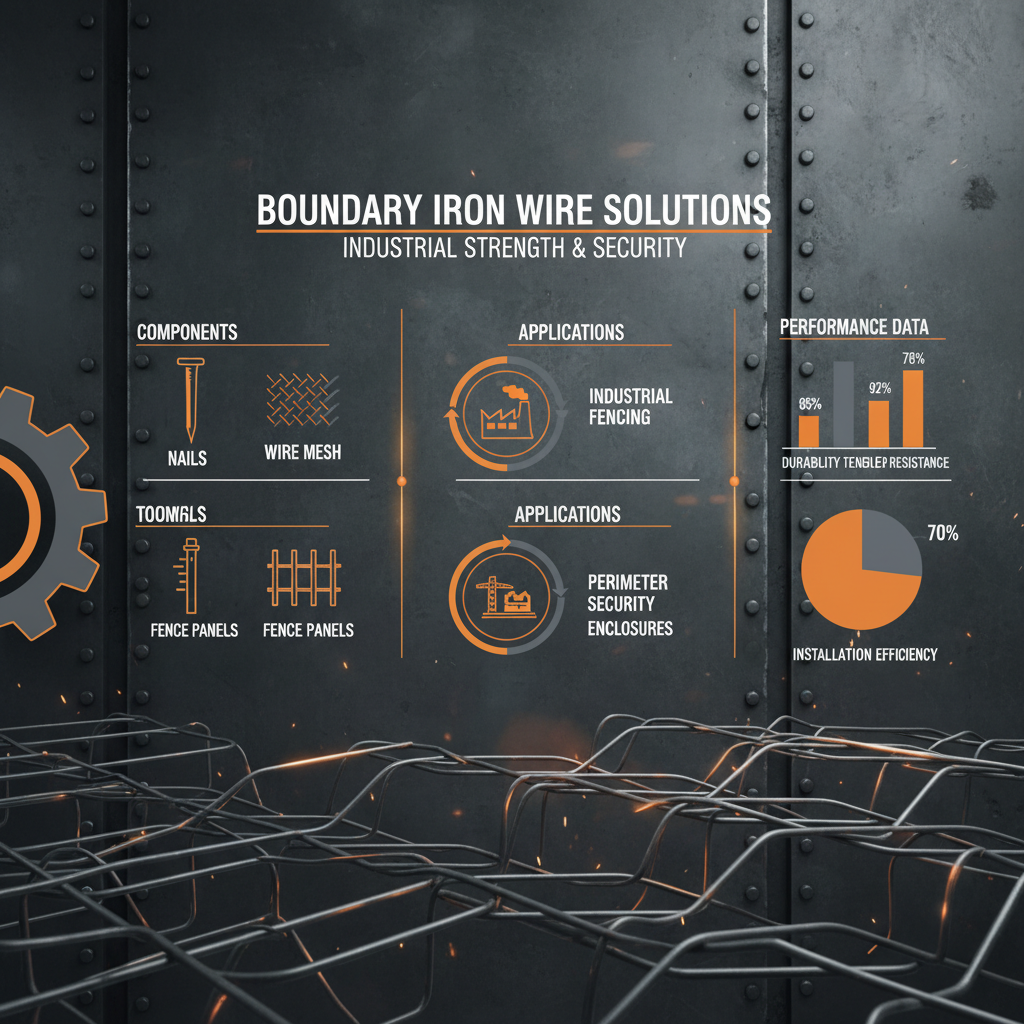
One of the most critical factors in the efficacy of boundary iron wire is its tensile strength. High-carbon steel is often used to ensure that the wire can withstand significant physical impact and tensioning forces without permanent deformation. This durability is what allows a fence to maintain its integrity over vast distances and challenging terrains.
Corrosion resistance is another pillar of performance. By applying advanced coatings such as zinc or polymer-based PVC, boundary iron wire is shielded from the elements. This is particularly vital in industrial zones where chemical runoff or salt air would otherwise erode the metal, leading to structural failure and compromising the security of the perimeter.
Finally, the scalability and installation ease of the wire determine the total cost of ownership. A well-engineered boundary iron wire is designed to be compatible with standard tensioning tools and fasteners, reducing labor hours and ensuring a consistent, professional finish. This synergy between material science and practical application ensures a reliable security barrier.
Comparative Analysis of Boundary Iron Wire Grades
Selecting the correct grade of boundary iron wire is a strategic decision based on the intended environment and the level of security required. For example, soft annealed wires provide flexibility for temporary boundaries, while hard-drawn galvanized wires are preferred for permanent industrial perimeters. Each grade offers a different balance of elasticity, hardness, and longevity.
To better visualize the performance differences, we analyze various methods of production and coating. High-tensile options typically score higher in security and durability but may require more specialized tools for installation compared to standard mild steel options.
Performance Ratings of Boundary Iron Wire Variants
Global Applications and Strategic Use Cases
The deployment of boundary iron wire spans across diverse sectors. In the agricultural industry, it is used extensively for field fencing and animal cages, ensuring livestock remains secure while preventing predator intrusion. In remote industrial zones, such as mining sites in Australia or oil fields in the Middle East, high-tensile boundary wires are used to create massive perimeters that protect high-value machinery and infrastructure.
Beyond commercial use, these solutions are vital in humanitarian and governmental contexts. In post-disaster relief operations, rapid-deployment boundaries made of iron wire are used to organize temporary housing and secure aid distribution centers. Similarly, urban municipalities use these materials for crowd control barriers and public park perimeters, demonstrating the adaptability of the product from high-security military needs to low-intensity civic management.
Long-Term Value and Economic Advantages
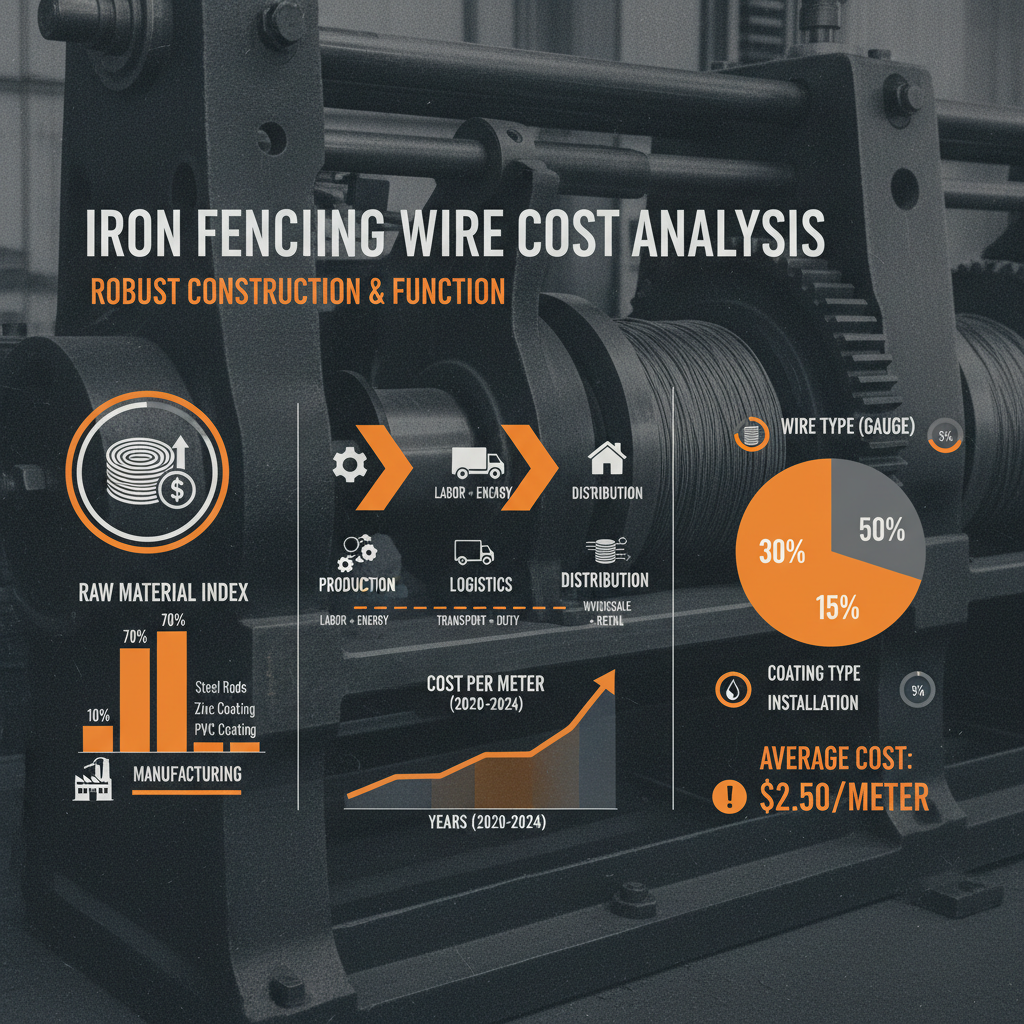
Investing in premium boundary iron wire provides a tangible economic advantage through the reduction of lifecycle costs. While cheaper, untreated wires may have a lower initial purchase price, they often require replacement every 3-5 years due to rust and breakage. In contrast, high-quality galvanized or PVC-coated wires can last over 20 years, drastically lowering the total cost of ownership and reducing labor costs associated with frequent repairs.
Beyond the financial metrics, there is a psychological and social value to a secure boundary. For business owners, a sturdy fence provides peace of mind and trust, signaling to clients and employees that the facility is managed with a commitment to safety. For residents, it provides a sense of dignity and privacy, creating a clear distinction between public and private space that is respected and durable.
Furthermore, the sustainability of modern iron wire production is an emerging value. By utilizing recyclable steel and eco-friendly coating processes, manufacturers are reducing the environmental impact of perimeter security. This alignment with "Green Building" standards makes boundary iron wire an attractive option for corporations aiming to meet ESG (Environmental, Social, and Governance) targets.
Future Trends in Boundary Iron Wire Technology
The future of boundary iron wire is being shaped by the integration of smart materials and automated installation. We are seeing the rise of "intelligent fencing," where iron wire perimeters are embedded with fiber-optic sensors that can detect vibrations or cutting attempts in real-time. This transformation turns a passive physical barrier into an active security system, alerting operators to the exact location of a breach.
Material science is also pushing the boundaries of corrosion resistance. New nano-coatings are being developed that offer superior protection compared to traditional galvanization, allowing for thinner, lighter wires that maintain the same strength and longevity. This shift toward lightweight, ultra-strong materials reduces transportation costs and simplifies the installation process in difficult terrains.
Additionally, the industry is moving toward a circular economy. The ability to easily reclaim and recycle boundary iron wire at the end of its life cycle is becoming a key selling point. As global policies on waste management tighten, the transition to fully recyclable, non-toxic coated wires will become the industry standard, ensuring security does not come at the expense of the planet.
Technical Comparison of Boundary Iron Wire Evolution
| Material Era |
Core Coating |
Durability Score |
Primary Use Case |
| Traditional |
None/Oil |
3/10 |
Temporary markers |
| Industrial Standard |
Hot-Dipped Zinc |
7/10 |
Agricultural Fencing |
| Enhanced Security |
PVC/Polymer |
8/10 |
Coastal Industrial |
| High-Tensile |
Alloy Zinc |
9/10 |
Critical Infrastructure |
| Smart Era |
Nano-Composite |
10/10 |
Military/Gov Facilities |
| Eco-Sustainable |
Bio-Polymer |
8/10 |
Green Urban Parks |
FAQS
Galvanized boundary iron wire is coated with a layer of zinc to prevent rust through a chemical reaction. PVC coated wire has an additional layer of plastic over the galvanized core, providing superior protection against salt air and chemicals, and offering a more aesthetically pleasing finish. While galvanized is sufficient for most inland farms, PVC is recommended for coastal or high-corrosion industrial areas.
The gauge depends on the intended pressure and security level. For simple demarcation or animal cages, a thinner gauge (higher number) is cost-effective. For security-critical boundaries where physical intrusion is a risk, a thicker gauge (lower number) with high-carbon steel is necessary. We recommend consulting with a structural engineer to match the gauge to the expected tension and local wind loads.
Yes, boundary iron wire is specifically designed for versatility. High-tensile variants allow for longer spans between posts, which is ideal for uneven terrain. By using adjustable tensioners and strategic post-placement, the wire can follow the contour of the land while maintaining a consistent height and security level across the entire perimeter.
Lifespan varies by coating. Standard galvanized wire typically lasts 10-15 years in moderate climates. Hot-dipped galvanized wire can last 20-30 years, and PVC-coated options often exceed this by protecting the zinc layer from direct exposure. Regular inspections for tension and localized corrosion can further extend the life of the installation.
Steel is one of the most recycled materials on earth. Most boundary iron wire is made from recycled steel scrap and can be fully recycled at the end of its life. The move toward non-toxic, lead-free coatings further ensures that these products do not leach harmful chemicals into the soil, making them a sustainable choice for long-term land management.
Sagging is usually a result of improper initial tensioning or the use of low-carbon steel. To prevent this, use high-tensile boundary iron wire and install professional-grade turnbuckles or tensioning wires. Additionally, ensuring that fence posts are set in concrete and properly spaced according to the wire's weight will maintain the structural integrity for years.
Conclusion
In summary, boundary iron wire is far more than a simple industrial commodity; it is a sophisticated engineering tool essential for security, asset protection, and land organization. From the critical role of tensile strength and corrosion-resistant coatings to the strategic application in diverse global environments, the right choice of wire ensures a balance between upfront investment and long-term reliability. By integrating advanced materials and sustainable manufacturing, the industry provides a durable solution that meets the rigorous demands of modern infrastructure.
Looking forward, the convergence of smart sensing technology and eco-friendly metallurgy will continue to redefine what a boundary can achieve. We encourage project managers and property owners to prioritize high-grade, certified materials over short-term savings to avoid the pitfalls of premature failure. As we move toward a more secure and sustainable future, investing in professional-grade boundary solutions is the most effective way to ensure the safety and longevity of your perimeter. Visit our website for more professional solutions: www.ironwirefactory.com