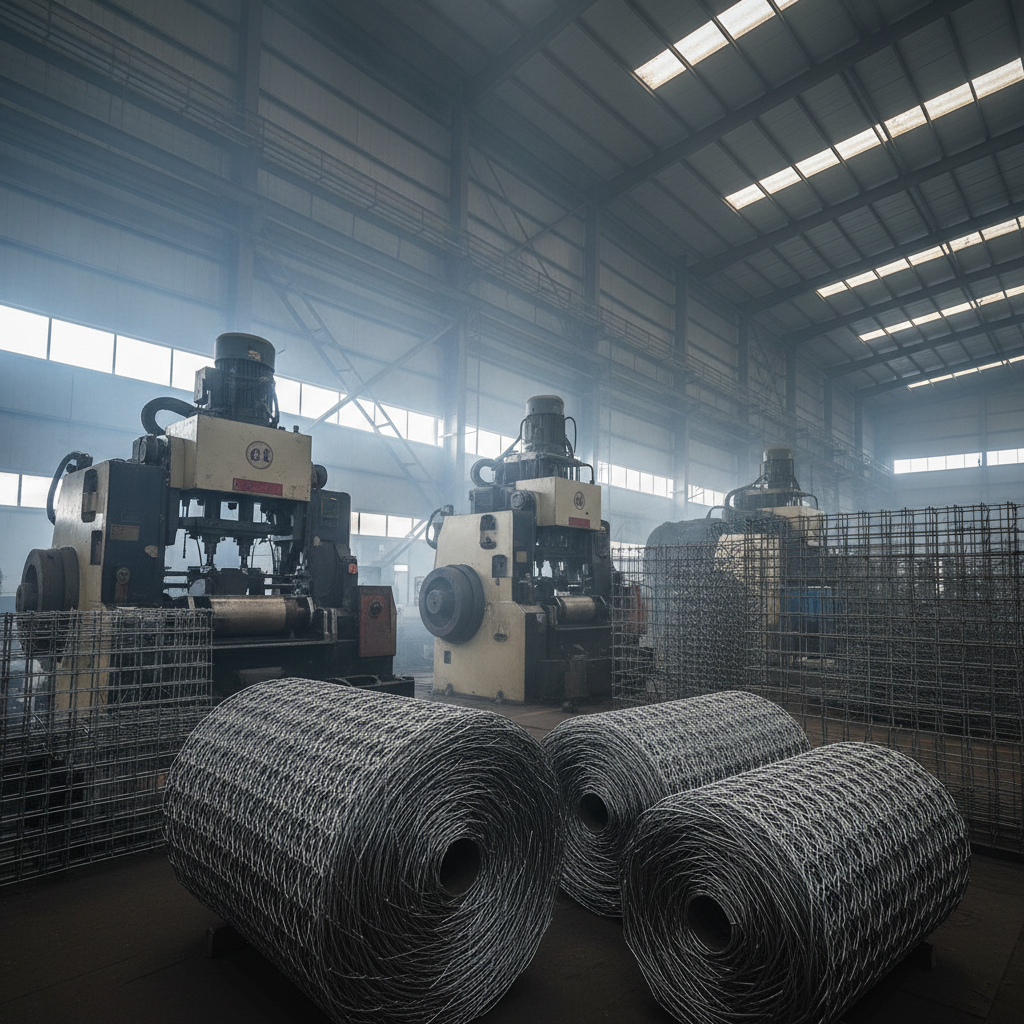
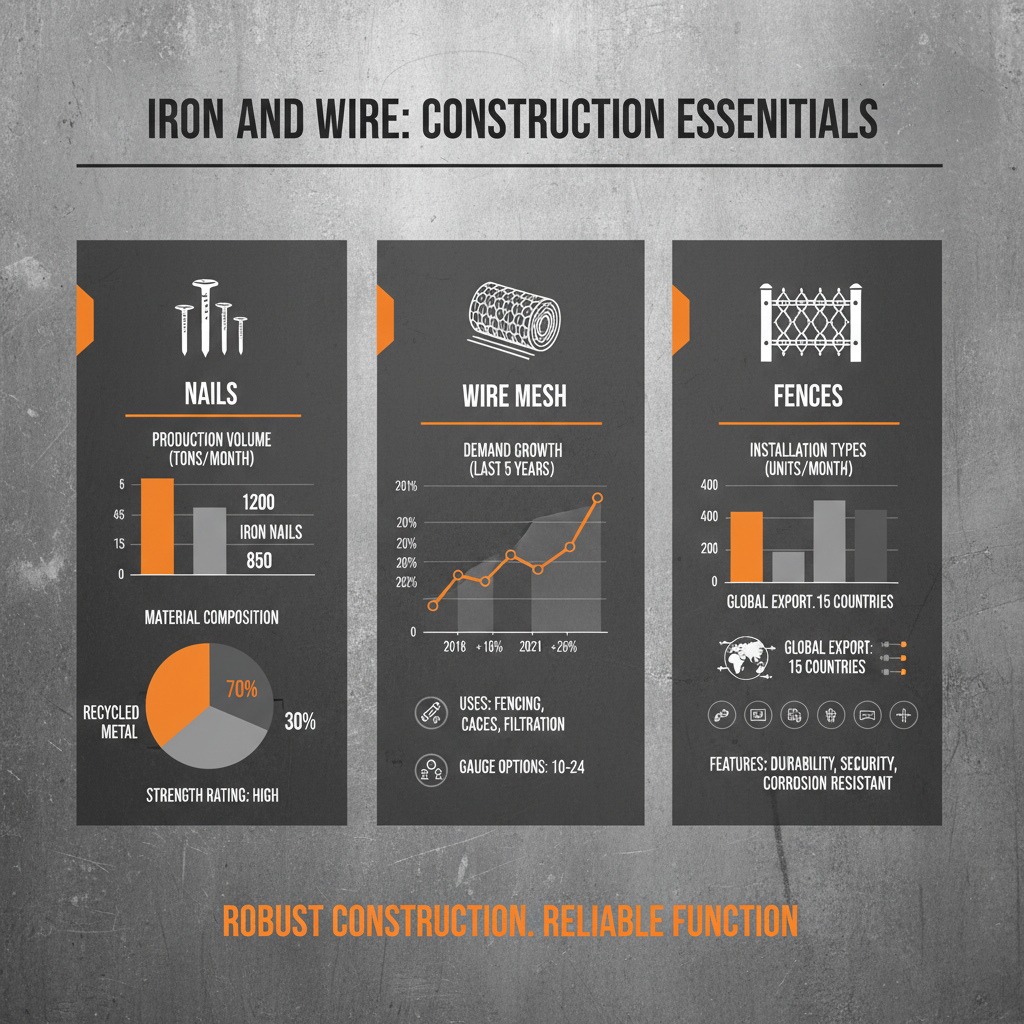
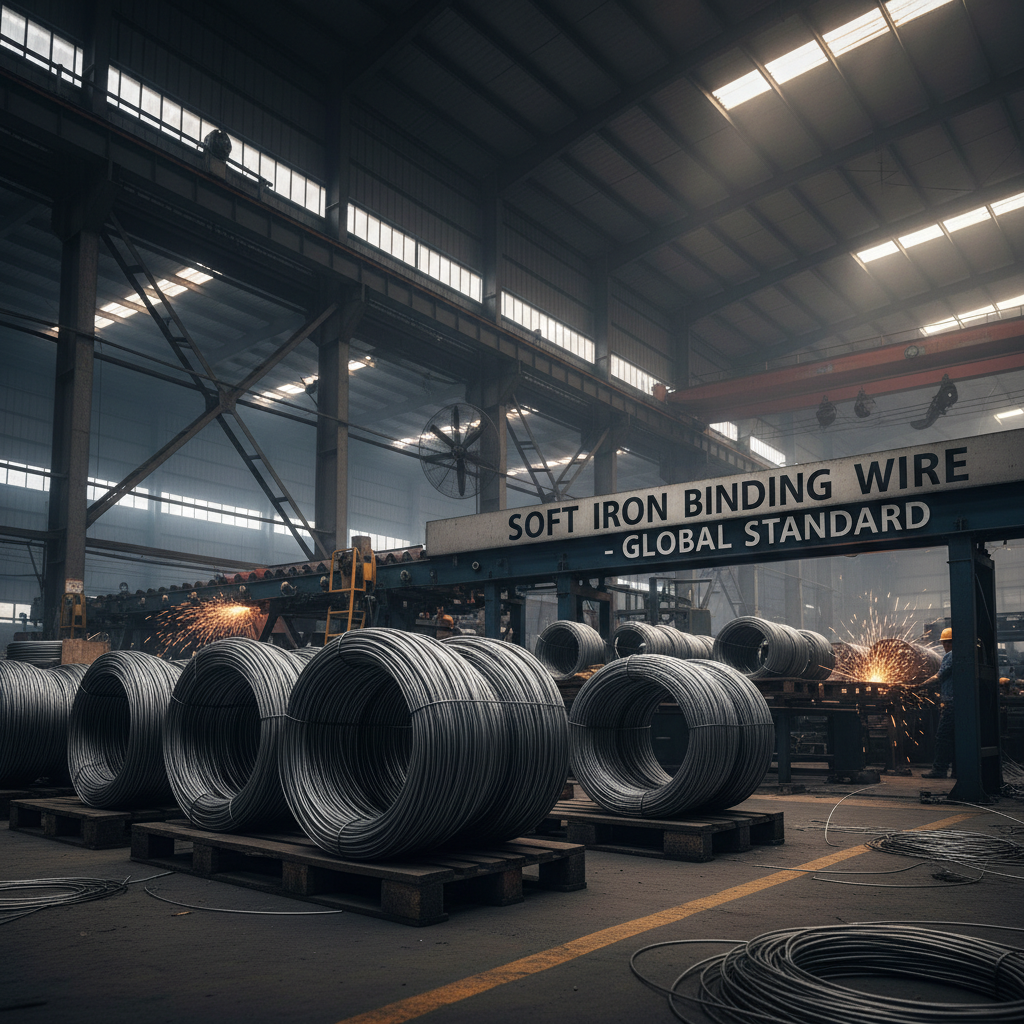
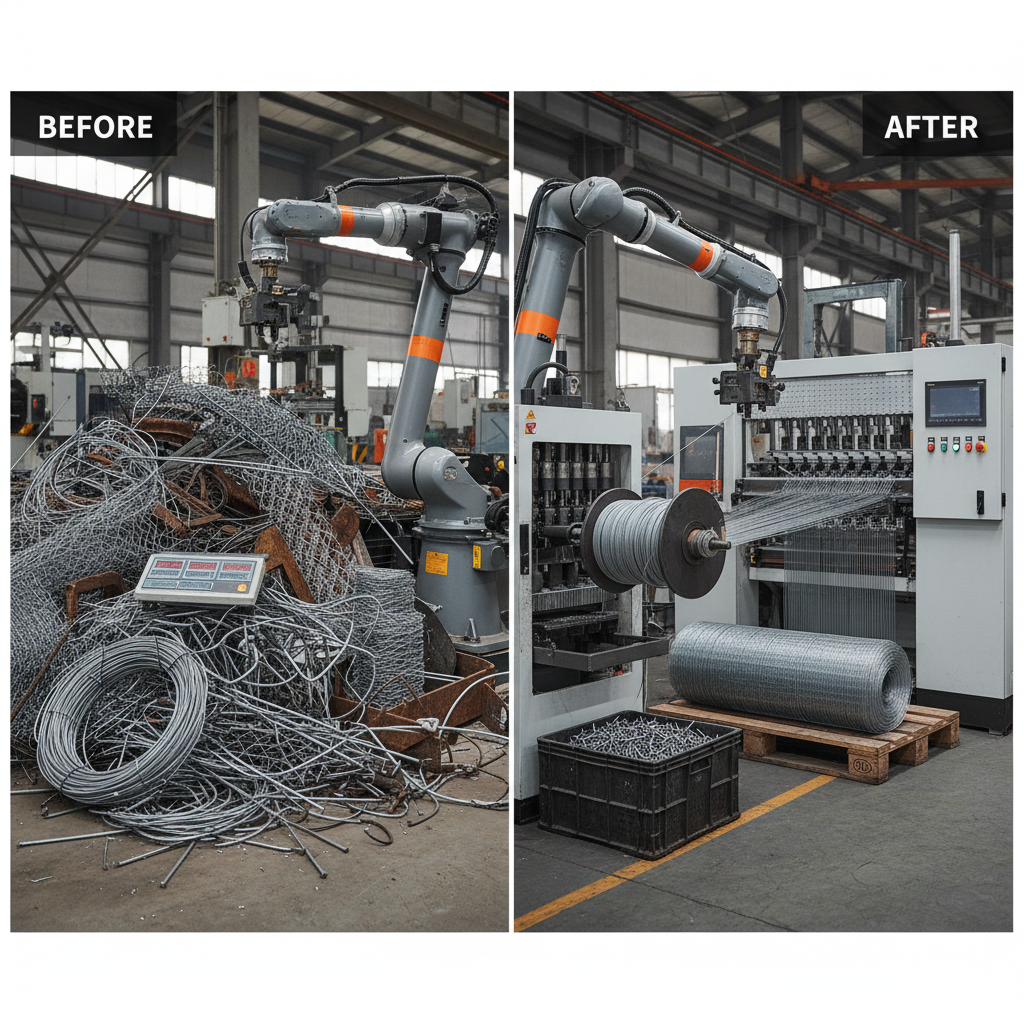
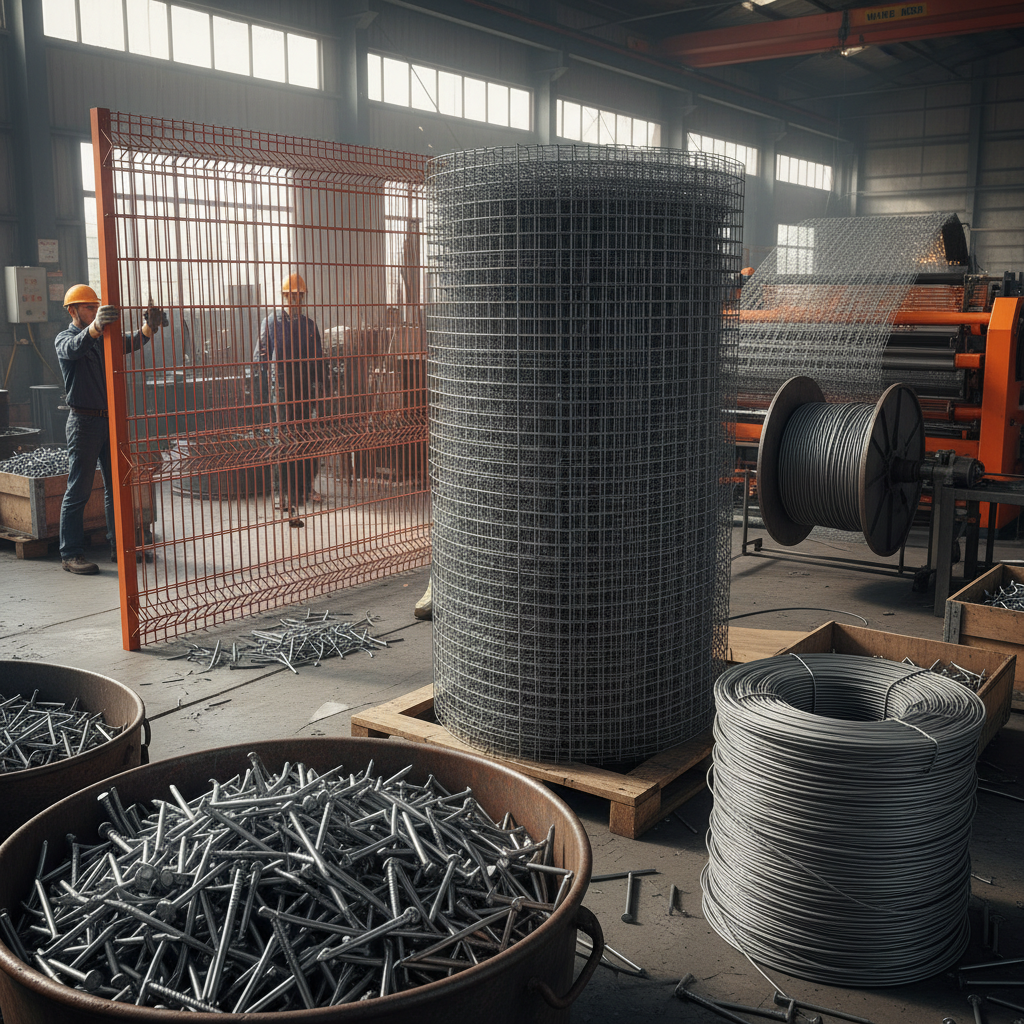
Iron and wire – sounds simple, right? But spend a year walking construction sites, getting your hands dirty, and you quickly realize it’s the backbone of everything. It’s not just about rebar in concrete; it's the fencing securing the site, the wire mesh in precast panels, the cables powering the tools, the very ties that hold it all together. Understanding iron and wire isn't just about materials science, it's understanding the practical realities of building, the constraints, and the opportunities to improve. It’s about knowing what holds up, what breaks down, and what costs you time and money.
Globally, demand for iron and wire is intrinsically linked to infrastructure development and economic growth. According to the World Steel Association, global steel production reached nearly 1.9 billion tonnes in 2022, a significant portion of which is destined for construction. This demand isn’t evenly distributed, with rapidly developing nations in Asia and Africa driving a substantial increase. But this growth presents a challenge: ensuring sustainable sourcing, maintaining quality control, and addressing the logistical complexities of getting these essential materials to where they're needed most, especially in remote or disaster-stricken areas.
It's a world away from the lab. Out here, it’s about practical application. You see problems in real-time – corrosion, fatigue, inconsistent weld quality. Knowing your iron and wire isn’t about memorizing tensile strengths; it’s about knowing what will stand up to the elements and the stresses of a jobsite. We’re not just building structures; we’re building trust, and that starts with the materials we use.
The Foundation of Modern Construction
Let's be blunt: modern construction relies on iron and wire. It’s not flashy, but it’s essential. It’s in the rebar that gives concrete its tensile strength, the wire mesh that reinforces structures, and the high-tension cables that support bridges. Without it, we're building with sandcastles. It’s a fundamental material that has evolved over centuries, but its core purpose remains the same: providing strength, durability, and stability.
From a site perspective, it’s the first thing you look at when assessing a project. Is the rebar the right grade? Is the welding done correctly? Are the wires properly secured? These aren’t just technical details; they're direct indicators of the project's safety and longevity. You learn to spot issues quickly – rust, kinks, inconsistencies – because those seemingly small details can have massive consequences down the line.
Defining Iron and Wire: Beyond the Basics
Iron, in its raw form, isn’t typically used directly in construction. It’s too soft and prone to corrosion. What we primarily work with is steel – an alloy of iron and carbon, often with other elements added to enhance its properties. Wire, then, is steel drawn into a thin strand. The real magic happens in the manufacturing process, where different alloys and treatments are used to create wire with specific characteristics: high tensile strength, corrosion resistance, weldability.
Understanding the different types of steel is crucial. Low-carbon steel is common for general construction, offering a good balance of strength and affordability. High-carbon steel is used where greater strength is needed, like in high-tension cables. And stainless steel, with its chromium content, provides superior corrosion resistance, essential for marine environments or corrosive industrial applications.
This isn't academic stuff; it's directly linked to safety and cost. Choosing the wrong type of wire or steel can compromise the structural integrity of a building or lead to premature failure. It’s why knowing your materials – and your supplier – is so important.
Core Characteristics of Robust iron and wire
Several core characteristics determine the suitability of iron and wire for a given application. First, and most obviously, is tensile strength – its ability to withstand pulling forces. But it’s not just about raw strength; ductility – how much it can deform before breaking – is equally important. Ductile materials can absorb stress, reducing the risk of sudden failure.
Corrosion resistance is another critical factor, especially in harsh environments. Galvanization, applying a zinc coating, is a common method to protect iron and wire from rust. However, newer coatings and alloys offer even greater protection. Finally, weldability is crucial for many applications, ensuring that connections are strong and reliable. A wire that's difficult to weld creates delays and compromises structural integrity.
I've seen projects held up for days because of inconsistent weld quality. It’s a headache, and a costly one. That’s why specifying the right wire, with the right coatings, and ensuring proper welding procedures are non-negotiable. It's not just about meeting codes; it’s about building something that will last.
Practical Applications Across Industries
It’s easy to think of iron and wire solely in the context of building construction, but its applications are far more diverse. In agriculture, it's used for fencing, irrigation systems, and farm machinery. In the automotive industry, it’s a key component of chassis, engine parts, and suspension systems. The energy sector utilizes high-strength wire for power transmission lines and wind turbine towers.
Even in seemingly unrelated fields, iron and wire play a critical role. The packaging industry uses wire for securing pallets and bundling goods. The medical field relies on specialized wires for surgical instruments and implants. And the mining industry uses wire ropes for lifting and hauling heavy loads.
iron and wire Application Ratings by Industry
Advantages: Reliability and Long-Term Value
The continued dominance of iron and wire isn’t just about tradition; it's about tangible benefits. Cost-effectiveness is a major factor. Compared to some newer materials, steel remains relatively affordable, making it accessible for a wide range of projects. But cost isn’t everything.
Long-term durability is critical. Properly maintained steel structures can last for decades, even centuries. The ability to recycle steel further enhances its sustainability, reducing waste and conserving resources. And finally, the well-established supply chain and readily available expertise make iron and wire a reliable choice for even the most demanding projects.
Global Impact and Use Cases
In post-disaster relief operations, rapidly deployable shelters utilizing iron and wire frames provide immediate housing for displaced populations. These structures are often quicker to erect and more resilient than traditional tents. In remote industrial zones, iron and wire are essential for establishing infrastructure, from power lines to transportation networks.
We’ve seen a surge in demand for high-strength wire ropes in offshore wind farm construction, driven by the need for robust mooring systems. And in developing nations, affordable iron and wire fencing is crucial for protecting agricultural land and livestock. These aren’t just statistics; they’re real-world examples of how these materials are improving lives and driving economic development.
The demand for sustainable and responsible sourcing of iron and wire is growing rapidly, particularly in Europe and North America. This is driving innovation in recycling technologies and the development of more environmentally friendly steel production processes.
Future Trends and Innovation in iron and wire
The future of iron and wire isn't about replacing it; it’s about enhancing it. We’re seeing significant advancements in high-strength, low-alloy (HSLA) steels, offering improved performance with reduced weight. Nanotechnology is being explored to create coatings with unprecedented corrosion resistance. And digital technologies, like AI-powered quality control systems, are helping to optimize production and reduce defects.
The integration of sensor technology into iron and wire structures will enable real-time monitoring of stress and strain, providing valuable insights into structural health. Automation in fabrication and welding processes is increasing efficiency and reducing labor costs. And the push for circular economy principles is driving innovation in steel recycling and reuse.
We're also seeing exploration into alternatives like high-strength fiber-reinforced polymers, but those come with their own challenges – cost, long-term durability, and recyclability. For the foreseeable future, iron and wire will remain the workhorse of the construction industry, but it will be a smarter, more sustainable, and more efficient workhorse.
Key Challenges and Solutions in iron and wire Application
| Challenge Area |
Current Mitigation Strategies |
Potential Innovative Solutions |
Impact on Project Outcomes |
| Corrosion in Marine Environments |
Galvanization, Epoxy Coatings |
Self-Healing Coatings, Nanomaterial Barriers |
Increased Structural Lifespan, Reduced Maintenance Costs |
| Supply Chain Disruptions |
Diversifying Suppliers, Stockpiling |
Regional Micro-Manufacturing, 3D Printing of Steel Components |
Reduced Lead Times, Enhanced Project Resilience |
| Welding Quality Control |
Manual Inspection, Ultrasonic Testing |
AI-Powered Real-Time Weld Analysis, Robotic Welding |
Improved Structural Integrity, Reduced Rework |
| Material Waste during Fabrication |
Optimized Cutting Plans, Recycling Scraps |
Additive Manufacturing (3D Printing), Near-Net Shape Casting |
Lower Material Costs, Reduced Environmental Impact |
| Skilled Labor Shortages |
Training Programs, Incentive Packages |
Automated Fabrication Processes, Remote-Controlled Welding |
Increased Productivity, Reduced Reliance on Manual Labor |
| Sustainability of Steel Production |
Increased Recycling Rates, Electric Arc Furnaces |
Hydrogen-Based Steelmaking, Carbon Capture Technologies |
Lower Carbon Footprint, Improved Environmental Performance |
FAQS
Choosing the right wire gauge is crucial for fencing security and longevity. Consider the type of livestock or security needed. Heavier gauges (lower numbers) offer greater strength and resistance to cutting or stretching. Soil conditions, fence height, and post spacing also play a role. A local fencing expert can provide tailored recommendations based on your specific requirements. Using too thin a wire leads to frequent repairs, while excessive thickness increases cost unnecessarily.
Saltwater exposure significantly accelerates rebar corrosion. Several strategies can mitigate this. Epoxy-coated rebar provides a barrier against chloride penetration. Stainless steel rebar, though more expensive, offers superior corrosion resistance. Increasing concrete cover over the rebar also helps. Using corrosion inhibitors mixed into the concrete can further slow down the process. Regular inspection and repair of any cracks in the concrete are essential to prevent saltwater ingress.
Both galvanized and stainless steel offer corrosion resistance, but they differ in their composition and performance. Galvanized steel has a zinc coating that protects the underlying steel. It's cost-effective for general outdoor applications. Stainless steel contains chromium, forming a self-healing oxide layer. It’s more expensive but offers superior corrosion resistance, especially in harsh environments like saltwater or chemically exposed areas. Choose stainless steel for critical applications requiring long-term reliability.
Proper welding technique is vital for a strong joint. Use the appropriate welding process (MIG, TIG, or stick) based on the steel type and thickness. Ensure the surfaces are clean and free of rust or contaminants. Maintain the correct welding parameters (voltage, amperage, wire feed speed). Use a proper shielding gas. Allow the weld to cool slowly to prevent cracking. Consider post-weld heat treatment for critical applications. Qualified welders are essential for ensuring quality welds.
Steel is one of the most recycled materials globally. Recycling involves melting down scrap steel and reforming it into new products. This requires significantly less energy than producing steel from raw materials. Using recycled steel reduces landfill waste, conserves natural resources (iron ore, coal), and lowers greenhouse gas emissions. Recycled steel maintains the same strength and quality as virgin steel, making it a sustainable choice.
Several promising technologies are emerging. High-strength low-alloy (HSLA) steels offer improved strength-to-weight ratios. Nanotechnology is being used to create coatings with enhanced corrosion resistance. Additive manufacturing (3D printing) enables the creation of complex steel wire shapes with optimized properties. Digital twins are used to simulate steel behavior under stress, improving design and performance. Advanced heat treatment processes enhance steel’s microstructure and strength.
Conclusion
From the foundation of buildings to the intricate components of modern technology, iron and wire remain indispensable materials. Their strength, durability, and versatility, coupled with ongoing innovations in materials science and manufacturing, ensure their continued relevance in a rapidly changing world. Understanding the nuances of iron and wire – its properties, applications, and limitations – is paramount for anyone involved in construction, engineering, or manufacturing.
Looking ahead, the focus will be on sustainability, efficiency, and resilience. Embracing circular economy principles, investing in advanced technologies, and fostering collaboration between researchers, manufacturers, and end-users will be crucial for unlocking the full potential of iron and wire. For more information and to explore our range of high-quality iron and wire products, visit our website: ironwirefactory.com.