Iron & wire – it’s more than just materials; it's the backbone of modern civilization. From the skyscrapers that define our cities to the fences protecting our homes, and even the delicate wiring powering our devices, iron & wire are fundamentally woven into the fabric of our lives. Understanding its properties, applications, and future trends isn't just important for engineers and construction workers, but for anyone who wants to understand the world around them. It’s a deceptively simple combination that addresses critical global needs, from infrastructure development to disaster relief.
Globally, the demand for iron & wire continues to rise, driven by rapid urbanization, infrastructure projects, and the ever-increasing need for robust and reliable materials. According to the World Steel Association, global steel production reached nearly 1.9 billion tonnes in 2022. This demand, however, presents challenges. Sustainable sourcing, responsible production practices, and mitigating the environmental impact of steel manufacturing are crucial. These challenges require innovation and collaboration across the industry. We’re facing a real need to balance growth with responsibility, and iron & wire play a key role in finding that balance.
At its core, iron & wire is a versatile material formed by drawing iron into thin, flexible strands. It's not a high-tech marvel, but its simplicity is its strength. What makes it indispensable is its ability to provide structural support, electrical conductivity, and security – often all at once. It’s the workhorse of countless industries, and frankly, it’s hard to imagine a world without it. In humanitarian efforts, quickly deployable wire fencing can provide immediate security in refugee camps, and rebar, a crucial form of iron wire, reinforces concrete shelters.
The Foundation of Modern Infrastructure
You don't realize how much we rely on iron & wire until something goes wrong. A power outage, a structural failure, a security breach – these often come down to the quality and reliability of the materials used. I've spent years on job sites, and I can tell you firsthand that cheaping out on iron & wire is a recipe for disaster. It’s not about saving a few bucks upfront; it’s about building things that last and keeping people safe. That’s where proper specification and quality control become critical.
We’re talking about everything from the rebar in concrete foundations to the high-tensile wire used in suspension bridges. The strength and durability of these materials directly impact the safety and longevity of the infrastructure we depend on. And it's not just about large-scale projects. It’s the everyday things too – the fencing that secures a property, the wire mesh that protects crops, the cables that power our homes.
Defining Iron & Wire
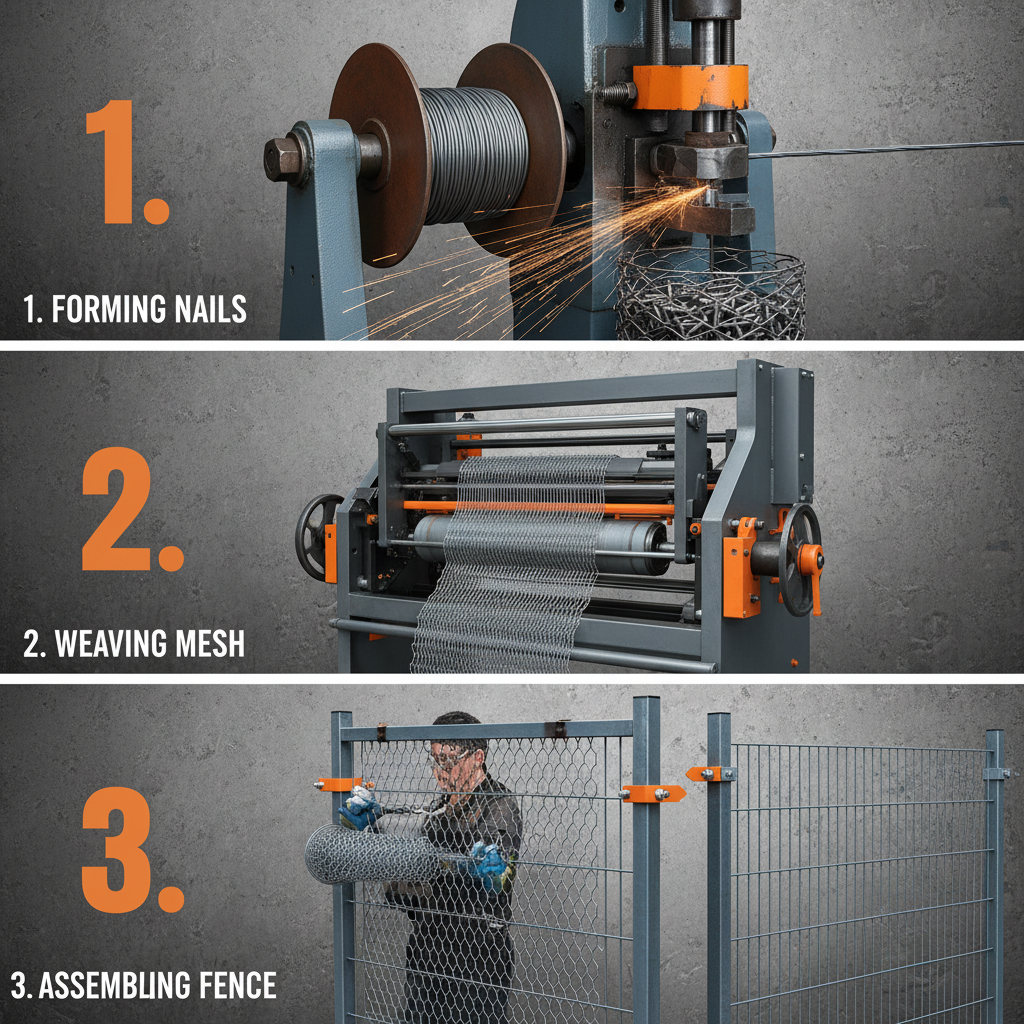
Simply put, iron & wire refers to iron that’s been processed into a thin, flexible strand. The “iron” part usually refers to steel, which is iron alloyed with carbon and other elements to enhance its properties. The “wire” part is created through a process called drawing, where the metal is pulled through a series of dies to reduce its diameter. It's a surprisingly old technology, dating back centuries, but it's been continually refined and improved.
What’s important to understand is that there’s a huge range of iron & wire types, each with specific properties and applications. From low-carbon steel wire for general use to high-carbon steel wire for springs and cables, the composition and processing methods determine the final characteristics. Choosing the right wire for the job is essential. You wouldn't use fencing wire to build a suspension bridge, and you wouldn't use bridge cable to build a fence! It's about understanding the material's limitations and utilizing its strengths.
This seemingly basic material is vital to modern industry and, increasingly, humanitarian needs. The ability to quickly and efficiently produce durable, versatile iron & wire makes it ideal for a wide range of applications, especially in situations where rapid deployment and resilience are paramount.
Core Characteristics of Iron & Wire
Let's break down what makes iron & wire so valuable. First, there's Tensile Strength. The ability to withstand pulling forces without breaking is critical for applications like cables, suspension bridges, and high-security fencing. The higher the tensile strength, the more load the wire can bear. Then we have Ductility. This refers to the wire's ability to be drawn into thin strands without fracturing. It's essential for the manufacturing process.
Corrosion Resistance is another key factor. Iron, in its pure form, rusts easily. That's why we often use steel, which is more resistant, or apply coatings like galvanization (zinc coating) or epoxy to protect the wire from the elements. And finally, Electrical Conductivity is vital for electrical wiring and grounding applications. Copper wire is often preferred for its superior conductivity, but steel wire can be used in certain situations.
Beyond these core properties, we also consider Weldability – how easily the wire can be joined to other materials – and Formability – how easily it can be bent and shaped. These factors influence the manufacturing processes and the final product design. It’s always a trade-off. Boosting one property often comes at the expense of another.
Practical Applications Across Industries
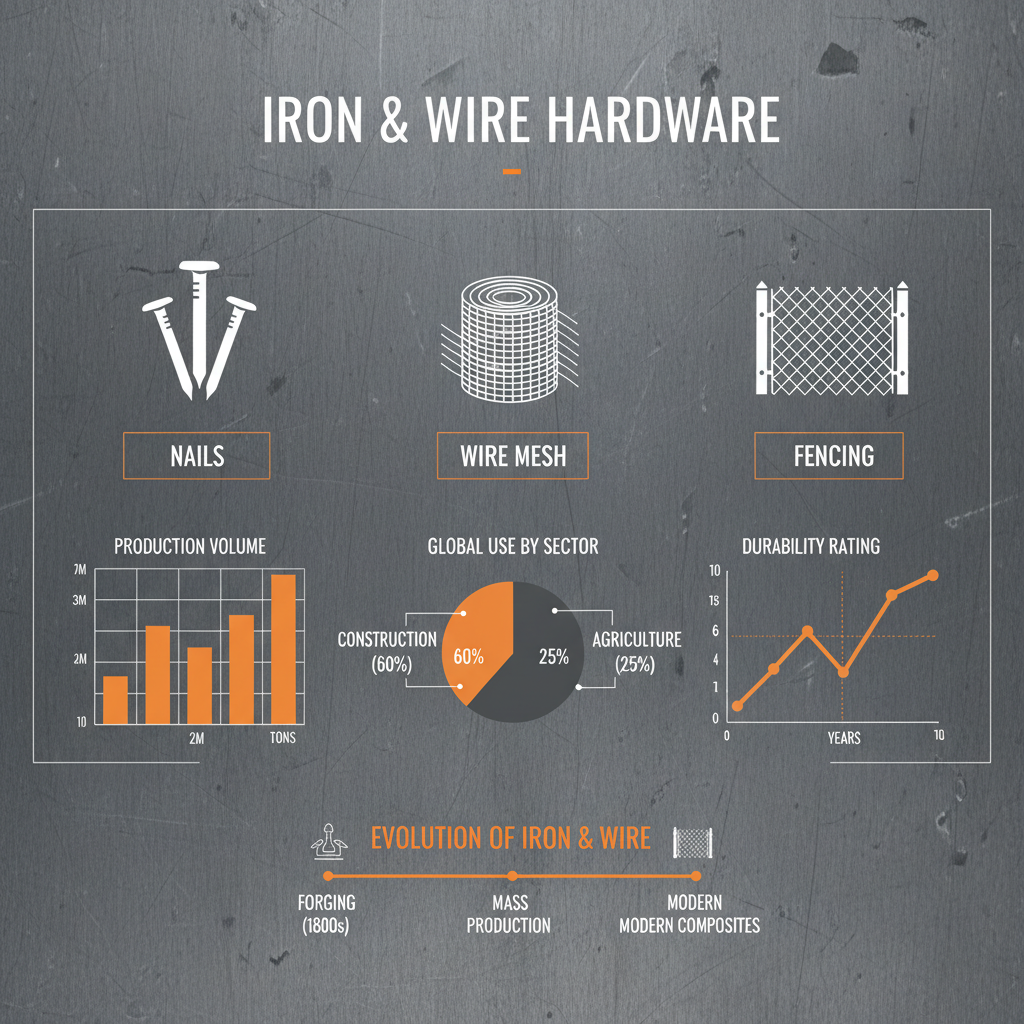
You name an industry, and iron & wire is probably playing a role. In Construction, it’s rebar in concrete, reinforcing mesh, and tie wire. In Automotive, it’s used in tires, springs, and various structural components. The Electrical industry relies on it for power transmission and distribution. Agriculture uses it for fencing, netting, and support structures.
Even in seemingly unrelated fields, iron & wire is essential. In Packaging, it’s used for binding and securing goods. In Medical, it's found in surgical instruments and implants (often stainless steel wire). And in the Energy sector, it's used in wind turbines and power grids. It’s a truly ubiquitous material.
Iron & Wire Application by Sector
Global Impact and Use Cases
In post-disaster relief operations, iron & wire fencing provides immediate perimeter security for refugee camps and temporary shelters. It’s quick to deploy and relatively inexpensive, offering a crucial sense of safety and order in chaotic situations. Similarly, in remote industrial zones, particularly in developing countries, iron & wire is fundamental for constructing basic infrastructure like workshops, storage facilities, and protective barriers.
We see significant demand in rapidly urbanizing areas of Asia and Africa, where large-scale infrastructure projects require massive amounts of rebar and wire mesh. In Europe and North America, the focus is often on specialized applications – high-strength cables for bridges, corrosion-resistant wire for marine environments, and advanced wire materials for aerospace and automotive industries. The applications are diverse, and the demand is constantly evolving.
Long-Term Value & Advantages
The most obvious benefit is Cost-Effectiveness. Iron & wire is comparatively inexpensive, making it accessible for a wide range of projects. But beyond cost, there's Durability – when properly maintained, iron & wire structures can last for decades. This reduces the need for frequent replacements and lowers lifecycle costs. And then there's Recyclability. Steel is one of the most recycled materials on the planet, reducing environmental impact and conserving resources.
There’s a human element here too. Reliable infrastructure built with iron & wire contributes to community safety, economic stability, and overall quality of life. When you build something strong and lasting, you’re building trust. And finally, there's the Reliability. When you specify a certain grade of steel wire, you know what you're getting. It's a predictable material, and that predictability is incredibly valuable on a construction site.
Future Trends & Innovations in Iron & Wire
We're seeing exciting developments in high-strength steel alloys, offering increased durability and reduced weight. Self-healing coatings are also on the horizon – materials that can repair minor corrosion damage, extending the lifespan of structures. And the integration of digital technologies, like sensors embedded within wire ropes, is enabling real-time monitoring of stress and strain, allowing for predictive maintenance.
Sustainability is a major driver of innovation. Researchers are exploring ways to reduce the carbon footprint of steel production, utilizing alternative energy sources and developing more efficient manufacturing processes. The push for a circular economy also means a greater emphasis on recycling and reusing iron & wire materials. It’s not just about making stronger wire; it’s about making it responsibly.
Another area of growth is in smart infrastructure – using iron & wire in conjunction with sensors and data analytics to create more efficient and resilient systems. Think of smart bridges that monitor their own structural health or power grids that automatically adjust to changing demand. The possibilities are endless.
Summary of Challenges and Potential Solutions Related to Iron & Wire
| Challenge |
Impact on Iron & Wire Application |
Potential Solution |
Implementation Level |
| Corrosion |
Reduced structural integrity, increased maintenance costs |
Advanced coatings (galvanization, epoxy), cathodic protection |
Medium |
| Sustainability of Production |
High carbon footprint, resource depletion |
Increased use of recycled steel, alternative energy sources |
High |
| Quality Control |
Risk of substandard materials, structural failures |
Stringent testing and certification standards, traceability systems |
Medium |
| Supply Chain Disruptions |
Material shortages, project delays |
Diversification of suppliers, strategic stockpiling |
Low |
| Lack of Skilled Labor |
Poor installation quality, increased risk of failures |
Investment in training programs, apprenticeship schemes |
Medium |
| Cost Fluctuations |
Budget overruns, project feasibility concerns |
Long-term supply contracts, hedging strategies |
Low |
FAQS
Galvanized steel wire is coated with zinc to provide corrosion resistance, making it a cost-effective option for many outdoor applications. Stainless steel wire, however, contains chromium which creates a self-repairing oxide layer, offering superior corrosion resistance, especially in harsh environments. Stainless steel is more expensive but lasts longer and requires less maintenance. Choosing between the two depends on the specific application and budget.
Carbon content is a crucial factor in determining the hardness, strength, and ductility of steel wire. Higher carbon content generally increases hardness and tensile strength but reduces ductility and weldability. Lower carbon content results in increased ductility and better weldability but lower strength. The optimal carbon content depends on the intended application. High-carbon steel is used for springs and high-strength cables, while low-carbon steel is suitable for general purpose wiring.
Steel production is energy-intensive and generates significant carbon emissions. However, the industry is making strides towards sustainability through increased recycling of steel scrap, using alternative energy sources, and developing more efficient manufacturing processes. Choosing recycled steel wire can significantly reduce the environmental footprint. Furthermore, the durability of steel wire reduces the need for frequent replacements, minimizing resource consumption.
Always purchase from reputable suppliers who provide certifications and test reports verifying the wire's properties and compliance with industry standards. Look for certifications like ISO 9001. Inspect the wire for any visible defects, such as corrosion, cracks, or inconsistencies in diameter. If possible, request a sample for testing before placing a large order. Proper quality control is paramount to ensure the safety and reliability of your projects.
Iron & wire plays a crucial role in renewable energy. In wind turbines, it’s used for the cables that transmit power and the structural components that support the blades. Solar panel mounting structures often utilize steel wire for support and security. Additionally, steel wire is used in the construction of hydroelectric dams and geothermal power plants. As renewable energy technologies expand, the demand for durable and reliable steel wire will continue to grow.
Always wear appropriate personal protective equipment (PPE), including gloves, safety glasses, and steel-toe boots when handling iron & wire. Be mindful of sharp edges and potential for cuts. Avoid bending or twisting wire in a way that could cause it to snap back. When cutting wire, use appropriate tools and techniques to prevent flying fragments. Proper training and adherence to safety guidelines are essential to prevent injuries.
Conclusion
From the foundations of our cities to the smallest components of our everyday devices, iron & wire remains an indispensable material. Its combination of strength, durability, versatility, and cost-effectiveness makes it a cornerstone of modern civilization. Understanding its properties, applications, and the evolving landscape of sustainable production is crucial for engineers, construction professionals, and anyone involved in building a resilient and sustainable future.
Looking ahead, continued innovation in materials science, manufacturing processes, and digital technologies will unlock even greater potential for iron & wire. By embracing sustainability, prioritizing quality, and investing in skilled labor, we can ensure that this foundational material continues to serve us well for generations to come. To learn more about how we can help with your iron & wire needs, visit our website: iron & wire.