You know, after running around construction sites all year, the biggest thing I’ve noticed lately is everyone’s chasing strength. Higher tensile strength, higher yield strength… it’s all anyone talks about. But to be honest, strength isn’t everything. It’s about the right strength for the job. Too strong, and you’re just adding cost and making it harder to work with. I've seen projects stall because they over-engineered something simple.
What gets me is how many designs fall into the trap of trying to be too clever. They’ll come up with some fancy new joint or connection, claiming it’s more efficient, only to find out it's a nightmare to assemble in the field. The guys on site don’t want clever, they want reliable. They want something they can quickly and easily put together, even in the pouring rain. And let me tell you, rain happens. A lot.
We primarily work with galvanized iron wire for construction, mostly SAE 1008. It's not glamorous stuff, smells faintly of zinc when you're handling it – a metallic, slightly sweet smell, almost like pennies. You can feel the coating, a bit rough under your fingers, especially on the older coils. It’s tougher than stainless, surprisingly, and holds up better to the constant bending and twisting it takes. You can also get it in PVC coated options, but honestly, those can get sticky in the heat.
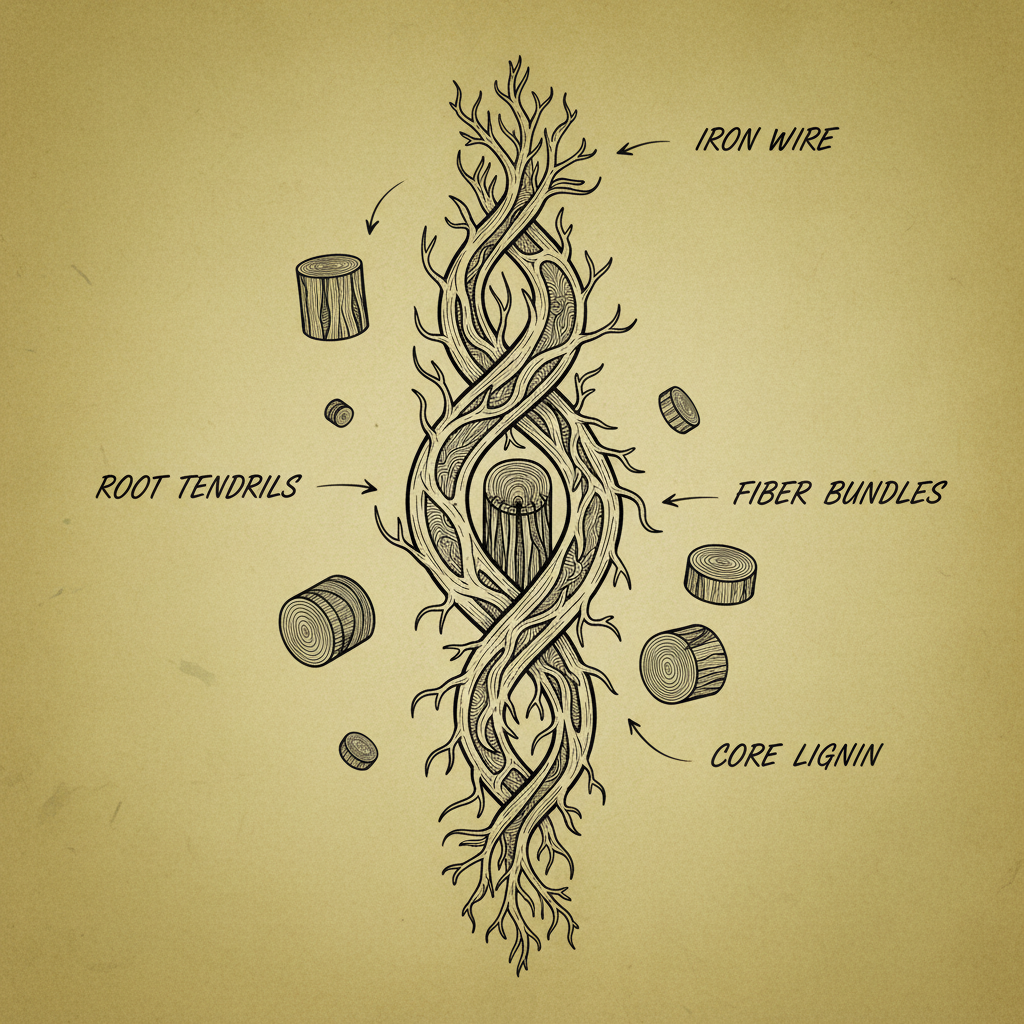
Have you noticed this obsession with prefabrication? It's booming, everyone wants everything modular. Which is great, in theory. But I encountered this at a factory last time, a real mess. They were using fancy, high-tolerance wire components in a pre-fab wall panel system… and the guys installing it couldn't get the panels to align properly because the site wasn't perfectly level! It’s a classic. You spend all this money on precision manufacturing, and it gets undone by a slightly uneven concrete slab.
Strangely, the trend also pushes towards lighter materials, which often means thinner wire gauges. That's fine for some applications, but it requires a really careful understanding of load distribution and potential stress points. Too many people rely on calculations instead of practical experience. And calculations, well, they can only get you so far.
On coastal sites, corrosion is a major issue. We recommend applying a sacrificial coating – something like zinc-rich paint – after installation. Regular inspections are crucial, too. And avoid direct contact with saltwater. Proper storage, keeping the coils covered and off the ground, will also extend their lifespan significantly. It’s a pain, but it’s worth it to avoid costly replacements later on. Honestly, sometimes upgrading to a stainless steel alloy is worth the upfront cost.
For heavily loaded structures, 1.6mm gauge wire is generally the standard. Don't skimp on this. You need something that can withstand the stresses during concrete pouring and curing. Using a thinner gauge could lead to failure, which is a disaster. Always check local building codes and engineering specifications, of course, but 1.6mm is a good starting point. And make sure you're overlapping the ties correctly - that's just as important as the gauge.
Generally, no. Iron wire isn’t typically suitable for electrical grounding due to its relatively high resistance and susceptibility to corrosion. You need a conductor with much lower resistance and better corrosion resistance, like copper or a copper-clad steel wire. Using iron wire for grounding could create a safety hazard and compromise the effectiveness of the grounding system. Don't even try it. It's not worth the risk.
That’s a tough one. We always try to educate the customer about the potential risks. We’ll explain why the bend might compromise the wire’s strength or durability and offer alternative solutions. If they insist, we’ll document their request in writing, clearly stating that we’re not responsible for any failures resulting from the custom bend. Sometimes, you just have to let them learn the hard way, unfortunately. But it's always better to try and steer them in the right direction first.
Iron wire itself doesn't really "expire," but the galvanized coating can degrade over time, especially if exposed to moisture. Ideally, store it in a dry, covered area, away from direct sunlight and corrosive substances. Palletizing the coils and wrapping them in plastic can help protect them from the elements. As long as it’s stored properly, it should remain usable for several years. However, always inspect it for signs of rust or damage before use.
That’s a question we're getting more and more. There aren't many direct replacements that offer the same combination of strength, cost, and versatility. Stainless steel is an option, but it's significantly more expensive and has its own environmental impacts from the production process. Some companies are exploring bio-based coatings for iron wire to reduce its environmental footprint, but those are still in the early stages of development. Recycling is currently the best eco-friendly approach.
So, there you have it. Iron wire for construction isn’t the most glamorous material, but it’s a workhorse. It's reliable, versatile, and affordable. It won't win any awards for innovation, but it gets the job done, day in and day out. It’s easy to overlook, but it’s absolutely critical to countless construction projects around the world.
Looking ahead, I think the focus will be on improving corrosion resistance and finding more sustainable manufacturing processes. And, of course, continuing to listen to the guys on the ground – they’re the ones who will ultimately tell us what works and what doesn’t. Ultimately, whether this thing works or not, the worker will know the moment he tightens the screw.