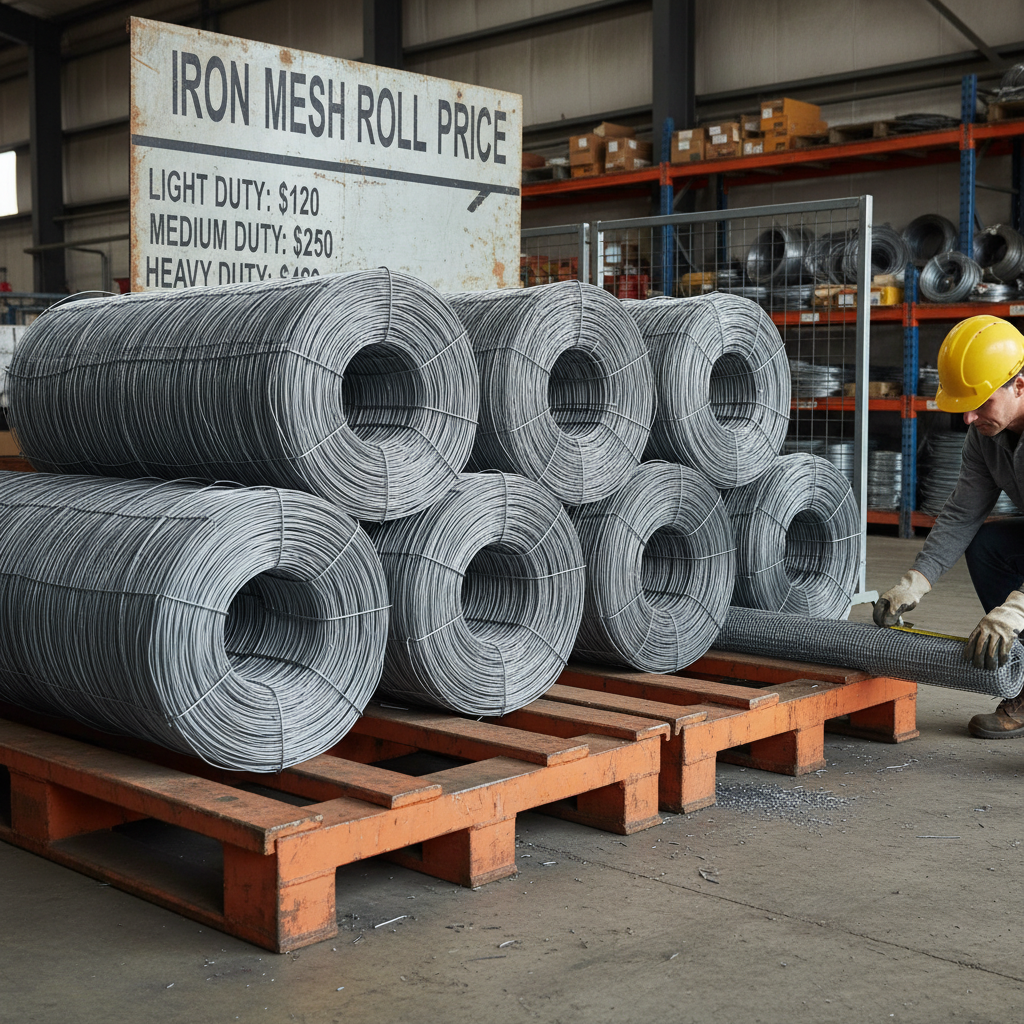
The price of iron wire is a crucial economic indicator with widespread implications for construction, manufacturing, agriculture, and infrastructure development globally. Understanding fluctuations in the price of iron wire allows businesses and governments to make informed decisions regarding resource allocation, project budgeting, and economic planning. This knowledge directly impacts the affordability of essential goods and services, influencing economic growth and stability.
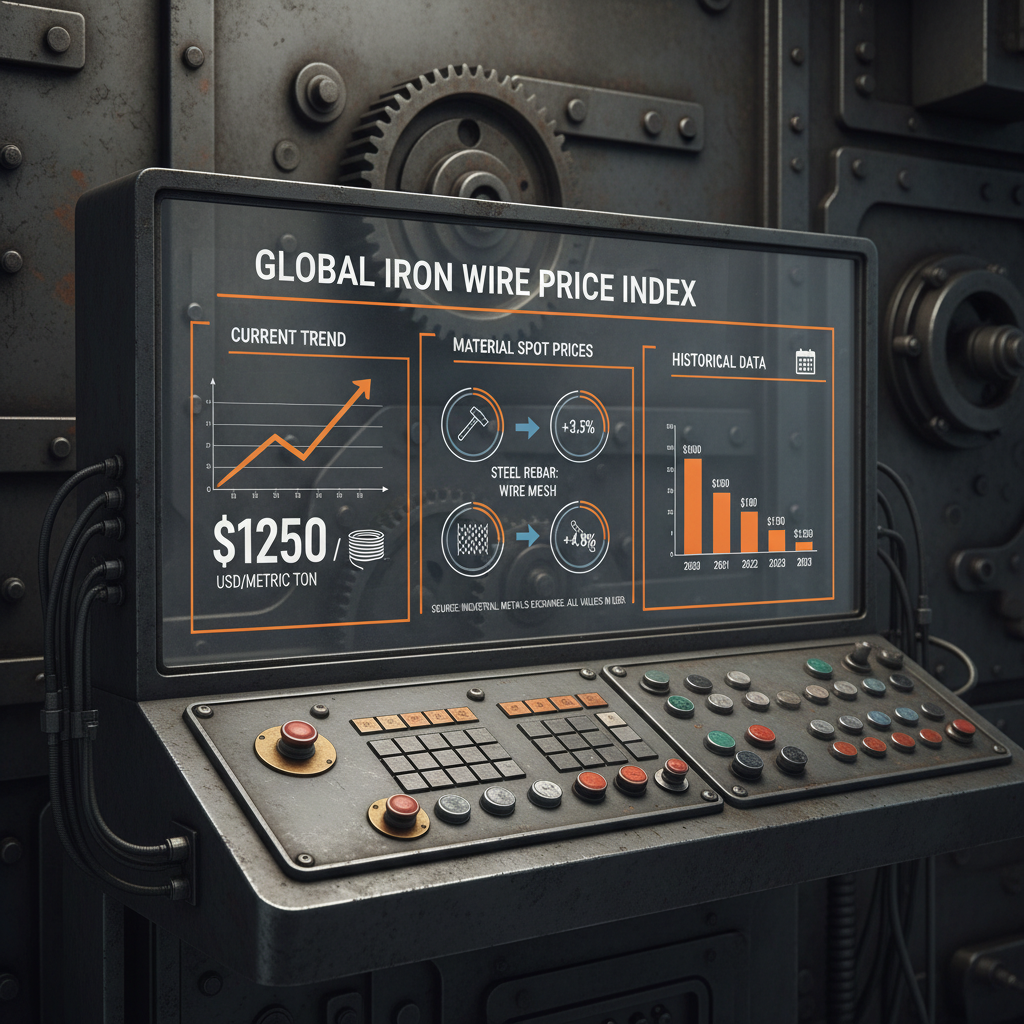
Globally, the demand for iron wire is consistently high, driven by rapid urbanization and infrastructure projects in developing nations. However, the price of iron wire is susceptible to various factors, including raw material costs (iron ore, coal), energy prices, transportation costs, geopolitical events, and global economic conditions. Monitoring these factors and their impact on the price of iron wire is essential for risk management and strategic planning.
Ultimately, a thorough grasp of the drivers behind the price of iron wire empowers stakeholders to navigate market volatility, optimize supply chains, and maintain competitive advantages. It’s a foundational element for building a resilient and sustainable economy.
The Importance of Understanding price of iron wire
Understanding the dynamics of the price of iron wire isn’t simply about tracking a commodity’s cost; it's about comprehending a fundamental building block of modern infrastructure and manufacturing. From reinforcing concrete in buildings to forming essential components in machinery, iron wire's price reverberates across numerous industries. Keeping abreast of this price is paramount for efficient project planning and cost management.
Fluctuations in the price of iron wire can significantly impact profitability for businesses reliant on it. Proactive monitoring allows companies to anticipate potential cost increases and adjust their procurement strategies accordingly, ensuring financial stability and maintaining a competitive edge. price of iron wire trends are therefore essential for informed decision making.
Global Market Dynamics of price of iron wire
The global market for iron wire is characterized by complex supply chains and fluctuating demand patterns. Major iron ore producing countries like Australia, Brazil, and India heavily influence the price. Global economic slowdowns or surges in demand from rapidly industrializing nations like China can dramatically affect pricing. Understanding these geopolitical factors is crucial for accurately predicting price trends.
Trade policies, tariffs, and currency exchange rates also play a significant role. Changes in these factors can create both opportunities and risks for businesses involved in the import and export of iron wire. Monitoring these variables is essential for effective international trade management.
Furthermore, logistical challenges, such as shipping costs and port congestion, can contribute to price volatility. Disruptions in global supply chains, as demonstrated during recent global events, can quickly escalate the price of iron wire and highlight the need for resilient sourcing strategies.
Defining the price of iron wire
The price of iron wire refers to the cost per unit weight (typically per ton or kilogram) of various types of iron wire, categorized by diameter, tensile strength, and coating (e.g., galvanized, black annealed). It represents the market value determined by supply and demand forces, influenced by the factors described above.
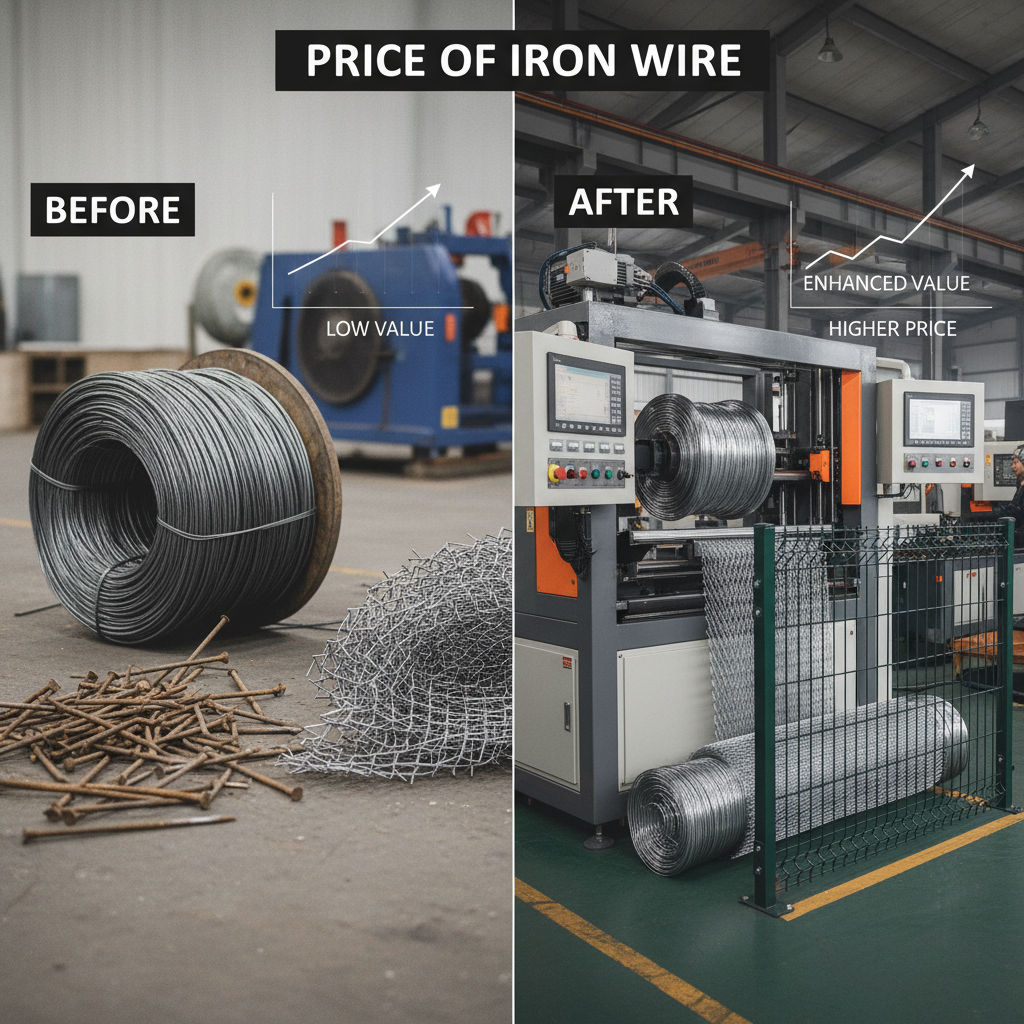
This price isn’t static; it’s a dynamic value that changes constantly based on real-time market conditions. Different grades of iron wire command different prices, with higher tensile strength and specialized coatings generally incurring a premium. The price of iron wire is therefore a composite value reflecting both the raw material cost and the processing involved.
Understanding the price of iron wire is fundamental to countless industries, from construction where it's a vital reinforcing element, to agriculture, where it's used in fencing and tying, to manufacturing, where it’s integral to countless product components. Tracking the price of iron wire offers insights into overall economic health and potential shifts in market dynamics.
Core Factors Influencing price of iron wire
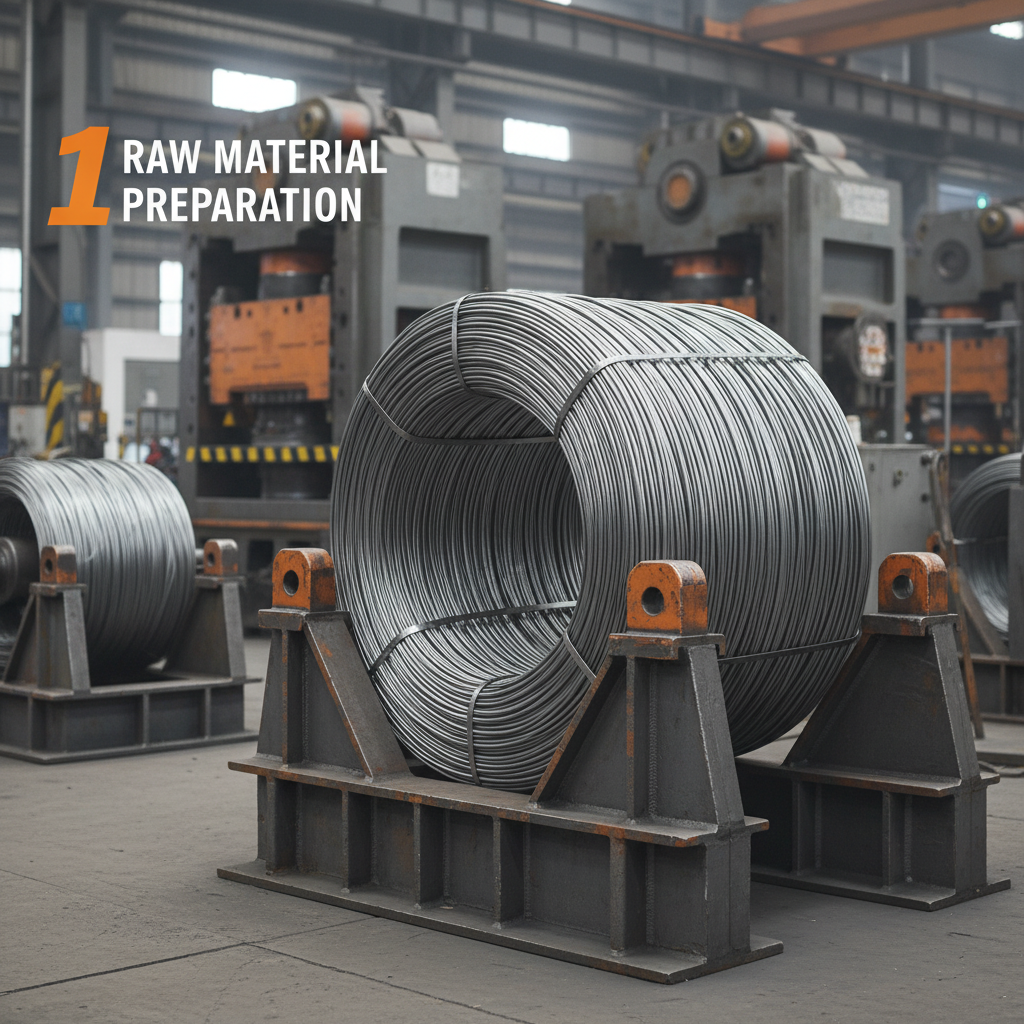
Several key factors directly influence the price of iron wire. Raw material costs, particularly iron ore and coal, represent a significant portion of the production cost. Fluctuations in these commodity prices have a direct and immediate impact on the price of iron wire.
Energy costs are also critical. The production of iron wire is energy-intensive, and rising energy prices contribute to higher production costs, which are passed on to consumers. Transportation costs, including freight rates and fuel prices, also play a substantial role, particularly for international trade.
price of iron wire Influence Factors
Applications of price of iron wire Globally
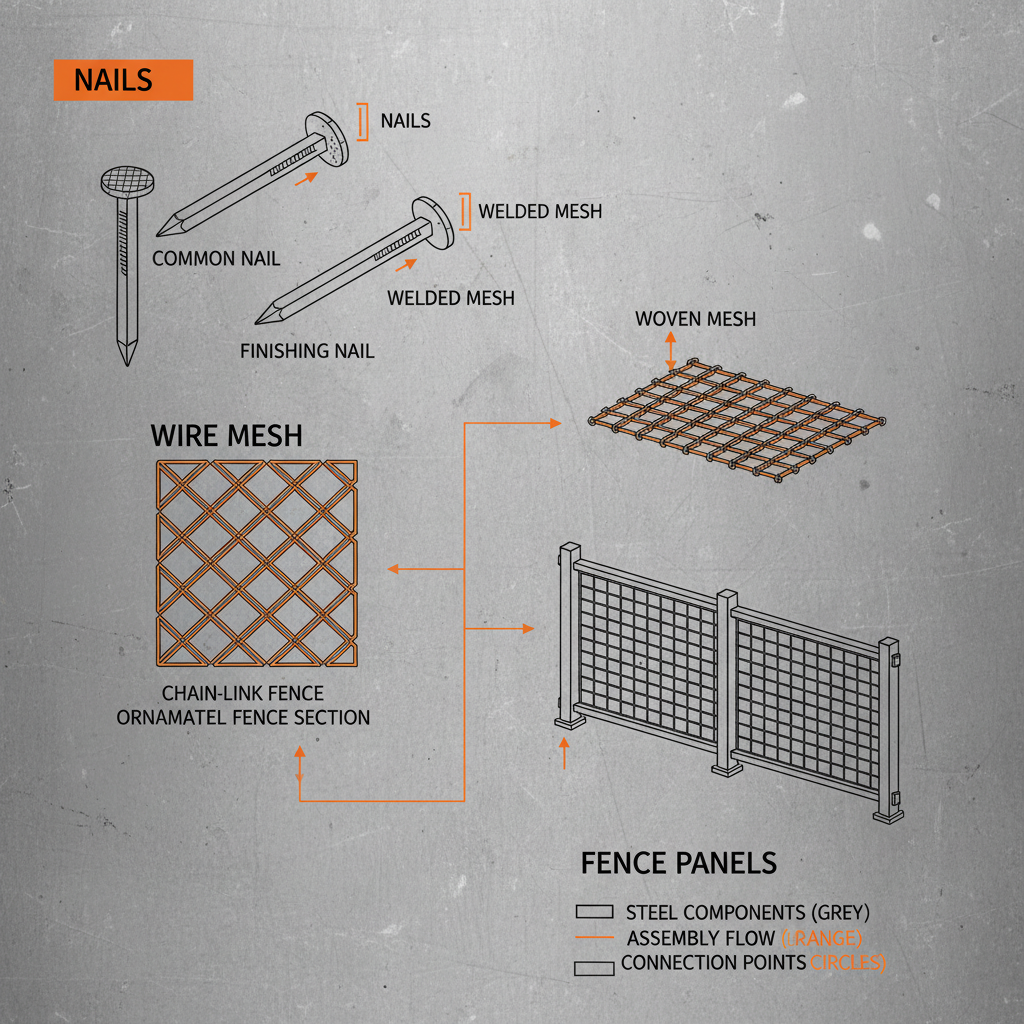
The diverse applications of iron wire drive global demand and influence the price. Construction remains a dominant sector, utilizing iron wire for reinforcing concrete, creating mesh for structural integrity, and in pre-stressed concrete applications. The demand from infrastructure projects in developing economies is particularly strong.
Agriculture also heavily relies on iron wire for fencing, tying plants, and securing crops. Manufacturing industries employ iron wire in the production of springs, fasteners, cables, and various other components. In post-disaster relief operations, iron wire can be crucial for creating temporary shelters and securing damaged structures. price of iron wire is influenced by these diverse demands.
The Long-Term Value Proposition of Monitoring price of iron wire
Monitoring the price of iron wire is not just about short-term cost savings; it’s about building long-term resilience. By understanding price trends, businesses can negotiate better contracts with suppliers, optimize inventory management, and mitigate risks associated with price volatility.
Proactive monitoring also facilitates more accurate project budgeting and financial forecasting, leading to more sustainable and profitable outcomes. For governments, tracking the price of iron wire is essential for infrastructure planning and ensuring the affordability of public projects.
Ultimately, a strategic approach to monitoring the price of iron wire translates into a competitive advantage, enabling organizations to navigate market fluctuations and capitalize on opportunities.
Future Trends and Challenges in price of iron wire
The future of the price of iron wire will be shaped by several emerging trends. Increased focus on sustainability and the development of eco-friendly steel production methods may influence costs. The rise of automation and digital technologies in manufacturing could lead to efficiency gains and potentially lower prices.
However, geopolitical instability and trade disputes pose ongoing challenges. Supply chain disruptions and potential resource scarcity could also drive prices upward. The demand for high-strength, specialized iron wire products is also expected to increase, potentially creating price differentiation.
Adapting to these trends requires a proactive approach, including diversifying sourcing strategies, investing in technology, and closely monitoring global economic and political developments.
Analysis of Factors Impacting price of iron wire
| Factor Category |
Impact Level (1-10) |
Trend Direction (Increasing/Decreasing) |
Mitigation Strategies |
| Raw Material Costs |
9 |
Increasing |
Long-term contracts, diversified sourcing |
| Energy Prices |
8 |
Increasing |
Energy efficiency investments, renewable energy sourcing |
| Transportation Costs |
7 |
Fluctuating |
Optimized logistics, regional sourcing |
| Geopolitical Risk |
8 |
Unpredictable |
Diversified supply chains, political risk insurance |
| Global Demand |
7 |
Increasing |
Capacity planning, market research |
| Technological Advancements |
6 |
Decreasing (Long-term) |
Investment in automation, process optimization |
FAQS
Several key factors contribute to price fluctuations, including the cost of raw materials like iron ore and coal, energy prices, transportation costs, global supply and demand dynamics, and geopolitical events. These factors often interact, creating complex price movements. Monitoring these variables provides valuable insight into potential price trends. Understanding these fluctuations is vital for effective budget planning.
Businesses can mitigate risks through several strategies, including establishing long-term contracts with suppliers to secure favorable pricing, diversifying their sourcing options to reduce reliance on a single vendor, implementing robust inventory management practices, and utilizing hedging instruments to protect against price increases. Careful market analysis is also crucial.
Global economic conditions have a significant impact. Economic growth typically drives up demand for iron wire, leading to higher prices. Conversely, economic slowdowns can reduce demand and push prices down. Trade policies, currency exchange rates, and geopolitical instability also play a crucial role in shaping the price of iron wire within the global economy.
Sustainable steel production methods, while environmentally beneficial, can initially lead to higher production costs due to investments in new technologies and processes. However, as these technologies mature and become more efficient, they may eventually contribute to lower costs and a more stable price of iron wire. Consumer demand for sustainable products can also influence pricing.
Reliable sources include industry-specific publications, commodity market reports, government statistical agencies, and financial news websites. Subscribing to market research services and consulting with industry experts can also provide valuable insights into price trends and forecasts. price of iron wire information can be located here.
Transportation costs are a significant component of the final price, especially for international buyers. Factors like fuel prices, shipping rates, port congestion, and distance from the supplier all contribute to the overall transportation cost. These costs are often passed on to the buyer, impacting the final price per unit of iron wire. Optimizing logistics can help minimize this impact.
Conclusion
In conclusion, understanding the price of iron wire is fundamental to navigating a complex global market. Its price is influenced by a confluence of factors, from raw material costs and energy prices to geopolitical events and technological advancements. Proactive monitoring, strategic sourcing, and a commitment to sustainability are essential for mitigating risks and capitalizing on opportunities.
Looking ahead, embracing data-driven insights and adapting to evolving market dynamics will be crucial for success. By prioritizing transparency, collaboration, and responsible sourcing practices, businesses and governments can ensure a stable and resilient supply of this critical material. Visit our website: www.ironwirefactory.com for more information.